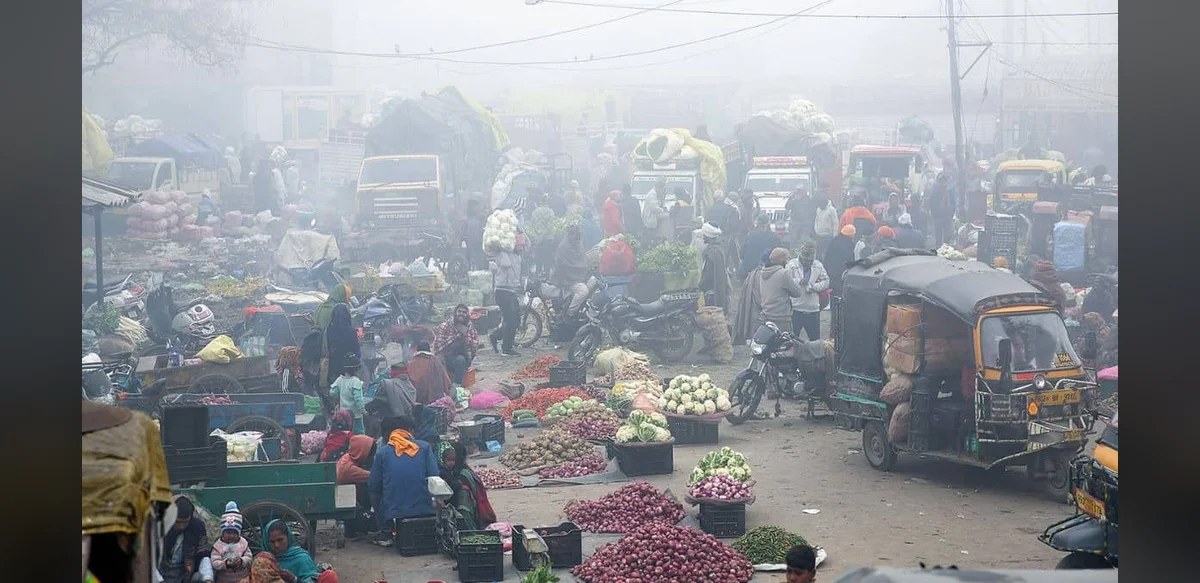
A report from the State Bank of India states that below-normal rainfall does not automatically push food prices higher. The effect on inflation hinges more on how rain is spread across regions and months than on the total shortfall. Historical patterns show no consistent link between weak rainfall and sharp food price jumps. Even distribution can sustain farm output despite an overall deficit. The year 2018 serves as an example where below-average rain produced no notable rise in food inflation due to improved regional spread. Analysis of data from 2000 to 2026 found that only one El Nino year, 2009, saw food inflation reach 13.1 percent in the June-September period. That increase stemmed from multiple factors including a large minimum support price hike, pay commission effects, and a major loan waiver rather than rainfall alone. Other deficit years recorded moderate inflation while some wetter years saw higher prices, confirming that rain totals by themselves do not dictate food price trends. The report concludes that current rainfall effects on inflation should stay limited, with monthly and state-level distribution mattering more than the aggregate deficit.