


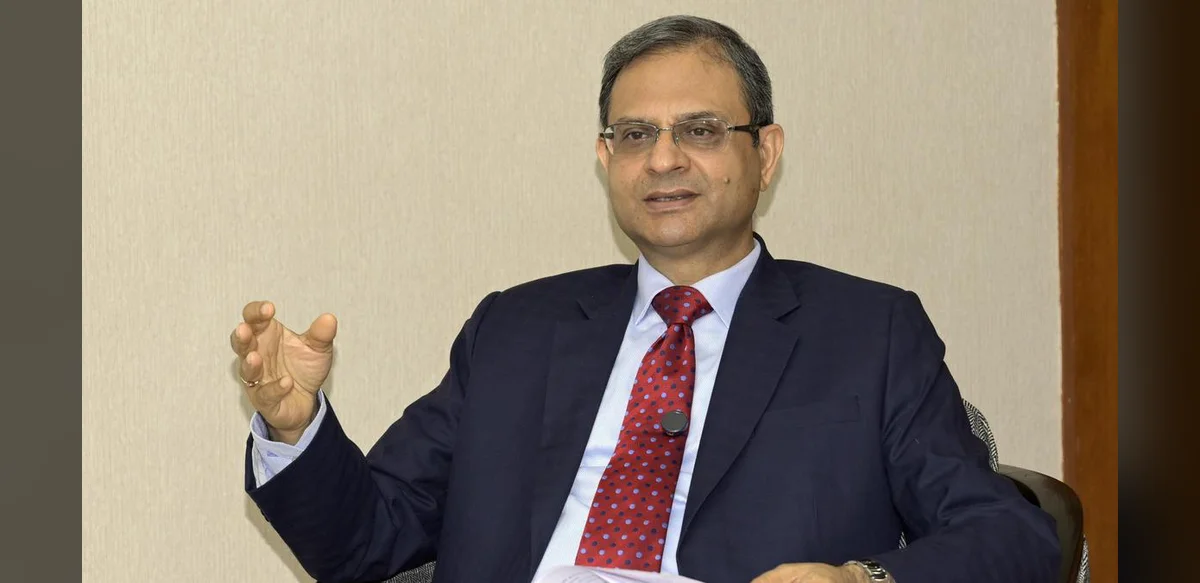
The Reserve Bank of India’s steps to draw foreign funds have drawn a positive response from investors. Banks have raised close to $32 billion, mainly via Foreign Currency Non-Resident (Bank) deposits, while foreign investors have put more than $7 billion into government securities since the June policy steps, according to RBI Governor Sanjay Malhotra.
In an interview, Mr. Malhotra rejected suggestions that the inflows simply recycle existing deposits. He noted that the central bank has sufficient instruments to handle any liquidity effects. The inflows have bolstered India’s external position during periods of geopolitical tension and unsteady global capital movements.
Addressing worries about hedging costs for new FCNR(B) deposits and concessional swaps for external commercial borrowings by public sector firms, the Governor said the RBI has reliable safeguards. Any dollars received are placed in foreign assets, removing associated risks.
He framed the measures against difficult global conditions for emerging markets and said they should further support India’s balance of payments and currency stability.
Mr. Malhotra reassured markets that recent rupee weakness does not signal problems in economic fundamentals. Pressure on the currency stems mainly from geopolitical strains, a stronger dollar and wider volatility in emerging markets.
The RBI does not aim for any particular exchange rate level. Interventions occur only to limit excessive swings. The rupee is viewed as undervalued on both nominal and real effective terms.
He pointed to a current account surplus in April-May, strong services exports, steady remittances, rising merchandise exports and better foreign direct investment as signs of external sector strength.
On reserve management, the RBI follows principles of safety, liquidity and returns, with periodic reviews of deployment.
Regarding monetary policy, inflation control stays the top priority while growth risks are also considered. The Monetary Policy Committee will remain data-driven in balancing growth and inflation.
Although inflation has risen above the 4 percent midpoint of the target range, officials see no entrenched broad-based price pressures yet.
The current policy rate matches existing growth-inflation conditions and global uncertainties. The neutral stance allows flexibility to hold or adjust rates based on domestic data.
Strong credit growth does not point to overheating, as credit creation supports deposits and banks maintain solid capital, liquidity and funding ratios.
The RBI’s regulatory framework is described as strong, with rising foreign interest in banks and non-bank finance companies reflecting confidence in the financial system.

