

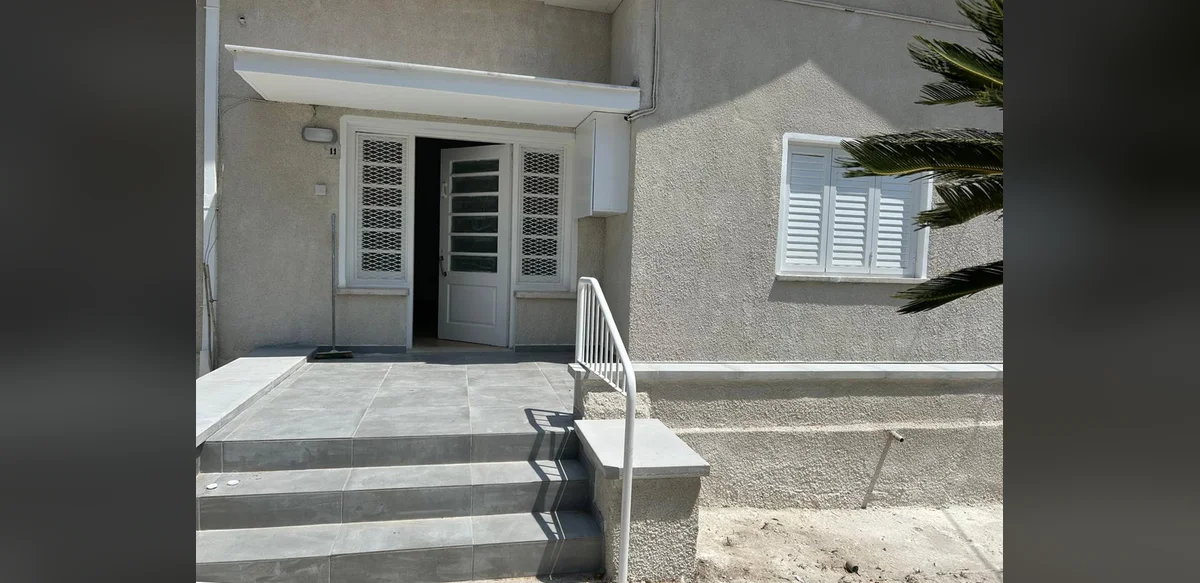
It remains uncommon for a government initiative to receive unqualified praise, making any critique of such programs feel somewhat unwarranted. Nevertheless, Interior Minister Constantinos Ioannou acknowledged in February that the Renovate-Rent housing program has not met anticipated levels of participation. The scheme aims to encourage property owners to refurbish vacant buildings and then lease them at controlled rates, addressing both housing shortages and urban decay in Cyprus.
Officials designed the program to stimulate investment in older structures while providing affordable rental options for residents. Early projections suggested strong uptake from landlords seeking financial support for renovations. In practice, however, applications have fallen short, prompting discussions about possible adjustments to eligibility rules or incentive structures.
Housing advocates note that similar efforts in other European nations have achieved better results when paired with streamlined approval processes. Cyprus faces unique challenges, including fragmented property ownership and lengthy bureaucratic procedures that may deter potential participants. The minister’s comments highlighted these obstacles without assigning blame to any single factor.
Data released alongside the February remarks indicated fewer than expected completed projects since the scheme’s launch. Supporters argue that the core concept remains sound and that modest tweaks could improve performance. Critics, meanwhile, question whether the financial benefits offered to owners sufficiently offset renovation costs and ongoing maintenance responsibilities.
Local real estate professionals have observed limited awareness among property holders, suggesting that broader outreach might increase engagement. Municipal authorities in several districts have begun informal information sessions to explain application requirements. These efforts aim to clarify how the program integrates with existing building regulations and tax provisions.
The Renovate-Rent initiative forms part of a wider strategy to manage urban growth and preserve architectural heritage. By focusing on existing stock rather than new construction, planners hope to reduce pressure on greenfield sites. Early evaluations suggest environmental advantages, though quantitative assessments remain preliminary.
Stakeholders continue to monitor progress closely. Future reports will track whether revised guidelines produce measurable increases in participation. For now, the program stands as an example of well-intentioned policy encountering practical hurdles common to many public housing measures.
Further analysis will examine regional variations in uptake, comparing urban centers with smaller communities. Such comparisons may reveal localized barriers or successful adaptations worth replicating elsewhere. Officials have expressed willingness to incorporate feedback from both applicants and non-participants.
Overall, the Renovate-Rent scheme illustrates the difficulties inherent in translating policy goals into widespread action. Its continued evolution will depend on sustained dialogue between government bodies, property owners, and prospective tenants. Observers expect additional updates in the coming months as implementation data accumulates.


