

Maternal healthcare indicators in India have improved steadily in recent years. Hospital deliveries have risen, and more women now receive postnatal check-ups within two days of birth. C-section rates have also increased. These patterns persisted in the latest National Family Health Survey (NFHS-6, 2023–24), with institutional deliveries at 90.6 percent and postnatal care at 82.8 percent.
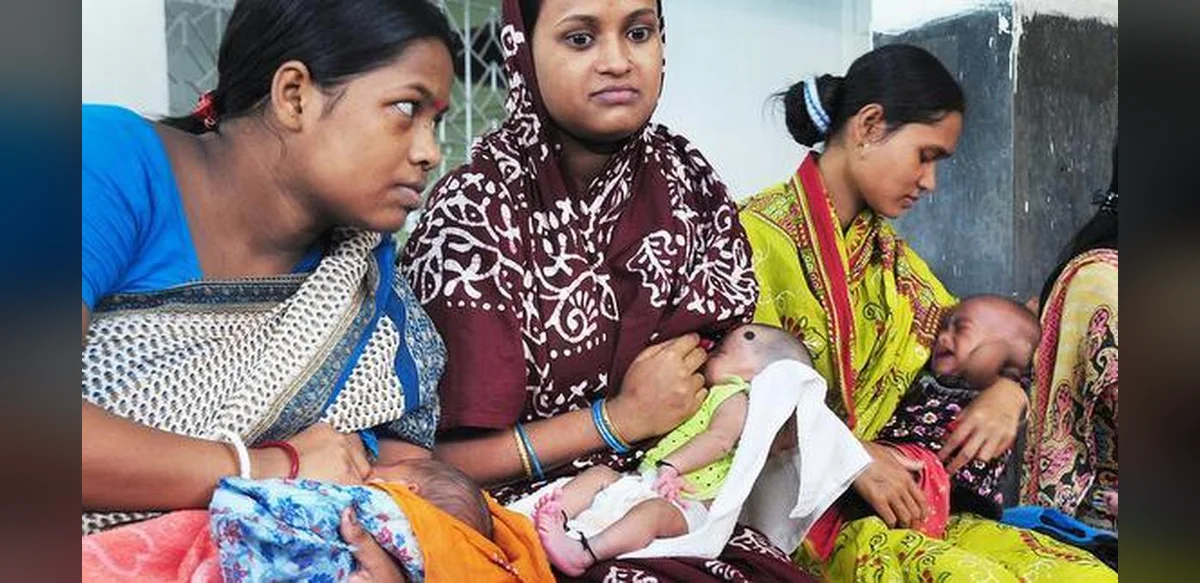
Exclusive breastfeeding rates, however, moved differently. The share of infants breastfed exclusively for the first six months rose from 54.9 percent in NFHS-4 to 63.7 percent in NFHS-5, then fell to 55.8 percent in NFHS-6. This reversal returns the figure close to levels seen nearly a decade earlier.
State-level data were reviewed to understand the gap between rising institutional deliveries and falling exclusive breastfeeding.
Ruling out a survey artefact
One possible cause was the survey process itself. NFHS-5 fieldwork was split by the pandemic. If rates appeared higher due to timing, that could explain the later drop. Data did not support this view. Gains between NFHS-4 and NFHS-5 were larger in states affected by pandemic delays, contrary to expectations.
State variations
Declines were not uniform. Largest drops occurred in Haryana, Uttar Pradesh, Madhya Pradesh, Rajasthan and Delhi. These states account for many births nationwide, so their changes heavily influenced the national total. States with the biggest earlier gains saw the steepest later losses, indicating fragile progress rather than a single national event.
The path ahead
Causality cannot be confirmed from available data, yet several factors merit attention. Post-pandemic support services may have lagged. Lactation counselling and early skin-to-skin contact could have remained limited. Economic reopening may have prompted earlier returns to work for women without maternity protections. National C-section rates also rose sharply from 17.2 percent to 27.2 percent, a shift previously linked to delayed breastfeeding initiation.
What the numbers cannot reveal
Aggregated state data prevent identification of exact drivers or explanations for states that diverged from the pattern. Unit-level NFHS-6 data, due later, will be needed for deeper analysis. The figures do show that India’s recent gains in exclusive breastfeeding have proven vulnerable to reversal.


