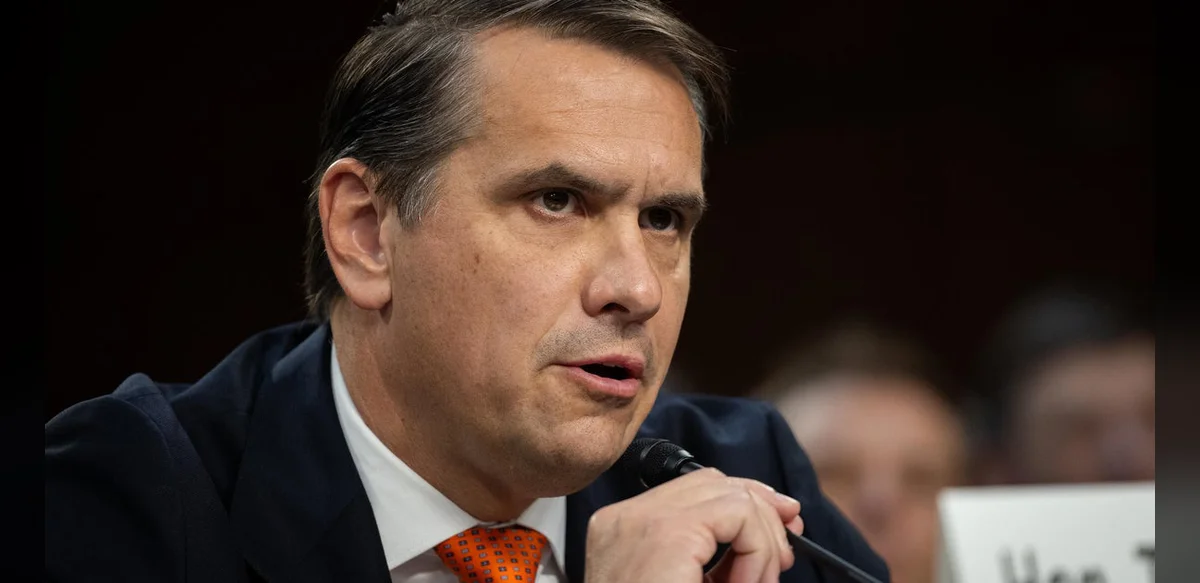
Following pressure from Republican senators who indicated they would obstruct the confirmation process for the acting attorney general unless the fund received formal written elimination, the directive to rescind the anti-weaponization fund was released. This action addressed concerns raised during the confirmation discussions. The sequence of events shows how legislative leverage influenced the timing of the administrative decision. The acting attorney general responded by issuing the order after the senators expressed their conditions clearly. Such interactions between the executive branch and lawmakers often shape policy outcomes in this manner. The written rescission fulfilled the requirement set forth to allow the confirmation proceedings to advance without further delay. Observers noted that the move came directly in response to the stated intentions of the two senators involved. The fund in question had been a point of contention leading up to the order. By rescinding it formally, the acting attorney general met the conditions outlined. This development illustrates the checks and balances at play in federal appointments. The order itself was straightforward in its language and purpose. No additional details beyond the rescission were included in the directive. The entire episode highlights the role of Senate confirmation in executive branch staffing. Lawmakers used their authority to ensure certain prior initiatives were reversed before approving the nomination. The acting attorney general complied with the request to facilitate the process. Similar situations have occurred in past administrations where conditions were attached to confirmations. The focus remained solely on the written elimination of the fund. All parties involved reached an understanding through this exchange. The order marked the conclusion of the specific dispute over the fund. Confirmation hearings could now proceed under the new terms. This type of negotiation is common in the lead-up to high-level appointments. The emphasis was placed on documented action rather than verbal assurances. The senators had specified the need for a written order to address their objections. Compliance with that specification resolved the immediate impasse. The broader context involves ongoing debates about the scope of certain government funds. However, the order addressed only the immediate request without expanding on other matters. The acting attorney general prioritized moving the confirmation forward by taking the required step. This approach ensured that the process did not stall indefinitely. The events unfolded over a short period leading to the issuance of the order. Public records reflect the sequence of communications between the relevant offices. The outcome demonstrates how targeted conditions can prompt swift administrative responses. In summary, the directive was a direct result of the senators’ stated position on the confirmation. The acting attorney general acted accordingly to satisfy those conditions. Future nominations may encounter comparable dynamics depending on the issues at stake. The written nature of the order provided the necessary documentation for all sides. This case serves as an example of interbranch coordination in practice. The fund rescission stood as the key element that allowed progress. No further actions were detailed in the order beyond that specific measure. The episode concluded with the formal issuance of the directive as requested.