


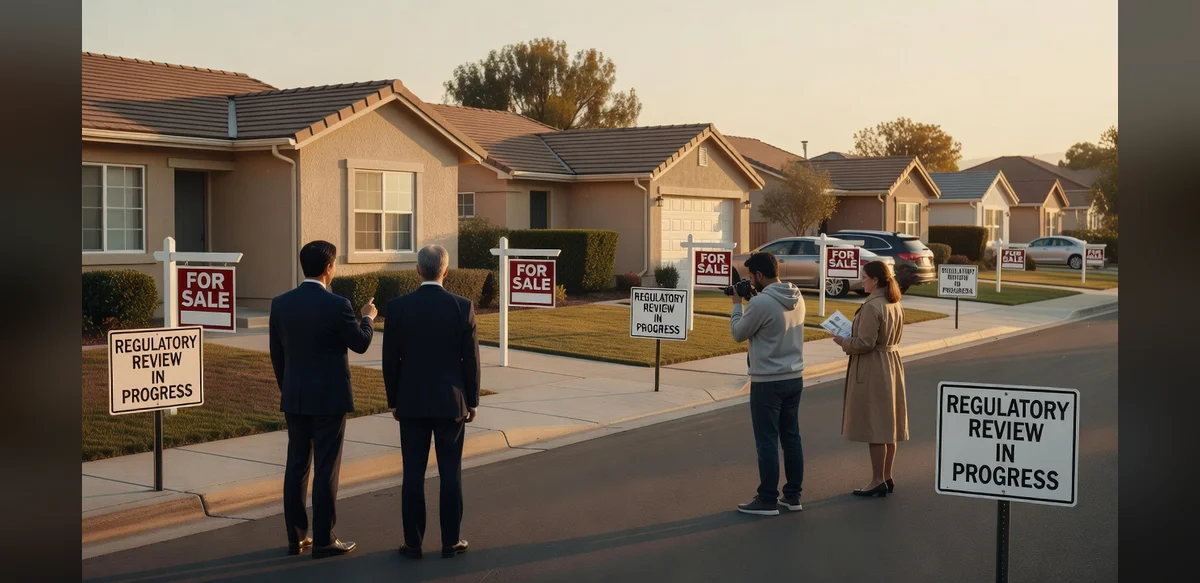
Recent trends indicate that individuals from China are purchasing fewer homes in the United States. This shift coincides with an increase in regulations at the state level that limit foreign ownership of real estate. Several states have introduced measures aimed at restricting purchases by buyers from certain countries, including China. These policies often focus on agricultural land or properties near sensitive locations but have broader effects on the residential market.
Data from real estate tracking firms shows a notable decline in transactions involving Chinese nationals over the past year. In prior periods, Chinese buyers represented one of the largest groups of foreign investors in American housing. Factors contributing to the slowdown include higher interest rates, economic conditions in China, and the new legal barriers. Analysts note that the combination of these elements has led to reduced activity.
States such as Florida and Texas have enacted laws requiring additional scrutiny or outright prohibitions for buyers linked to specific nations. Proponents of these rules argue they protect national security and local housing availability. Critics contend that the measures may discourage legitimate investment and could face legal challenges on grounds of fairness.
The impact extends beyond individual transactions. Local real estate markets in areas popular with international buyers have seen slower sales and adjustments in pricing expectations. Real estate agents report that some clients are exploring alternative locations or delaying decisions until regulatory clarity improves.
Broader economic observers point to the role of foreign direct investment in the housing sector. While overall foreign purchases have fluctuated, the specific drop from Chinese sources stands out. Government statistics on cross-border capital flows may reflect this pattern in coming reports.
Market participants continue to monitor developments as additional states consider similar legislation. The situation highlights tensions between open investment policies and domestic regulatory priorities. Future trends will depend on enforcement of existing rules and any federal-level responses.
Industry groups have called for balanced approaches that address security concerns without broadly disrupting market dynamics. Educational efforts aimed at clarifying the scope of restrictions are underway in affected regions. Overall, the pullback underscores how policy changes can influence buyer behavior in global real estate markets.

