

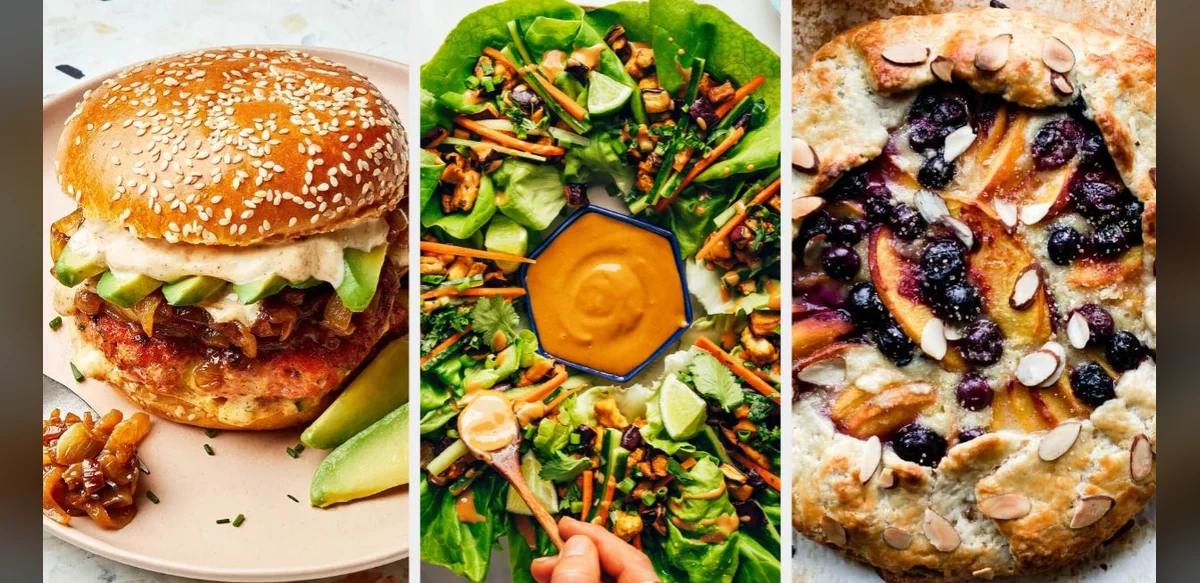
As the calendar turns toward September, markets across many regions continue to offer an abundance of produce that thrives in the final weeks of summer. Tomatoes, in particular, reach peak sweetness during this period, prompting cooks to incorporate them into a variety of preparations before cooler weather arrives.
Home cooks and professional chefs alike are turning to simple yet flavorful combinations that celebrate these ingredients without requiring complex techniques. Salads featuring sliced tomatoes paired with fresh herbs remain popular, allowing the natural taste to stand out. Light dressings made from olive oil and vinegar enhance rather than mask the produce.
Beyond tomatoes, corn and zucchini also feature prominently in end-of-season menus. Grilled corn on the cob, brushed with minimal seasoning, provides a straightforward side that pairs well with many main courses. Zucchini can be spiralized into noodles or sliced for quick sautés that retain a crisp texture.
Recipes circulating in culinary circles emphasize minimal waste. Stems and leaves from herbs are often repurposed into pestos or broths, extending the utility of each purchase. This approach aligns with broader interests in sustainable kitchen practices.
One common suggestion involves roasting batches of tomatoes with garlic and onions to create versatile sauces. These can be stored for later use in pasta dishes or as bases for soups. The roasting process concentrates flavors, yielding a rich result suitable for various applications.
Another approach focuses on raw preparations. Chilled tomato soups, blended with cucumbers and peppers, offer refreshing options during warm afternoons. Such dishes require little cooking time and preserve the fresh qualities of the ingredients.
For those seeking heartier fare, stuffed vegetables provide satisfying meals. Bell peppers or large tomatoes filled with grains and additional produce create balanced plates that highlight seasonal availability.
Baking enthusiasts have adapted recipes to include late summer items as well. Savory tarts with tomato slices and cheese toppings deliver both visual appeal and taste. These can be prepared in advance for gatherings or weeknight dinners.
Preservation methods gain attention as the season wanes. Canning tomato products or freezing portions of prepared dishes allows enjoyment throughout the coming months. Proper techniques ensure safety and maintain quality over time.
Nutritionists note that these vegetables supply essential vitamins and antioxidants. Regular inclusion in meals supports overall dietary balance, particularly when combined with other fresh components.
Community cooking classes have begun offering sessions centered on these themes. Participants learn knife skills and flavor pairing basics tailored to current market offerings. Such programs foster greater confidence in handling abundant produce.
Restaurants in urban areas are updating menus accordingly. Specials featuring tomato-centric appetizers or corn-based sides appear frequently, drawing diners interested in timely selections.
Overall, the focus remains on straightforward methods that respect the quality of the ingredients. By prioritizing freshness and simplicity, individuals can create meals that capture the essence of the closing summer period.
Additional ideas include combining multiple vegetables in one-pan roasts for easy cleanup. Eggplant, peppers, and onions mingle well under high heat, developing caramelized edges that add depth.
Beverage pairings also evolve with the produce. Infused waters with cucumber and tomato slices provide a subtle accompaniment to meals without overpowering them.
As availability shifts, monitoring local sources helps maintain access to optimal items. Farmers markets often feature the ripest selections during these final weeks.
This period encourages experimentation within familiar boundaries. Small adjustments to existing recipes can incorporate new elements effectively.
Ultimately, the emphasis lies in timely use to avoid spoilage and maximize enjoyment. Thoughtful planning around these ingredients supports both culinary creativity and practical meal management.


