

Ayurveda has long viewed sleep as essential. Ancient texts by Acharya Charaka list Nidra with diet and balanced living as one of three supports for health. Neglecting it can lead to discomfort, weakness, and reduced vitality, according to classical sources. This perspective predates modern ideas of sleep routines and shaped detailed guidance on evening practices.
Herbal teas and traditional herbs have been used to encourage calm and steady sleep patterns. Common ingredients include chamomile, ashwagandha, brahmi, shankhpushpi, and jatamansi. These may ease mental tension when combined with basic habits such as consistent bedtimes, reduced caffeine, and limited screen use.
Sleep ranks as a central element in Ayurvedic thought, vital for strength, mental clarity, and recovery. Certain teas such as chamomile, lavender, lemon balm, tulsi, rose, fennel, and peppermint can form part of a soothing pre-bed ritual. Herbs including ashwagandha, brahmi, shankhpushpi, jatamansi, tagara, and nutmeg have been employed to aid relaxation.
Individual body types influence sleep concerns. Vata-related issues may feature restless thoughts, Pitta types can show heat and agitation, while Kapha patterns sometimes involve excess sleep or sluggishness. Consistent habits tend to matter more than single remedies. These include fixed sleep hours, lighter evening meals, no screens, meditation, and scalp massage alongside suitable herbs.
A warm drink at night can signal the body to slow down and move away from stimulation. Herbs like ashwagandha, brahmi, and jatamansi work best inside a broader routine of modest meals, dim surroundings, and mental withdrawal. Evidence on these ingredients remains mixed. Chamomile shows modest support in small trials for easing sleep quality, though results on insomnia vary. Ashwagandha has attracted recent attention for possible stress reduction and slight sleep gains, yet larger studies are required.
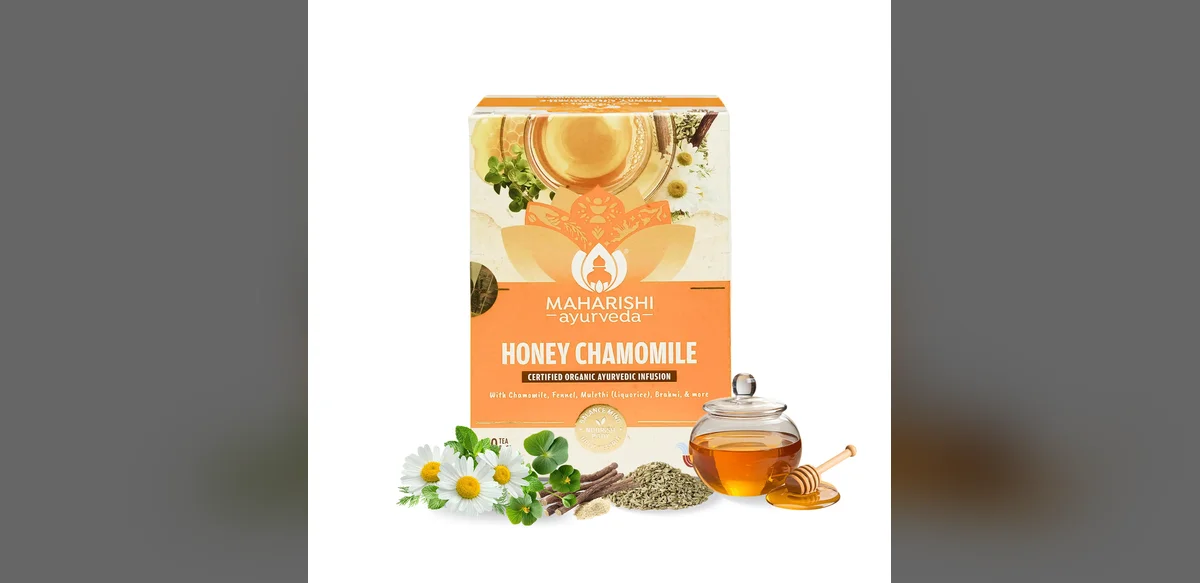
Chamomile tea is widely chosen for its mild calming properties. Reviews of limited research note improved sleep in some groups, such as new mothers, though effects may fade over time. Lavender tea has been linked to lower anxiety in older adults. Lemon balm, a mint-family herb, is traditionally used for mood support and occasional insomnia relief. Tulsi serves as an adaptogen for stress management. Rose tea offers a caffeine-free, aromatic option often blended with other calming varieties. Fennel and peppermint mainly aid digestion, which can indirectly support rest.


