

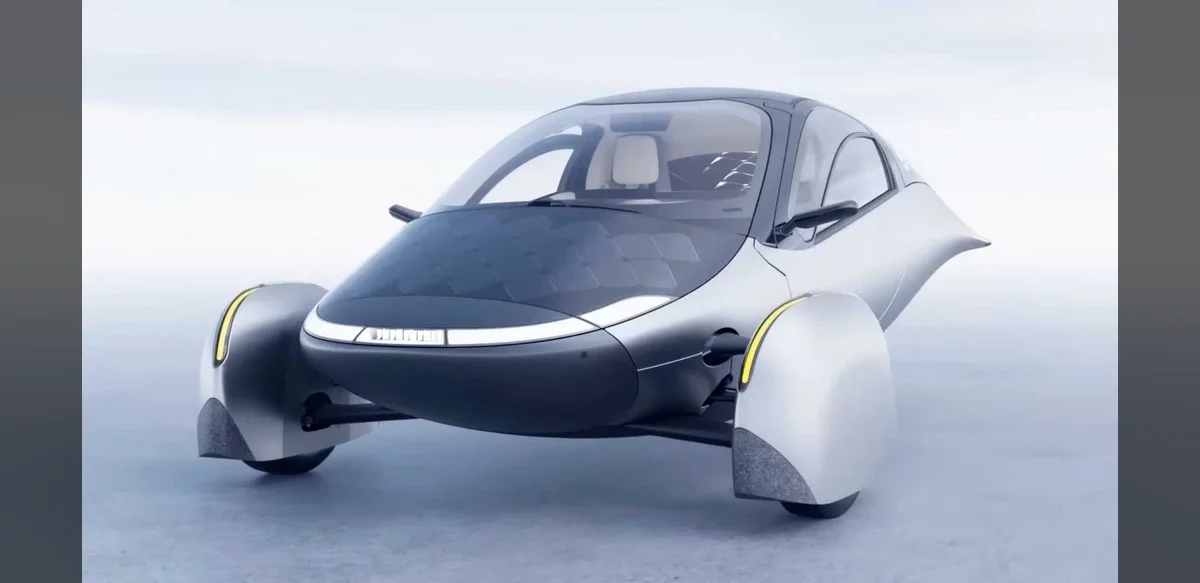
After extended periods of postponement, the company behind a distinctive three-wheeled electric vehicle design has announced steps toward constructing its first customer-ordered units. The initial manufacturing target stands at forty vehicles. This modest quantity represents an early phase in the production schedule.
The limited starting volume underscores the challenges associated with scaling operations for a novel automotive concept. With thousands of advance orders already recorded, the gap between current plans and accumulated interest remains substantial. Observers note that such a small batch will address only a fraction of the waiting list.
Industry analysts have long followed the development timeline of this project. Multiple shifts in schedule have characterized the path from concept to reality. The decision to begin with a restricted output allows for testing of processes and quality controls before any larger commitment.
Stakeholders in the electric vehicle sector often encounter similar hurdles when introducing unconventional designs. Regulatory approvals, supply chain coordination, and engineering refinements can extend timelines considerably. In this instance, the focus on a controlled launch reflects a cautious approach to market entry.
Customer reservations have accumulated over several years, creating significant anticipation. The current production outlook suggests that fulfillment will occur gradually. Early units will likely serve both delivery purposes and further validation of the vehicle under real-world conditions.
Manufacturing experts emphasize the importance of starting small in emerging automotive ventures. This strategy can help identify issues early while building operational experience. However, it also means that broader availability may take additional time beyond the first phase.
The overall electric vehicle market continues to evolve with various players pursuing different strategies. Some prioritize rapid volume increases, while others adopt measured ramps. The approach described here aligns with the latter category, prioritizing precision over speed at the outset.
Future updates on production milestones are expected as the initial units progress through assembly. These developments will provide insight into whether subsequent phases can accelerate to better match reservation levels. For now, the emphasis rests on completing the first forty vehicles successfully.
Public interest in alternative transportation solutions remains high, particularly those incorporating advanced energy features. The vehicle in question incorporates elements designed to reduce reliance on traditional charging infrastructure. Yet the immediate production constraint highlights the practical limits of bringing such innovations to a wide audience quickly.
In summary, the company is moving forward with a deliberately limited build quantity. This step follows years of preparation and delay. While it marks progress, the scale is insufficient to clear the extensive backlog of orders in the near term. Continued monitoring of the situation will reveal how the project advances from this foundational stage.


