


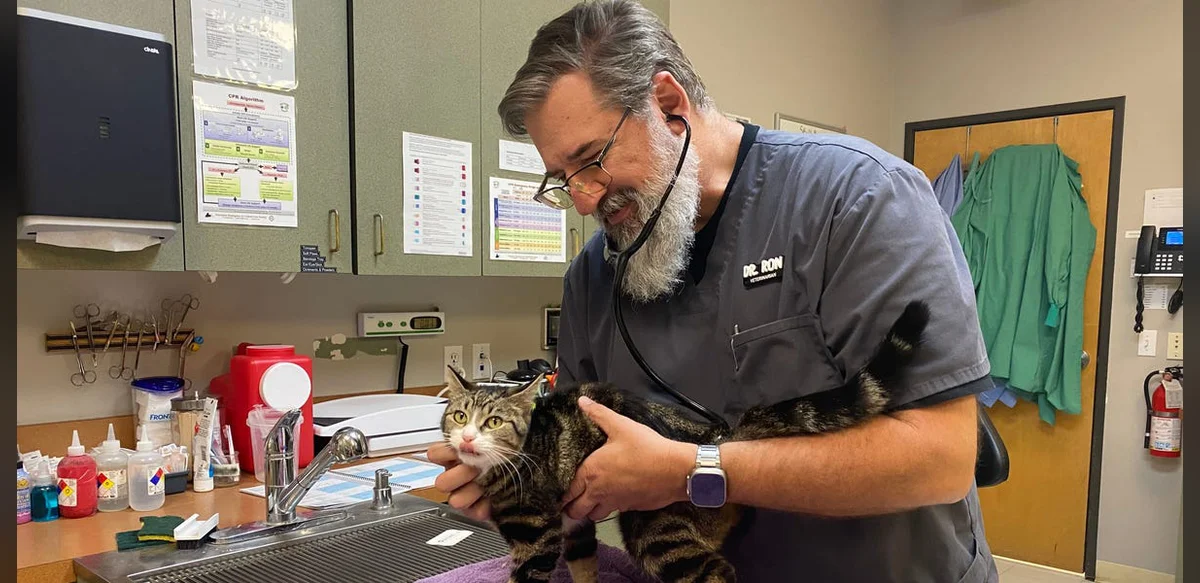
A veterinarian named Ron Titterington recently shared his experience of leaving a management position that compensated him with an annual salary of 150000 dollars. At the age of 57 he chose what he describes as a soft retirement approach. This shift allowed him to step away from administrative duties and return his focus to the practice of veterinary medicine itself. As a result of this change he reports earning approximately twice his previous income while finding greater satisfaction in his daily work.
The decision came after years in a leadership role that involved significant oversight responsibilities. Titterington noted that moving away from management freed up time and energy for direct patient care. This adjustment aligned more closely with his original interest in the field. Colleagues in similar professions have observed that such transitions can sometimes lead to renewed professional engagement without a reduction in financial stability.
Soft retirement in this context refers to a gradual reduction in high-pressure tasks rather than a complete withdrawal from the workforce. For Titterington this meant prioritizing clinical duties over supervisory ones. The outcome included both professional fulfillment and an increase in earnings likely tied to higher productivity in hands-on roles. Observers suggest this model may appeal to experienced professionals seeking balance in later career stages.
Industry discussions around career pivots in healthcare fields often highlight the potential for specialists to increase compensation by concentrating on core skills. Titterington’s case illustrates one example where reducing management involvement coincided with improved financial results. Such stories contribute to broader conversations about work-life adjustments for mid-career and late-career individuals.
The veterinarian emphasized that the move restored his enjoyment of medicine. Administrative burdens had previously overshadowed the aspects of the job he found most rewarding. By refocusing efforts he achieved both personal and economic benefits. This approach underscores how targeted changes in responsibility can influence overall career satisfaction and compensation levels.
Financial planning experts note that transitions like the one described require careful consideration of income streams and skill application. Titterington’s experience demonstrates that stepping back from certain duties does not necessarily equate to lower earnings. Instead it can open pathways to roles that value specialized expertise more directly.
In summary the account provided by Titterington offers insight into alternative retirement strategies. Professionals facing similar crossroads may find value in evaluating how shifts in focus affect both enjoyment and income. His results show that a measured reduction in management duties at age 57 led to doubled earnings and renewed engagement with veterinary practice.

