


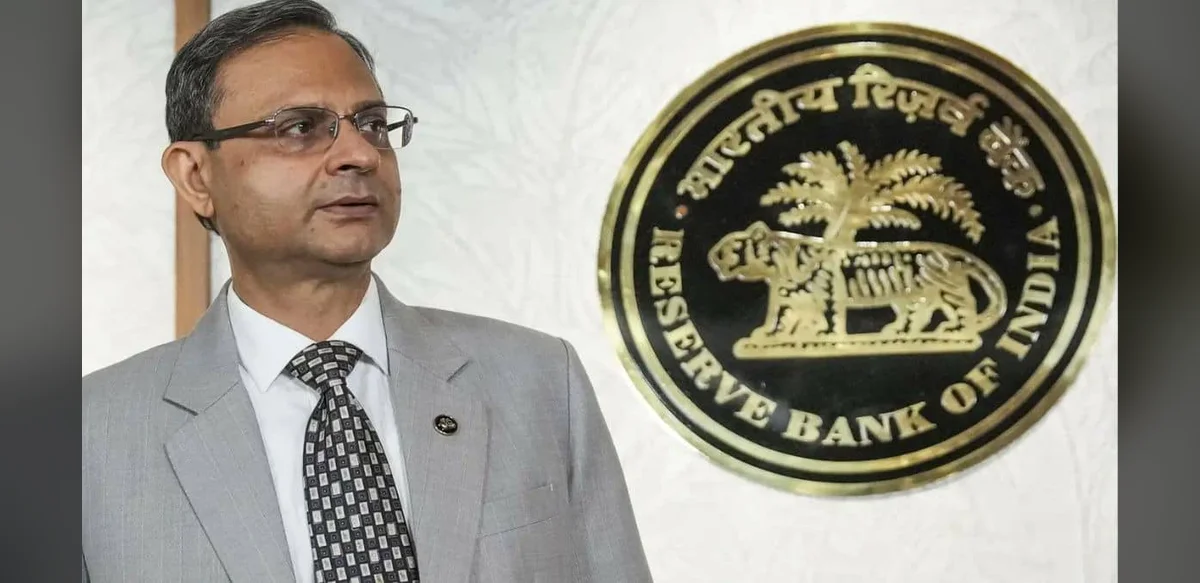
New Delhi: The Reserve Bank of India plans to release the country’s first polymer currency notes at the start of financial year 2028. The initial phase will involve Rs 10 and Rs 20 notes in a limited rollout.
This step represents a significant change in currency handling, focused on increasing note lifespan and boosting overall production capacity.
Following the Monetary Policy Committee meeting, the RBI Governor stated that the initiative is now in the testing phase. Early distribution will target smaller denominations due to their frequent handling and faster wear.
Polymer notes are intended to last two to four times longer than paper versions, based on experience in other nations over three decades. A second goal is to meet rising economic demand for currency.
The RBI will conduct thorough field trials to assess performance across different climates before considering broader use. Expansion depends on pilot results.
The government has cleared production of two billion polymer notes for testing, and the central bank has issued a tender for the required substrate material.
Polymer notes resist moisture, dirt and tearing better than cotton-based paper. They also support advanced security features that hinder counterfeiting.
Several countries including Australia, Canada and the United Kingdom already use polymer currency. India considered the option more than ten years ago but did not proceed past initial trials.

