

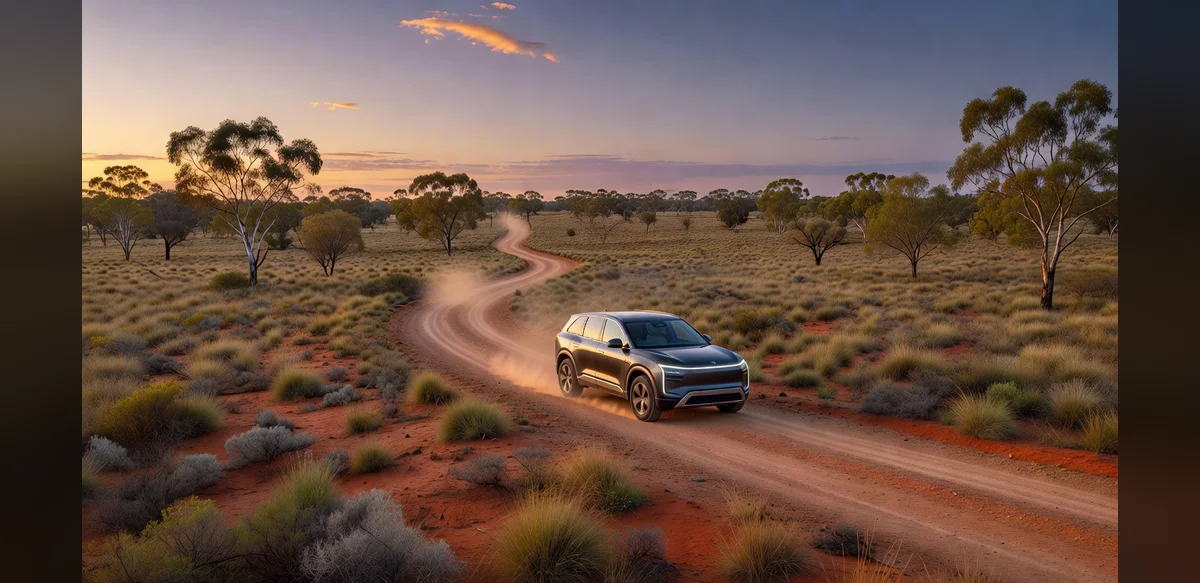
An electric utility vehicle from Ford, scheduled for release around 2027, is positioned to compete in the Australian market at price points similar to those offered by BYD. The model carries the distinctive name Fathom and is expected to address local demand for capable work vehicles that run on battery power.
Australia has long relied on utility vehicles for both commercial tasks and personal use. These utes serve farmers, tradespeople and families who need space for equipment alongside everyday driving. The introduction of an electric option from a well-known manufacturer could broaden choices in this segment.
Pricing alignment with BYD suggests Ford aims to make the Fathom accessible rather than premium. This approach may appeal to buyers who have considered electric alternatives but remained concerned about cost. Market observers note that competitive pricing often influences adoption rates for new powertrains in regional areas.
The name Fathom itself stands out among typical vehicle designations. While unusual, it does not alter the core specifications or intended purpose of the vehicle. Ford has not released extensive technical details yet, leaving room for further announcements closer to launch.
Electric utility vehicles must balance range, payload and charging infrastructure. Australia presents unique challenges in this regard because of long distances between population centers and varying terrain. Manufacturers entering this space typically conduct extensive testing to ensure reliability under local conditions.
Government incentives for electric vehicles continue to evolve across states and territories. These policies can affect purchase decisions for both private and fleet buyers. A model priced competitively could benefit from such support where available.
Ford maintains a significant presence in Australia through its dealer network and local engineering efforts. This infrastructure may support the rollout of the Fathom by providing service capabilities familiar to existing customers.
Competitors in the electric ute space include both established automakers and newer entrants. The arrival of the Fathom adds another option for consumers evaluating battery-powered work vehicles. Differentiation will likely depend on factors such as towing capacity, interior features and software updates over time.
Supply chain considerations for batteries and components remain relevant for any electric vehicle program. Global production volumes and material availability can influence timelines and final pricing. Ford has indicated awareness of these dynamics in its broader electrification strategy.
Public interest in electric utes has grown alongside general awareness of lower operating costs and reduced emissions. Real-world feedback from early adopters in other markets may inform expectations for the Australian version.
The 2027 timeframe allows time for further development and potential adjustments based on regulatory changes or customer input. Ford has not confirmed exact specifications, leaving open questions about battery size, motor output and available configurations.
Overall, the Fathom represents an effort to bring electric capability to a vehicle category central to Australian transport needs. Its success will depend on execution across pricing, performance and support infrastructure.


