

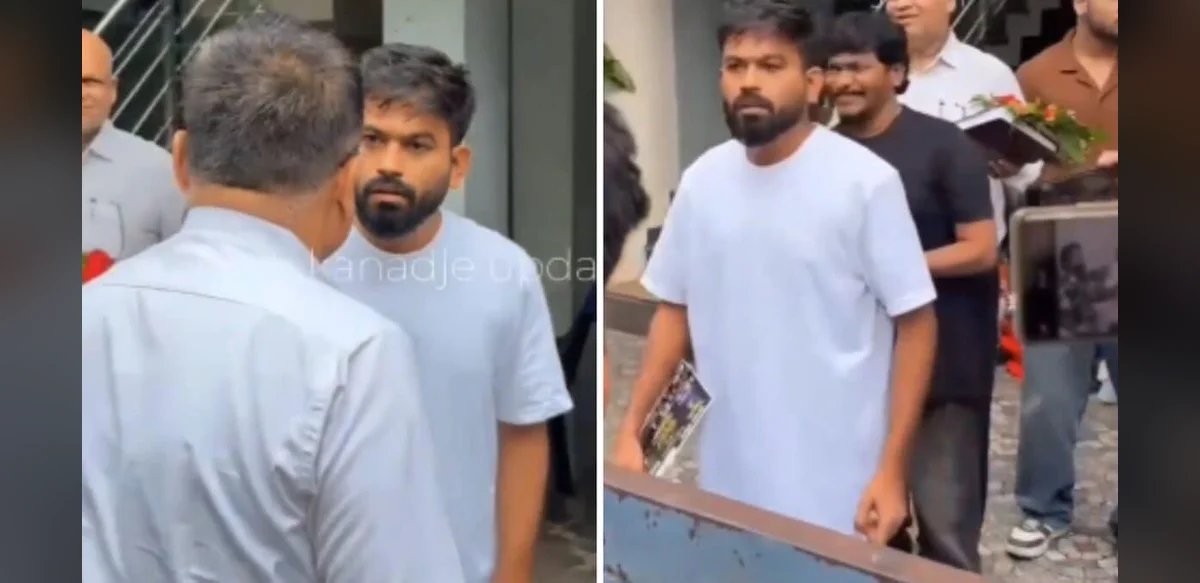
A senior judicial official has publicly stated that a police sub-inspector exceeded his authority by attempting to control who could enter his private residence. The official emphasized that law enforcement personnel possess no legal power to dictate the choice of guests on personal property or to address visitors in an impolite manner. He lodged a formal complaint with the deputy commissioner of police regarding the incident.
The remarks underscore the principle that individuals retain full discretion over their private spaces. According to the official, any attempt by police to restrict access or behave discourteously toward invited persons lacks foundation in law. The complaint highlights concerns about proper conduct during official interactions at a residence.
Details indicate the encounter occurred at the official’s home. The police sub-inspector reportedly questioned or challenged the presence of certain visitors. In response, the official directed the officer to leave the premises. The matter was then escalated through a written complaint to higher police authorities.
No immediate statement has been issued by the police department. Investigations into the sequence of events and any applicable regulations remain pending. The official maintained that such actions by law enforcement must respect boundaries of private property and personal choice.
Observers note that the case raises questions about the limits of police authority when dealing with private citizens at their homes. The official’s position centers on the idea that decisions about meetings and invitations fall solely within the homeowner’s domain. Courtesy toward all parties present was also cited as an expected standard.
The complaint process now moves forward through established channels. Further developments will depend on the response from the deputy commissioner and any internal review that may follow. The official reiterated his stance that no external party holds the right to override personal decisions regarding visitors.
This incident serves as a reminder of the balance between law enforcement duties and individual rights to privacy. The official’s comments focus strictly on the events at his residence and the conduct observed there. Police have not yet provided details or a counter account.
Additional context from the complaint describes the interaction as unwarranted interference. The official expressed that such behavior disrupts the normal exercise of personal freedoms within one’s own property. Emphasis was placed on maintaining respectful dialogue even during official visits.
The situation continues to unfold as authorities consider the submitted complaint. Public attention may grow if more information becomes available through official channels. For now, the core assertion remains that the choice of visitors belongs exclusively to the property owner.
Legal experts suggest that similar cases often examine the scope of police powers versus residential privacy. The official’s action of filing the complaint aligns with standard procedures for addressing perceived overreach. Resolution will likely involve review of the specific circumstances described.
Throughout the statement, the focus stayed on authority, respect, and the right to decide personal associations. The absence of a police response leaves the matter open for further clarification. The official concluded by reinforcing that private property decisions rest with the individual.
Future updates may emerge once the deputy commissioner examines the complaint. Until then, the reported position stands as a clear declaration of personal rights in the face of the described encounter. The emphasis on non-interference and polite conduct forms the basis of the ongoing discussion.


