

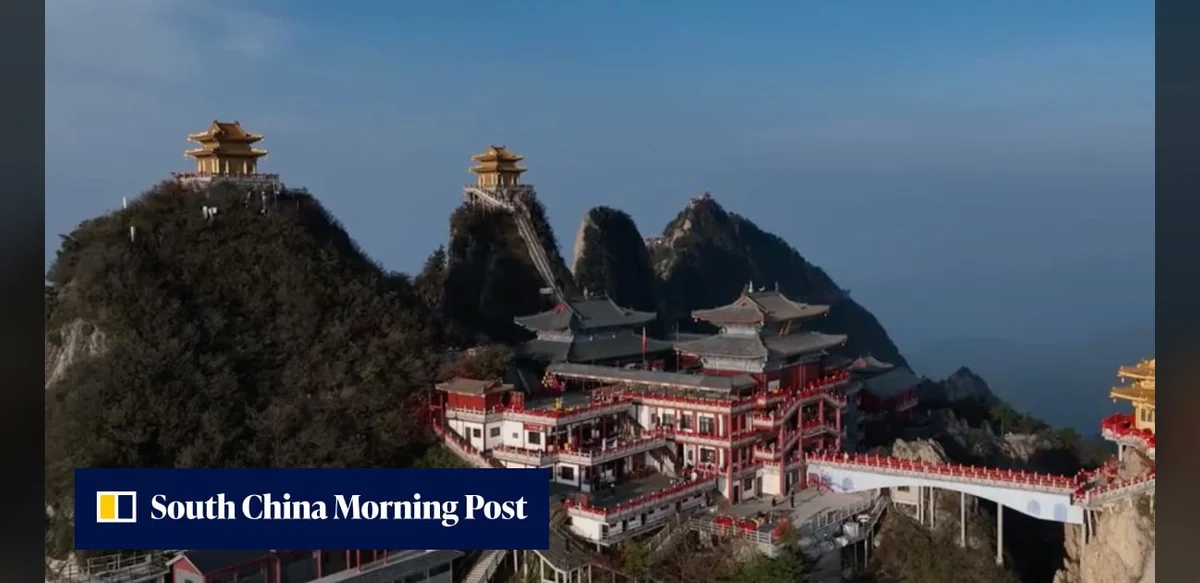
In recent months, a unique employment opportunity atop a remote peak in China has captured widespread attention online, drawing attention to the difficulties young professionals encounter when seeking stable employment. The position, which involves maintaining a high-altitude site with limited access to urban amenities, has been portrayed in social media posts as an appealing escape from conventional career paths. Observers note that this interest coincides with broader economic pressures, including slower growth in traditional sectors and heightened competition for available positions.
Young individuals entering the workforce describe feeling compelled to explore unconventional roles as standard job openings become scarce. Reports indicate that many recent graduates face extended periods without offers in fields such as technology, finance, and manufacturing. This environment has prompted some to consider positions that emphasize self-sufficiency and minimal daily interaction with colleagues or supervisors. The mountaintop role, in particular, has been shared extensively, with applicants highlighting its potential for personal reflection away from city routines.
Economic analysts point to structural factors contributing to the current situation. Reduced hiring by large corporations, combined with shifts in consumer spending patterns, has limited opportunities in established industries. At the same time, discussions around work-life balance have gained traction, leading some to view remote or isolated assignments as viable alternatives. Government statistics released earlier this year showed elevated youth unemployment rates compared to previous periods, underscoring the scale of the challenge.
Social media platforms have amplified stories of individuals pursuing such gigs, often framing them as innovative responses to market conditions. Videos and posts detailing daily tasks at the elevated location have accumulated significant engagement, sparking debates about whether these arrangements represent genuine solutions or temporary distractions. Commentators emphasize that while the appeal is understandable, long-term career development may require additional strategies beyond single unconventional posts.
Employers in various regions have observed increased inquiries about flexible or location-independent work. This trend aligns with observations from labor market researchers who note a gradual diversification in how people define acceptable employment. However, experts caution that roles with minimal oversight and basic compensation may not address underlying issues such as skill mismatches or regional economic disparities.
The viral nature of the mountaintop opportunity has also prompted reflections on societal expectations around success and stability. Families and educators continue to encourage traditional educational routes, yet the realities of available positions have led many to question those paths. Public forums frequently feature accounts from applicants who applied after viewing online promotions, illustrating how digital visibility can influence career decisions during uncertain times.
Overall, the episode serves as an illustration of how specific job postings can reflect wider economic conditions affecting entry-level workers. As discussions continue, attention remains focused on potential policy measures or private sector initiatives that could expand opportunities across multiple sectors. The interest generated by this particular role underscores the ongoing search for meaningful work amid evolving market dynamics.


