


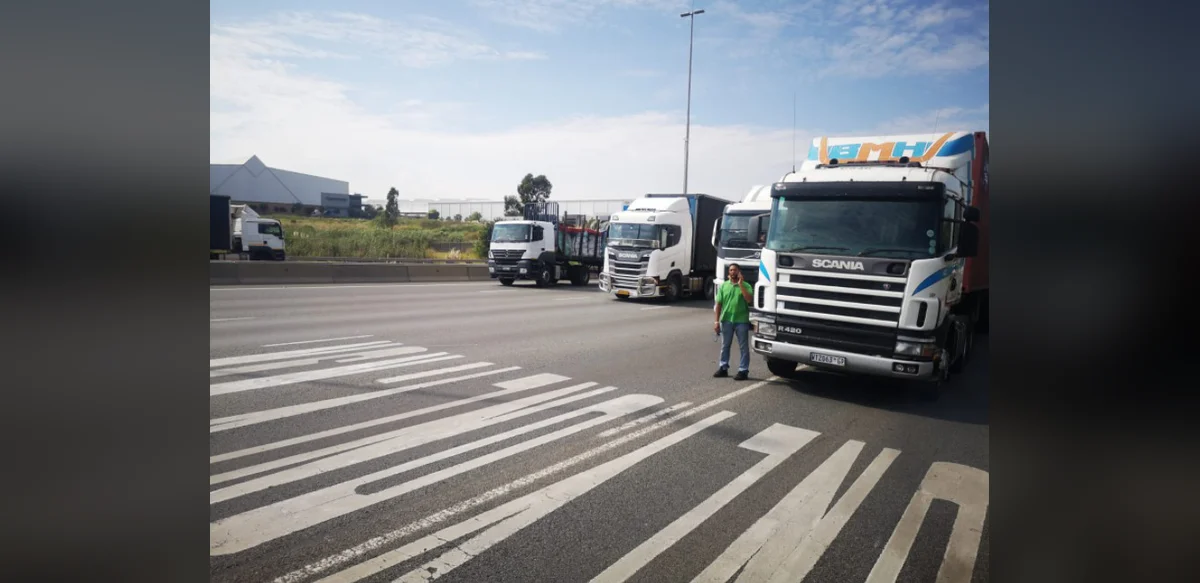
Discussions between South African freight companies and driver representatives collapsed earlier this week, prompting renewed warnings of a complete stoppage in national goods transport. The impasse centers on the employment of drivers from outside the country, an issue that has surfaced repeatedly in recent years.
Industry observers note that such a disruption could affect the movement of essential supplies across provinces, including fuel, food products, and industrial materials. Past episodes of similar action have led to temporary shortages in certain regions and increased costs for businesses reliant on timely deliveries.
Representatives for the drivers have stated that the failure to reach agreement leaves them with limited options. They emphasize concerns over job security and wage levels when foreign workers are brought in under different contractual terms. Company spokespeople, meanwhile, argue that international recruitment is necessary to address shortages in qualified personnel for long-haul routes.
Government officials have called for both sides to return to the negotiating table without delay. They highlight the importance of maintaining stable logistics networks, particularly as the economy seeks to recover from recent global supply-chain pressures. Mediation efforts are reportedly under consideration, though no formal sessions have been scheduled yet.
Analysts point out that the trucking sector plays a central role in South Africa’s economy, handling the majority of inland freight. Any prolonged interruption risks compounding existing challenges in ports and rail services. Retailers and manufacturers are monitoring developments closely, preparing contingency plans that include alternative routing where feasible.
The current standoff follows several rounds of talks that began last month. Initial proposals included phased limits on foreign hires and enhanced training programs for local workers. However, disagreements over implementation timelines and enforcement mechanisms proved insurmountable.
Stakeholders across the supply chain stress the need for a durable solution that balances operational requirements with domestic employment priorities. Without progress, further escalation remains possible, potentially involving coordinated stoppages at key transport hubs.
Public statements from both labor groups and industry bodies continue to urge calm while reiterating core positions. Observers expect updates in the coming days as informal contacts persist behind the scenes.
In the broader context, the dispute reflects ongoing debates about labor mobility within the region. Similar discussions have occurred in neighboring countries facing comparable workforce dynamics. South African authorities have previously introduced regulations aimed at prioritizing citizens for certain transport roles, yet enforcement varies by province.
Business associations warn that uncertainty itself can deter investment in fleet upgrades and infrastructure. They advocate for transparent policy frameworks that provide predictability for all participants.
Drivers on the ground describe mounting frustration after months of stalled progress. Many rely on consistent routes to support families, and the prospect of reduced activity weighs heavily. Company managers, for their part, cite rising operational expenses and the difficulty of maintaining schedules amid regulatory shifts.
As the situation develops, attention will focus on whether renewed dialogue can prevent a full-scale halt. The outcome carries implications not only for domestic commerce but also for cross-border trade links that depend on reliable road networks.
Neutral parties continue to compile data on potential economic impacts, drawing from records of earlier incidents. These assessments aim to inform future policy recommendations without favoring either side.
Overall, the episode underscores the delicate equilibrium required to sustain efficient freight movement while addressing workforce concerns. Continued monitoring by relevant agencies will be essential in the weeks ahead.

