

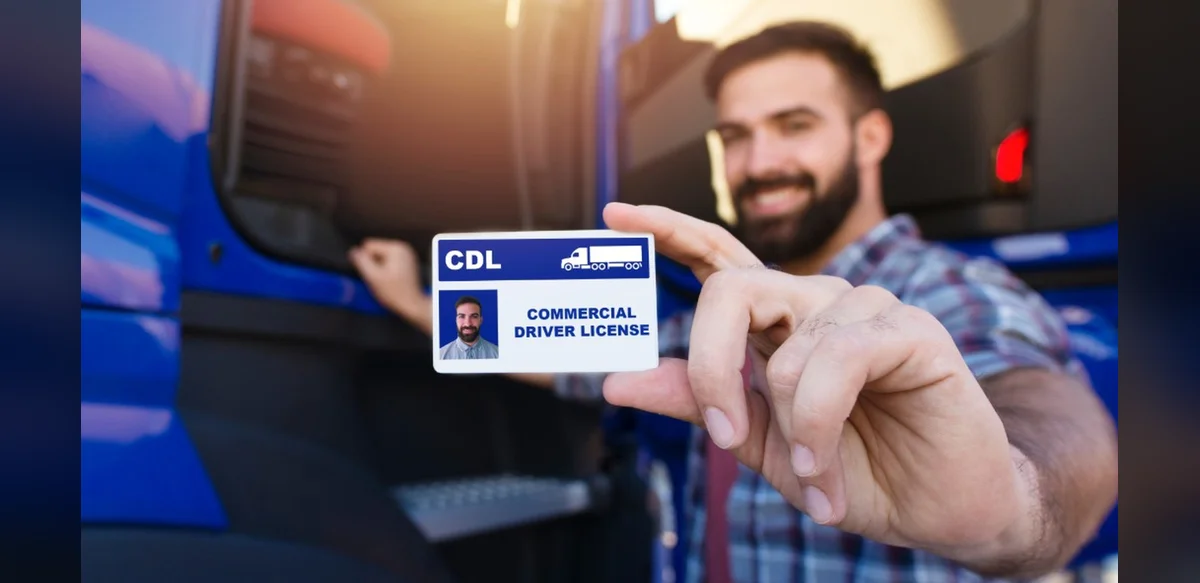
Commercial driver’s licenses include specific limitations that are set according to the vehicle used during the skills examination and the sections of the knowledge test that were completed successfully. These limitations determine which vehicles an individual is permitted to operate after obtaining the license.
The process begins with the testing phase. When a person completes the practical portion of the examination in a particular type of vehicle, the resulting license reflects that choice. For instance, if the test vehicle lacked certain features, the license will note this and restrict the holder from driving vehicles that require those features.
Written test performance also plays a direct role. Passing only selected portions of the knowledge examination leads to corresponding limits on the license. This ensures that drivers have demonstrated understanding of the rules and procedures relevant to the vehicles they are authorized to handle.
Such restrictions serve to maintain safety standards across commercial transportation. They prevent individuals from operating equipment for which they have not shown competence during the official evaluation process. Authorities review the test records to apply these limits consistently.
Drivers who wish to remove a restriction must typically complete additional testing. This involves using a vehicle that meets the requirements for the desired authorization and passing the relevant examination sections again. The updated license then reflects the expanded permissions.
Overall, the system ties license privileges directly to demonstrated skills and knowledge. This approach helps align driver qualifications with the demands of different commercial vehicles on public roads.
Further consideration shows that these measures apply uniformly regardless of the jurisdiction issuing the license, provided the testing standards remain aligned. Renewal periods may require verification that the original conditions still hold or that new tests have been passed.
In practice, employers in the transportation sector review these license details when assigning routes or vehicle types. This review helps confirm that assigned tasks match the documented authorizations on each driver’s record.
The framework encourages ongoing compliance with testing protocols. Individuals planning careers in commercial driving often prepare by selecting test vehicles and study materials that correspond to their intended work.
Public safety benefits arise because only qualified operators handle larger or more complex vehicles. Records of test performance provide a clear basis for enforcement and oversight by licensing agencies.
Education programs for prospective drivers frequently cover the implications of these limitations early in the training sequence. This preparation allows candidates to make informed decisions about which tests to pursue based on career goals.
In summary, CDL restrictions function as a direct outcome of the testing pathway chosen by each applicant. They remain in place until further successful examinations expand the scope of permitted operation.


