

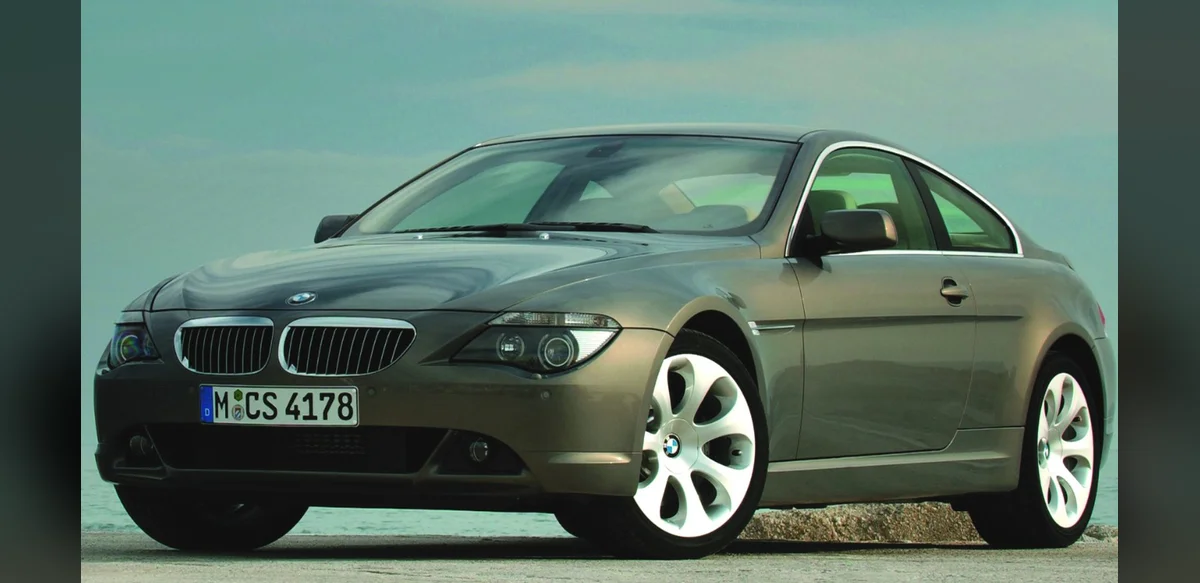
In the early 2000s, BMW introduced a fresh design direction under chief designer Chris Bangle that sparked considerable debate within the automotive community. The rear section of several models featured pronounced lines and a distinctive shape that quickly earned the nickname Bangle Butt among enthusiasts and critics alike. Traditional observers in the industry expressed strong reservations about the departure from more conventional forms, viewing the changes as overly dramatic and inconsistent with established expectations for luxury vehicles.
Over the years, however, perceptions have shifted noticeably. What once drew sharp criticism now appears to many as a forward-thinking element that has integrated well into the broader evolution of automotive aesthetics. The bold contours, initially polarizing, have come to be appreciated for their role in defining an era of experimentation at the German manufacturer. As newer models build upon similar principles, the original designs stand out less as anomalies and more as foundational steps in a continuous process of refinement.
BMW’s approach during that period emphasized innovation in both exterior and interior elements, aiming to differentiate its lineup in a competitive global market. The rear styling in question was part of a larger overhaul that included angular headlights, sculpted surfaces, and a focus on dynamic proportions. While some publications at the time highlighted concerns over market reception, subsequent models demonstrated that the company could maintain strong sales figures despite the visual shifts.
Today, classic examples from that generation are often celebrated at car shows and among collectors for their unique character. The passage of time has allowed the design language to be evaluated within a wider historical context, revealing how it influenced later generations of vehicles across multiple brands. Analysts note that such bold moves can initially face resistance but frequently contribute to long-term brand identity when executed with consistency.
The term Bangle Butt itself has transitioned from a somewhat dismissive label to one used with a measure of fondness in retrospective discussions. It encapsulates a moment when the company prioritized distinctive visual statements over consensus-driven choices. This willingness to take risks is now seen by many industry observers as a strength that helped BMW navigate changing consumer preferences and technological advancements in manufacturing.
Further examination of the period shows that the design elements were not isolated experiments but part of integrated engineering efforts. Aerodynamic considerations, material selections, and production techniques all played roles in realizing the final forms. As electric and hybrid powertrains have gained prominence, the foundational styling cues from earlier decades continue to inform how vehicles are presented to the public.
Market data from subsequent years indicates sustained interest in vehicles featuring those signature rear profiles. Resale values for well-maintained examples remain robust, suggesting that the initial skepticism has given way to recognition of their lasting qualities. Automotive historians often cite the Bangle era as a pivotal chapter that encouraged other manufacturers to explore more expressive design vocabularies.
In summary, the evolution of opinion surrounding BMW’s early 2000s styling underscores the subjective nature of automotive taste and the value of allowing time to assess new directions. What began as a point of contention has matured into an acknowledged contribution to the diversity of modern car design, demonstrating how initial reactions can soften as broader trends develop.


