

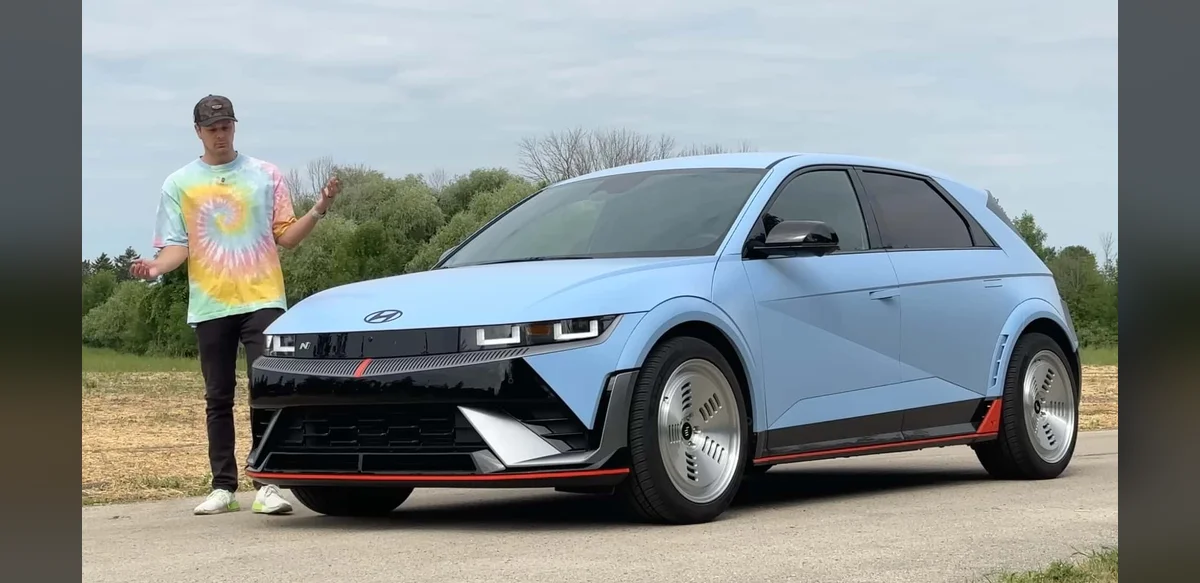
Electric vehicles continue to face scrutiny over their driving range, particularly in high-performance models designed for spirited driving. One notable case involves an owner of a popular electric hatchback who achieved measurable improvements in energy efficiency by opting for smaller wheels. This adjustment resulted in a 12 percent gain, underscoring the significant role that wheel and tire selections play in overall vehicle range.
The Hyundai Ioniq 5 N represents a performance-oriented variant in the electric vehicle segment. Like many such models, it prioritizes acceleration and handling, which can sometimes come at the expense of maximum range. Owners often seek ways to optimize daily usability without compromising the core driving experience. In this instance, the switch to smaller wheels addressed part of the range limitation by reducing rolling resistance and altering the vehicle’s overall dynamics.
Wheel diameter influences several aspects of vehicle operation. Larger wheels typically add weight and can increase aerodynamic drag, both of which affect how far an electric vehicle can travel on a single charge. Smaller alternatives tend to be lighter and allow for tires with lower rolling resistance profiles. These changes collectively contribute to better energy consumption rates, as demonstrated by the reported efficiency boost.
Industry observers note that tire technology and wheel design remain key variables in electric vehicle development. Manufacturers balance factors such as grip, noise levels, and efficiency when specifying original equipment. Aftermarket modifications, when chosen carefully, can provide additional optimization opportunities for individual drivers. The 12 percent improvement highlights how even modest alterations can yield noticeable results in real-world conditions.
Range anxiety persists as a common concern among potential electric vehicle buyers. Performance variants often advertise lower range figures compared to their standard counterparts due to higher power outputs and sportier tuning. Practical solutions like wheel swaps offer one avenue for mitigation. This approach does not require changes to the battery or powertrain, making it accessible for many owners.
Broader discussions in the automotive sector emphasize the importance of holistic efficiency measures. Beyond wheels, elements such as driving habits, climate control usage, and route planning also impact range. However, hardware choices like wheel size provide a tangible starting point for customization. The experience shared by this owner adds to the growing body of user-reported data on electric vehicle modifications.
Automakers are increasingly incorporating efficiency-focused features into new models. Advances in tire compounds and wheel materials aim to reduce energy losses. Consumer interest in such optimizations continues to grow as electric vehicle adoption expands. Cases like the one involving smaller wheels serve as reminders that incremental improvements can accumulate over time.
Safety considerations remain paramount when altering wheel specifications. Any change must maintain appropriate load ratings, speed capabilities, and compatibility with the vehicle’s systems. Professional consultation is advisable to ensure modifications do not affect handling or braking performance negatively. The reported efficiency gain was achieved within safe parameters, according to available details.
The electric vehicle market evolves rapidly, with ongoing research into battery technology and vehicle architecture. In the meantime, owners explore various strategies to enhance their vehicles’ practicality. Wheel and tire choices stand out as a relatively straightforward method with measurable benefits. This particular adjustment on the performance model illustrates the potential for such tweaks.
Data from real-world usage helps inform both manufacturers and consumers. Efficiency improvements of this magnitude can translate to extended daily driving distances or reduced charging frequency. As more owners document their experiences, patterns emerge regarding effective modifications. The focus on wheel size adds a practical dimension to conversations about electric vehicle range optimization.
Overall, the case demonstrates how attention to component details can address some limitations inherent in current electric performance vehicles. Smaller wheels provided a clear efficiency advantage in this scenario, reinforcing the value of informed customization. Continued exploration of such options may contribute to greater satisfaction among electric vehicle drivers seeking balanced performance and range.


