

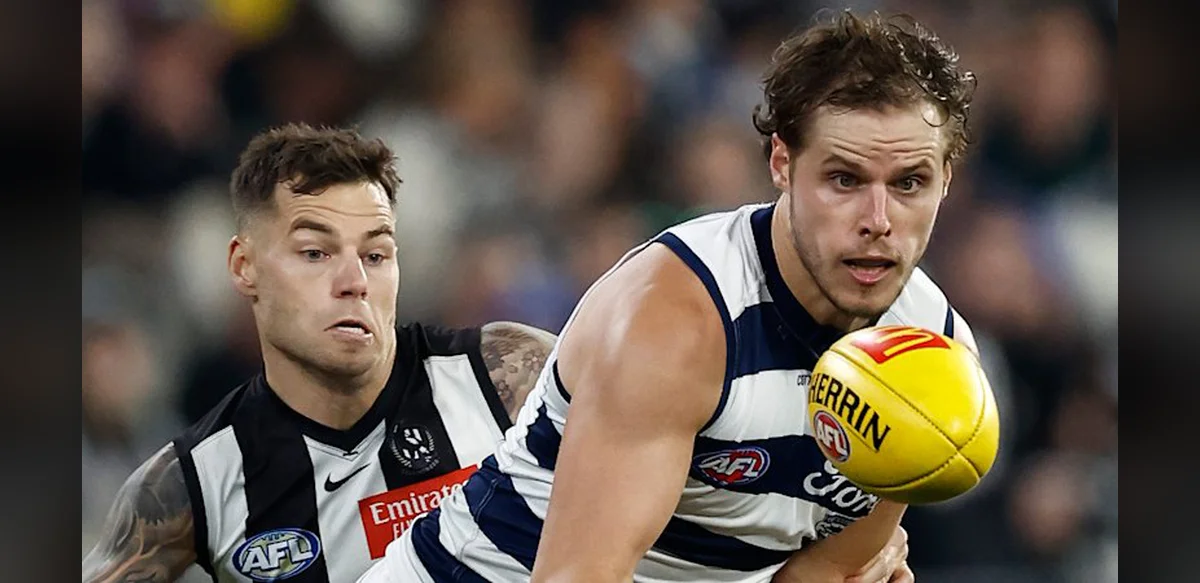
The explanation Geelong must provide to the AFL will not conclude the issue for the club. It also should not end broader conversations about how the sport manages concussion. The matter involves a player who sustained a head injury during a match, leading to questions about protocols and club responsibilities.
Club officials are expected to face scrutiny over their handling of the situation. A substantial financial penalty appears likely given the circumstances. Such measures aim to reinforce standards across the league regarding player welfare.
Discussions around concussion extend beyond any single incident. They touch on long-term health outcomes for athletes and the evolution of rules designed to protect participants. Medical experts continue to emphasize the need for improved detection and management strategies.
The league has introduced various guidelines in recent years to address head injuries. These include mandatory assessments and return-to-play criteria. However, cases like this highlight ongoing challenges in consistent application.
Stakeholders across the sport agree that player safety remains a priority. Fines serve as one tool for accountability. Yet the lasting impact may come from renewed focus on research and education initiatives.
Coaches and medical staff play key roles in identifying symptoms early. Training programs now incorporate more emphasis on recognizing subtle signs of concussion. This shift reflects growing awareness of potential risks.
Public interest in the topic has increased as former players share experiences. Some have spoken about lasting effects from repeated head impacts. Their accounts add weight to calls for further reforms.
The current case serves as a reminder that policies must adapt. Data from similar incidents can inform future adjustments to game rules. Collaboration between clubs, the league, and health professionals is essential.
Financial penalties alone will not resolve underlying issues. A comprehensive approach includes better equipment standards and sideline monitoring technology. These elements work together to reduce incidence rates.
Geelong faces internal reviews following the event. Lessons learned could influence how other teams prepare for similar scenarios. Transparency in reporting and response processes builds trust with fans and players alike.
The broader conversation involves balancing the physical nature of the game with safety measures. Changes must preserve the sport’s integrity while minimizing harm. Ongoing dialogue ensures that developments keep pace with scientific understanding.
Athletes at all levels benefit from clear guidelines. Youth programs often mirror professional standards to instill good practices early. This foundation supports safer participation throughout careers.
Regulatory bodies monitor compliance through regular audits. Non-adherence can result in sanctions beyond fines, such as point deductions in extreme cases. These deterrents encourage proactive management.
Research into concussion continues to advance. Studies examine factors like impact force and recovery timelines. Findings contribute to refined protocols that prioritize long-term well-being.
The fallout from this situation extends to policy reviews at the league level. Input from medical advisors helps shape balanced responses. The goal remains consistent protection for all involved.
Clubs invest in staff training to meet evolving expectations. Workshops cover updated assessment tools and communication strategies. Effective implementation reduces the likelihood of oversights.
Fan engagement with these topics has grown through media coverage. Awareness campaigns highlight the importance of reporting symptoms promptly. This cultural shift supports better outcomes on and off the field.
Ultimately, the emphasis on concussion management reflects the sport’s commitment to its participants. While penalties address specific failures, sustained progress depends on collective effort. The discussion will continue as new information emerges and standards improve.


