

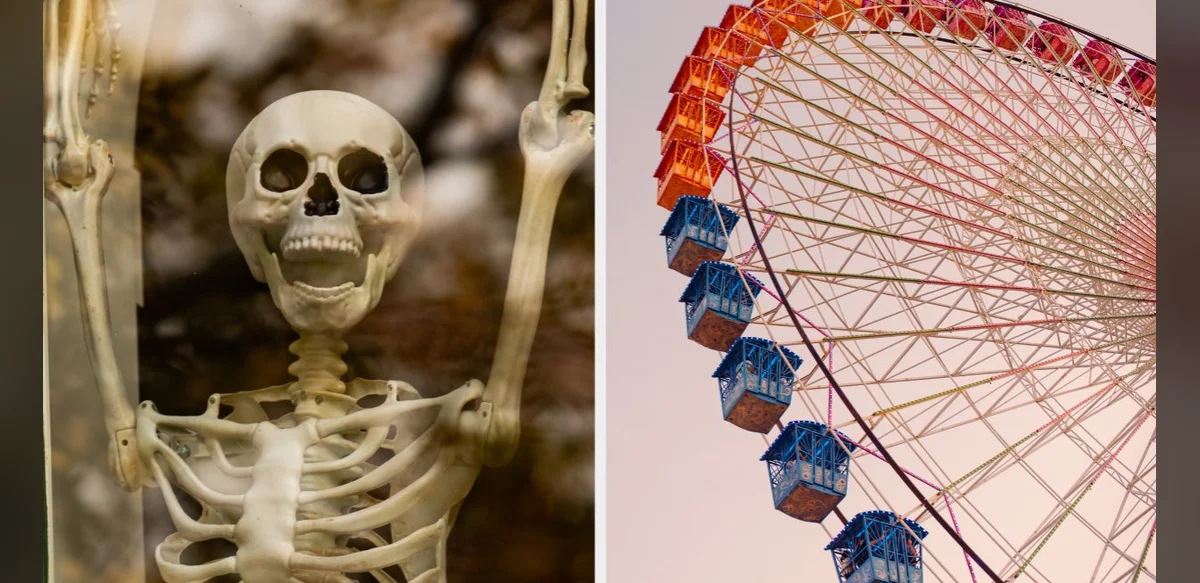
Many individuals find themselves drawn to particular times of the year based on personal experiences and daily routines. Summer often brings longer daylight hours and opportunities for outdoor activities such as swimming or picnics in parks. These elements can create a sense of relaxation and energy for those who enjoy warm weather and social gatherings.
In contrast, the period around late October introduces different traditions that emphasize creativity and storytelling. Decorations featuring carved items and themed gatherings allow people to explore imaginative sides in a lighthearted manner. This season tends to appeal to those who appreciate cooler temperatures and evening events.
Surveys conducted across various regions indicate that preferences vary widely. Some report feeling more energized during months with extended sunlight while others describe a stronger connection to reflective or playful customs associated with harvest periods. Factors such as childhood memories and local climate play roles in shaping these inclinations.
Understanding these patterns can offer insights into broader cultural trends. Communities frequently organize events that highlight both warm-weather recreation and seasonal festivities, providing spaces for diverse groups to participate. Such activities foster connections among residents who might otherwise have differing tastes.
Psychological studies suggest that environmental changes influence mood and behavior. Increased sunlight may boost serotonin levels for certain people, leading to heightened activity levels. Meanwhile, shorter days and themed celebrations can encourage introspection or group bonding through shared narratives.
When considering which period resonates more strongly, individuals might reflect on their typical responses to temperature shifts or visual cues like blooming flowers versus colorful foliage. Simple self-assessment questions about preferred leisure pursuits can clarify these leanings without requiring specialized tools.
Public discussions on social platforms reveal ongoing interest in comparing these two seasons. Participants share anecdotes about memorable experiences, ranging from beach outings to costume preparations. These exchanges highlight common themes of joy and anticipation tied to annual cycles.
Local businesses adapt by offering products suited to each timeframe. Retailers stock items for outdoor recreation early in the year and transition to decorative goods as temperatures drop. This economic response underscores the commercial significance of seasonal shifts.
Ultimately, personal affinity for either summer or the Halloween period depends on individual circumstances. Both offer distinct benefits that enrich yearly experiences. Exploring these options through observation or conversation can enhance appreciation for the variety present in natural and cultural calendars.
Further research into regional variations continues to provide data on how geography affects these preferences. Areas with milder winters may see different engagement levels compared to regions experiencing more pronounced seasonal changes. Such findings contribute to a nuanced view of human interaction with time-based traditions.
In summary, the choice between summer-oriented pursuits and Halloween-inspired activities remains a matter of personal resonance. Both seasons hold unique attributes that continue to attract followers year after year.


