


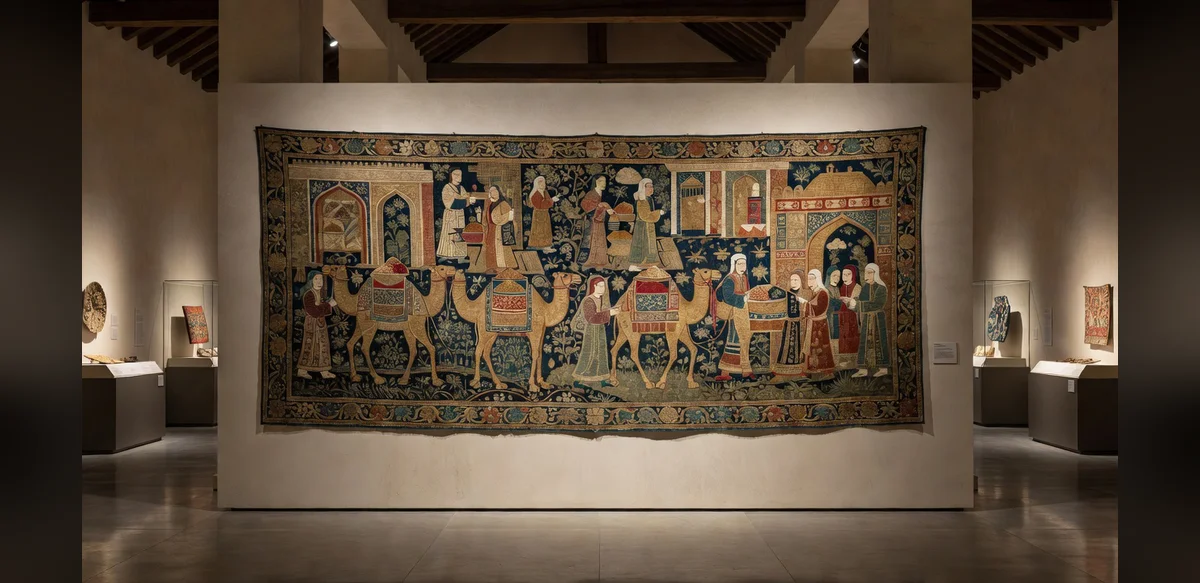
The journey of the Bayeux Tapestry to the British Museum represents a remarkable case of international cooperation overcoming significant technical and expert reservations. For years, French specialists maintained that the delicate 900-year-old embroidery could not withstand the stresses of relocation. Its intricate threads and fragile backing were seen as too vulnerable for any form of transport beyond its home institution.
Despite these concerns, a combination of political commitment, advanced engineering solutions, and careful diplomatic negotiations ultimately made the move possible. Officials from both nations worked closely to address every aspect of the transfer, from climate control to vibration dampening during transit.
Engineers developed custom cases equipped with sensors and shock absorbers to monitor and protect the artifact at every stage. These innovations allowed the tapestry to travel safely while maintaining stable environmental conditions throughout the process.
The decision to proceed reflected broader efforts to strengthen cultural ties between the two countries. By prioritizing shared heritage over longstanding cautions, the project demonstrated how determined collaboration can resolve complex preservation challenges.
Museum staff on both sides coordinated detailed plans for installation and display. The exhibition at the British Museum was designed to highlight the tapestry’s historical significance while ensuring its long-term safety under new conditions.
Public interest in the display has been substantial, drawing visitors eager to view the work in a different setting. Educational programs accompanying the exhibition explain the technical measures taken to enable the loan.
This successful transfer may influence future decisions regarding other fragile artifacts. It shows that with sufficient resources and expertise, even the most delicate items can be shared across borders responsibly.
The entire operation required months of preparation and testing. Multiple trial runs with replicas helped refine the procedures before the actual artifact was moved.
Diplomats played a key role in securing necessary approvals and funding. Their efforts ensured that all parties remained aligned on the project’s goals and timelines.
In the end, the arrival of the Bayeux Tapestry at the British Museum stands as evidence that expert doubts can be addressed through innovation and mutual trust. The event opens new possibilities for cultural exchange while respecting the highest standards of conservation.

