

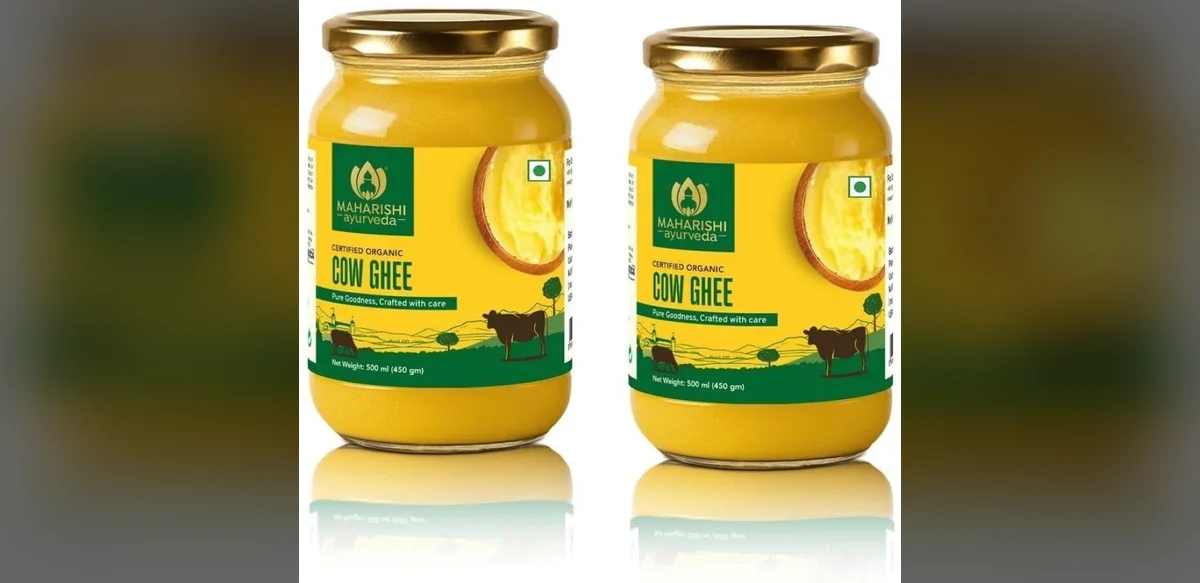
Many Indian households keep a jar of ghee on the shelf as a familiar cooking staple with cultural significance. Produced from milk fat through slow heating, authentic ghee contains only that single ingredient. However, some commercial versions are reported to include added palm oil, vegetable oil or hydrogenated fats to reduce costs. These blends can resemble real ghee in appearance and scent yet differ in composition. Pure ghee supplies fat-soluble vitamins and butyric acid linked to digestive support. In contrast, adulterated products may contain trans fats and oxidized oils associated with elevated LDL cholesterol and inflammation. Labels should be examined closely for ingredient lists mentioning only milk fat. Terms such as vegetable oil, palm oil or edible oil blend indicate mixtures. Certifications and price comparisons can provide further clues, though they are not definitive. Scientific tests for markers like beta-sitosterol help identify plant-based additions. Consumers are advised to verify details beyond marketing claims to ensure product quality.


