

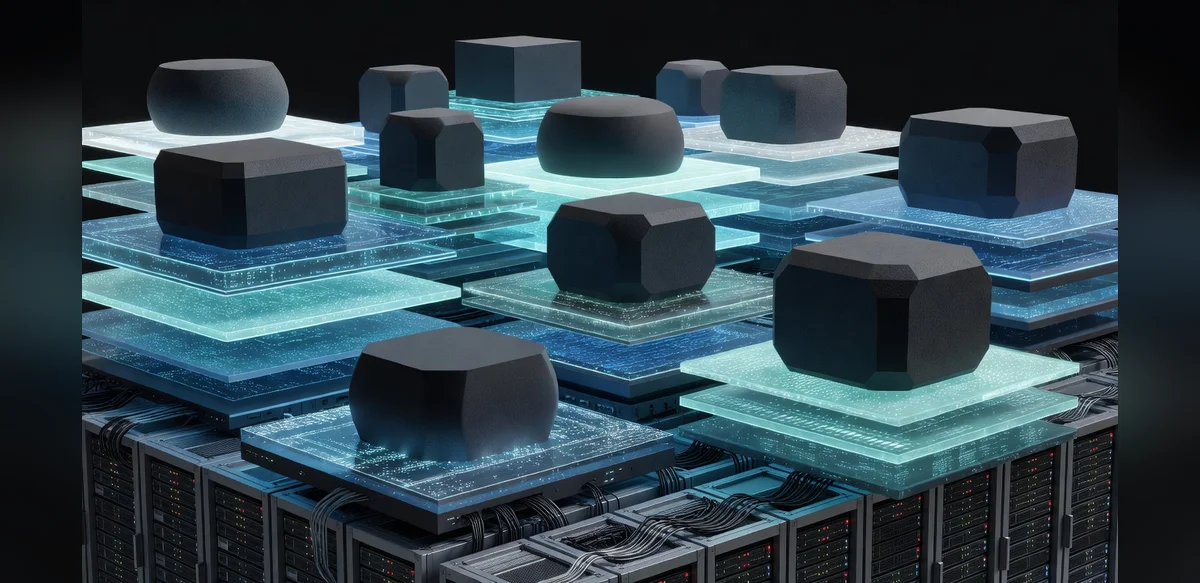
Virtualization technology isolates guest operating systems within distinct security domains that generally operate with reduced access rights compared to applications running natively on the underlying hardware. Recent developments show growing attention toward establishing several such domains inside one virtualized setup.
Hardware manufacturers along with software developers are exploring ways to support these configurations. The approach aims to strengthen protection by limiting the impact of potential breaches across different parts of the system.
Kernel-based Virtual Machine, commonly referred to as KVM, serves as a core component in many modern virtualization solutions. It integrates directly with the Linux kernel to enable efficient creation and management of virtual machines. Discussions around KVM focus on extending its features to handle multiple isolated environments more effectively.
Industry observers note that separating workloads into independent domains can reduce risks associated with shared resources. This method allows organizations to run applications with varying sensitivity levels on the same physical server without compromising overall security.
CPU makers have introduced extensions that facilitate finer control over memory and processing resources. These hardware capabilities complement software efforts to enforce stricter boundaries between domains. As a result, virtualized systems can achieve higher levels of isolation while maintaining performance.
Software vendors are also contributing by developing tools that simplify the configuration of multiple security contexts. Such tools help administrators define policies that govern how domains interact with each other and with the host system.
The trend reflects broader interest in improving resilience against attacks that target virtualization layers. By creating additional separation, systems become less vulnerable to lateral movement once an initial compromise occurs.
Experts emphasize that these advancements require careful implementation to avoid introducing new complexities. Proper testing and validation remain essential to ensure that the added isolation mechanisms function as intended under real-world conditions.
Overall, the evolution of KVM and related technologies points to a future where virtualized environments offer stronger built-in protections. Continued collaboration between hardware and software providers is expected to drive further refinements in this area.


