

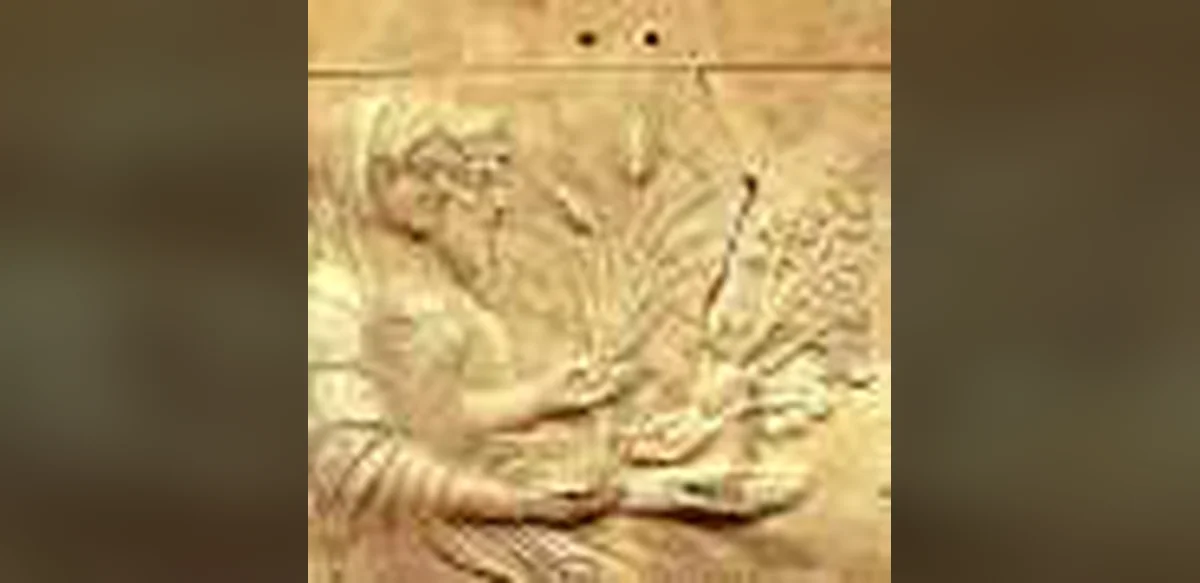
Wheat played a central role in ancient Mediterranean life. The Roman emperor Julian described bread as the most nourishing food in his society. Cereal-based items formed the core of diets at the time, supplemented by pulses, oil, wine and seasonal produce. This differed from today’s version of the Mediterranean diet, which emphasizes vegetables, olive oil and fish. Not everyone viewed bread favorably. Some groups living on meat and milk considered it unnourishing. The physician Galen offered the most detailed account in his writings on foodstuffs. He ranked wheat as the most valuable cereal and described variations in bread quality, with finer white loaves seen as superior. Preparation methods mattered, as overbaking could ruin texture and digestibility. Galen recounted personal discomfort after eating unprocessed grains during travel, noting that milling and baking made them suitable. Fruits and vegetables appeared in discussions but were often valued more for medicinal effects than daily nutrition. Pulses provided substantial calories, while fresh fish depended on location and cost. Ancient sources indicate diets varied widely by region and wealth, with some areas offering abundant seafood and affordable grains.


