

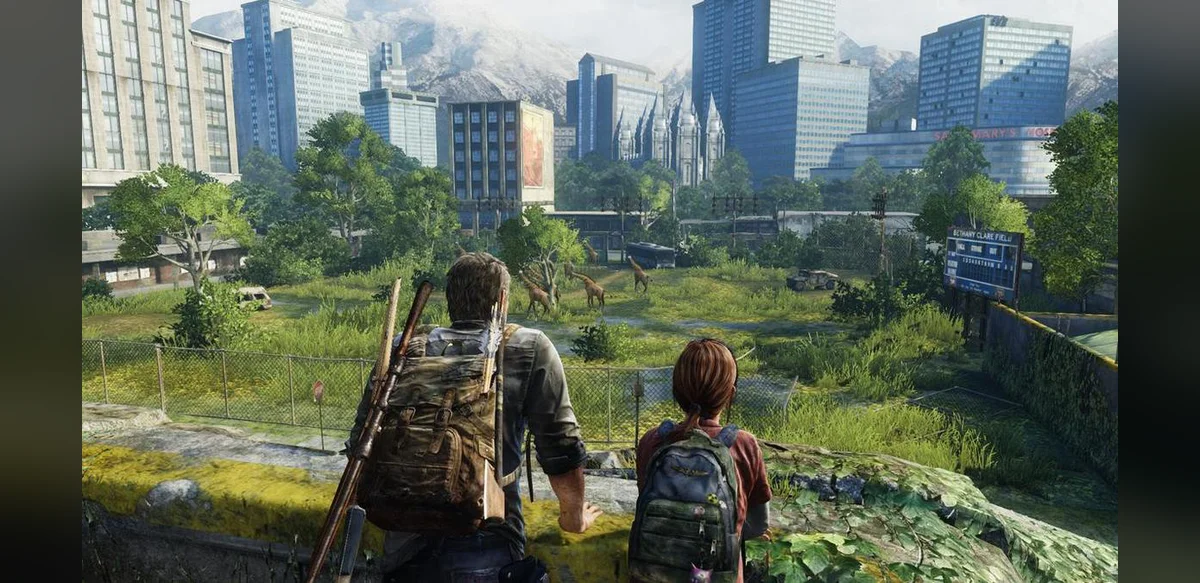
During the summer of 2020, many revisited familiar post-apocalyptic settings on screen. The game The Last of Us, later adapted into an HBO series with a second season due soon, offers a desolate world accompanied by gentle music. Rather than focusing on rescue, it highlights remaining moments of tenderness after collapse. Such narratives often present the end of civilization as oddly comforting amid modern pressures. Stories of isolated survivors and ruined societies evoke both fear and a sense of relief through their quiet emptiness. Animated film WALL·E depicts a pastel-toned dystopia with a gentle tone despite widespread waste. The 2007 movie I Am Legend shows a lone figure and his dog in an empty urban space, suggesting solitude can bring clarity once noise ceases. The series Station Eleven proposes that art and compassion persist after disaster. In contrast, the show Fallout mixes dark humor with a sense of reinvention in a ruined environment. The film Nausicaä frames catastrophe as a natural process where empathy becomes essential. The game Death Stranding elevates routine deliveries to a meaningful ritual. The series Zom 100 implies that societal structures themselves may represent the greater burden. These tales do not advocate for actual endings but provide imagined spaces of stillness and focus for those overwhelmed by daily demands.


