

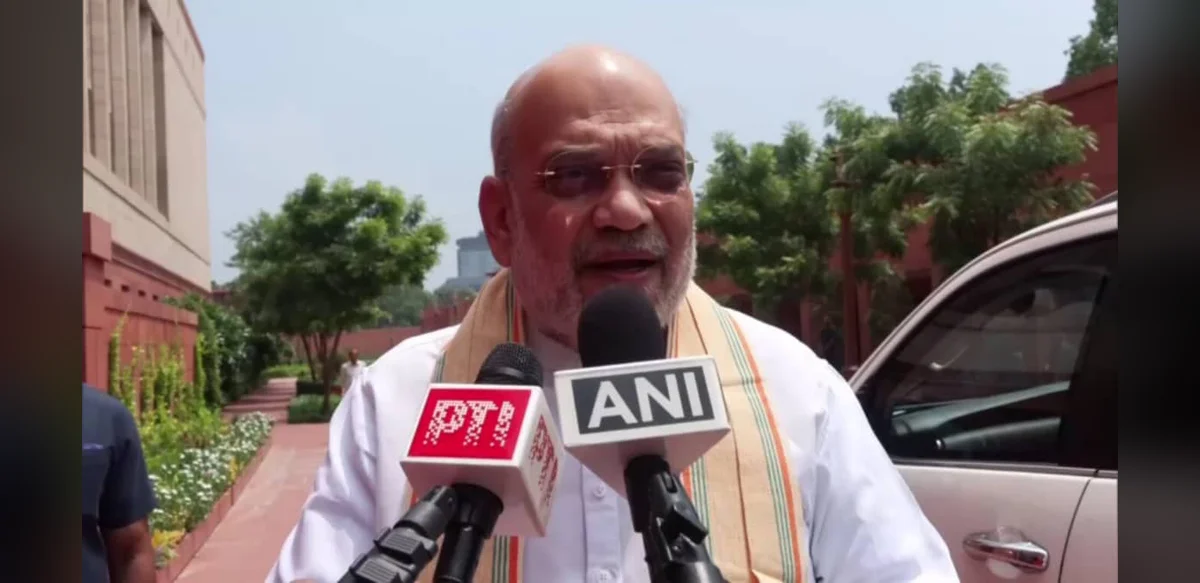
Union Home Minister Amit Shah has indicated his preparedness to engage in parliamentary discussions on matters causing the current impasse in proceedings. He emphasized that the opposition holds the initiative to initiate formal talks by submitting a written request to Lok Sabha Speaker Om Birla. Once such a communication is received, arrangements could be made for deliberations to commence at three in the afternoon and extend into the evening hours as necessary.
This statement comes amid ongoing disruptions that have affected the functioning of both houses of Parliament. Shah’s remarks highlight a procedural pathway forward, placing the onus on opposition parties to formalize their demand for debate through established channels. The suggestion aligns with standard practices where the Speaker’s office coordinates schedules for important discussions based on requests from various political groups.
Observers note that such logjams often arise from disagreements over the priority of issues to be taken up. By outlining a clear next step, Shah appears to be inviting structured engagement rather than prolonged interruptions. The proposed timeline, starting in the early afternoon and potentially running late, would allow ample opportunity for multiple viewpoints to be aired on the floor.
Parliamentary procedures typically require advance notice for debates on specific topics, ensuring that all members are prepared and that the agenda can be managed efficiently. Shah’s response underscores adherence to these norms, suggesting that without a formal approach to the Speaker, immediate resumption of normal business remains challenging.
Political analysts suggest that this development could pave the way for negotiations between the treasury and opposition benches. If the opposition chooses to write to the Speaker, it would signal a willingness to move past the current standoff toward substantive exchanges. Conversely, the absence of such a letter might prolong the uncertainty surrounding the session’s productivity.
The minister’s comments were delivered in a measured tone, focusing on institutional mechanisms rather than assigning blame. This approach reflects an effort to keep the focus on legislative functionality. In recent sessions, similar calls for written requests have been used to break deadlocks, allowing debates on critical national issues to proceed under the Speaker’s guidance.
Should the opposition respond positively, the debate could cover a range of topics currently stalled, providing a platform for questions, clarifications, and policy explanations. The extended hours proposed would accommodate thorough examination without rushing through important points.
Overall, Shah’s statement serves as an open invitation for dialogue within the constitutional framework. It remains to be seen how opposition leaders will interpret and act upon this suggestion in the coming hours. The ball, as it were, rests with them to decide the immediate course for resuming parliamentary work.
In the broader context of legislative sessions, maintaining order and productivity is essential for addressing public concerns effectively. Both sides have historically used such moments to negotiate agendas that reflect pressing matters. The current impasse, while disruptive, also presents an opportunity for reaffirming commitment to democratic processes.
If a letter is submitted promptly, the Speaker’s office could facilitate the necessary arrangements, ensuring that the session regains momentum. This procedural clarity offered by Shah may help de-escalate tensions and redirect energy toward constructive debate.
The coming days will likely reveal whether this overture leads to renewed activity in the houses or further delays. For now, the emphasis stays on following established protocols to resolve the logjam amicably and efficiently.


