

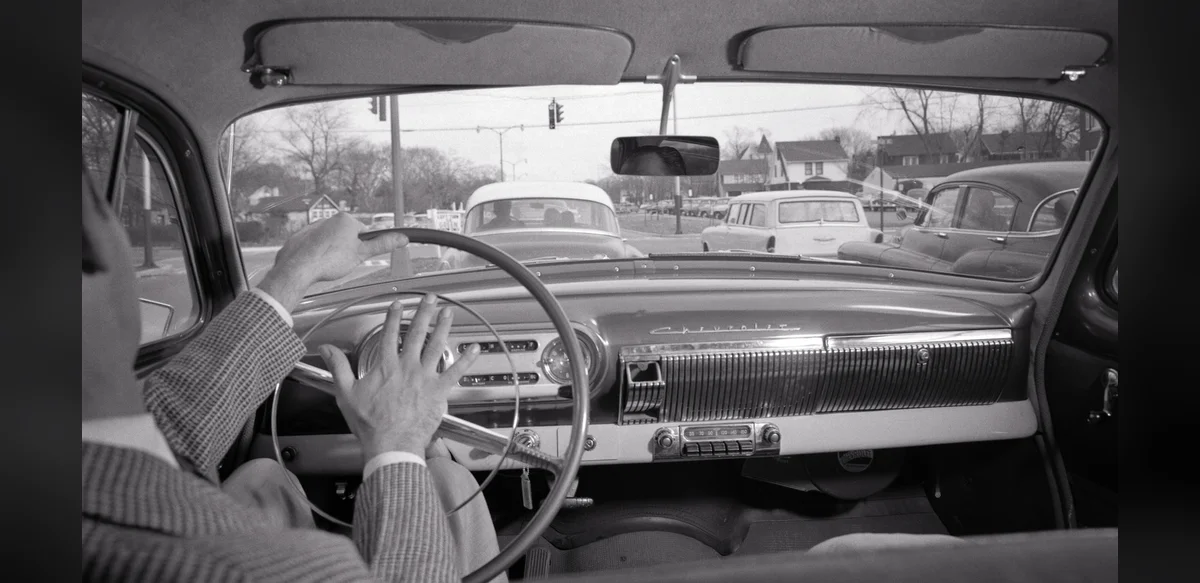
Driving on public roads often involves interactions with numerous other vehicles and their operators. Many individuals report experiencing frustration during daily commutes and longer trips due to behaviors exhibited by fellow motorists. This shared experience highlights the challenges of navigating crowded roadways where personal habits can affect collective safety and flow.
One frequently mentioned issue involves vehicles that change lanes abruptly without prior indication. Such actions can lead to sudden braking by surrounding drivers and contribute to overall tension on the road. Observers note that consistent use of turn signals helps maintain smoother traffic patterns and reduces the likelihood of minor incidents.
Another common point of irritation centers on vehicles traveling significantly below the posted speed limit in passing lanes. This practice can create backups that extend for considerable distances. Motorists in these situations often find themselves forced to wait for opportunities to overtake safely, which may extend travel times unexpectedly.
Tailgating represents an additional source of concern for many road users. When one vehicle follows too closely behind another, it limits reaction time in case of sudden stops. Traffic authorities emphasize maintaining adequate following distances as a basic principle for reducing collision risks.
Failure to yield at intersections or merge points also ranks high among reported annoyances. Proper adherence to right-of-way rules supports orderly movement through complex junctions. Deviations from these norms can result in confusion and delays for multiple parties.
Distracted operation of vehicles, including activities such as mobile device use, draws attention as well. Such conduct diverts focus from the primary task of controlling the vehicle and monitoring surroundings. Educational campaigns continue to stress the importance of undivided attention while driving.
Parking practices in shared lots or along streets occasionally provoke complaints when vehicles occupy more than one space or block access points. Clear markings and considerate positioning help alleviate these issues in high-density areas.
Weather conditions can amplify existing tensions, as reduced visibility and slippery surfaces demand heightened caution from all participants. Drivers who adjust their speed and spacing accordingly contribute to safer conditions for everyone involved.
Vehicle maintenance plays a role too, with poorly maintained cars sometimes exhibiting erratic performance that surprises nearby operators. Regular inspections support more predictable behavior on the road.
Overall, awareness of these patterns encourages more cooperative conduct among road users. While individual experiences vary, collective adherence to established guidelines promotes efficiency and reduces unnecessary stress during travel. Continued public discussion of these topics may foster gradual improvements in driving culture over time.


