

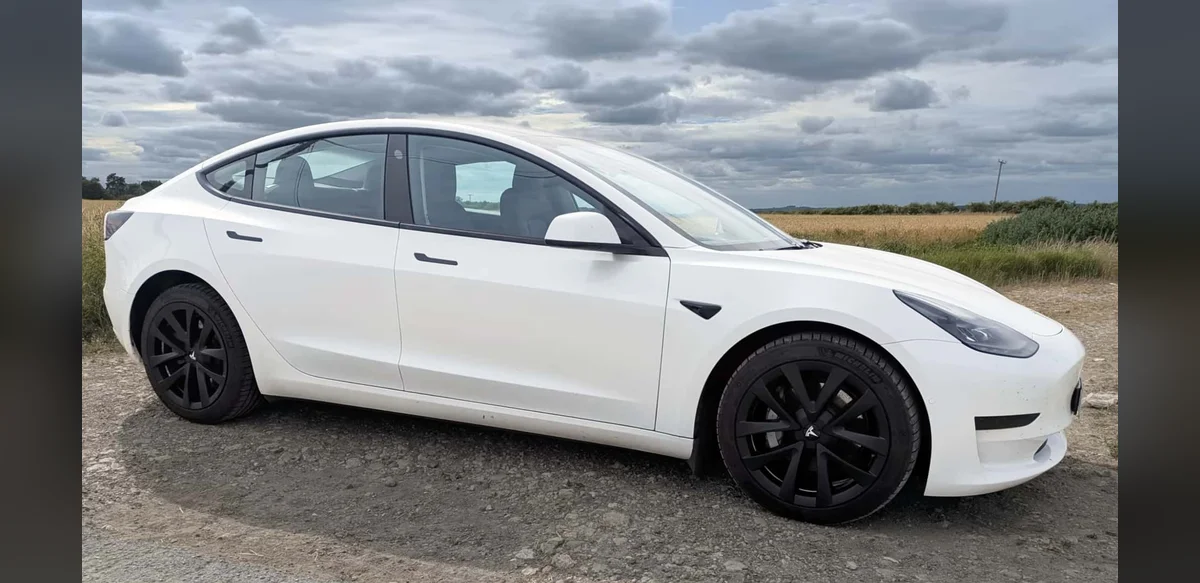
A used electric vehicle with significant mileage recently underwent evaluation to determine the condition of its battery pack despite limited information about prior usage patterns. The four-year-old model featured a lithium iron phosphate battery, a chemistry known for stability and longevity in electric cars.
Owners of pre-owned electric vehicles often face uncertainty regarding charging habits and maintenance records. In this case, the vehicle had accumulated 78,000 miles, prompting a detailed assessment of how the battery had performed over time. Such tests provide insights into capacity retention and overall health without relying on owner-provided data.
Lithium iron phosphate batteries are commonly selected for their resistance to degradation compared to other chemistries. They typically maintain performance across numerous charge cycles, making them suitable for daily driving and long-term ownership. The evaluation focused on measuring remaining capacity and efficiency after years of service.
Industry observers note that real-world battery aging can vary based on factors like temperature exposure, charging frequency, and driving conditions. Without complete service history, independent testing becomes essential for buyers considering similar vehicles. This approach helps establish benchmarks for expected performance in comparable models.
The assessment process involved specialized equipment to analyze voltage levels, internal resistance, and energy storage capabilities. Results indicated the battery had aged in line with expectations for its age and mileage, demonstrating resilience under unknown prior conditions. This outcome aligns with broader observations about the durability of lithium iron phosphate packs in electric vehicles.
Electric vehicle adoption continues to grow, increasing interest in the secondary market for used models. Potential purchasers benefit from transparent battery evaluations that reduce risks associated with high-mileage examples. Standardized testing methods are emerging to support informed decisions in this segment.
Manufacturers have incorporated battery management systems designed to optimize longevity and safety. These systems monitor temperature, charge rates, and discharge patterns to minimize wear. In vehicles with limited usage records, such built-in protections contribute to sustained performance over time.
Further studies on used electric vehicle batteries are expected as more models reach higher mileage thresholds. Data from these evaluations can inform improvements in battery design and recycling processes. They also support consumer confidence in the longevity of electric powertrains.
Overall, the examination highlighted the practical advantages of lithium iron phosphate technology in scenarios involving incomplete historical information. It underscores the value of diagnostic tools for assessing vehicle condition beyond basic mileage figures. As the electric vehicle fleet expands, such analyses will play a growing role in market dynamics.


