

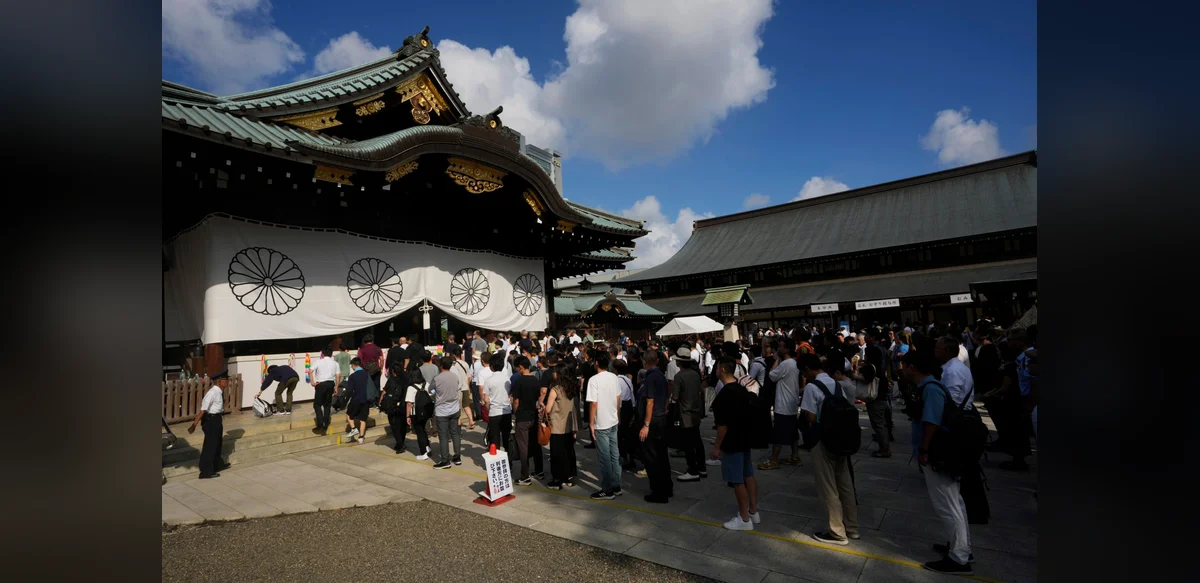
In 1874, Emperor Meiji made a visit to a location that would later develop into one of Japan’s most debated memorials dedicated to those lost in service to the nation. During this occasion, he expressed a commitment that the identities of individuals who had given their lives for their homeland would be preserved indefinitely at the site.
This early act by the emperor set the foundation for what became a place of national remembrance. The vow emphasized permanence, ensuring that future generations would recall the sacrifices made. Over time, the location evolved from a simple site into a structured memorial, reflecting changing attitudes toward history and duty.
The initial visit occurred during a period of significant transformation in Japan. The country was modernizing rapidly, and honoring those who supported national efforts was seen as important for unity. The emperor’s words highlighted a desire to maintain memory, creating a lasting connection between past actions and present identity.
Discussions around the memorial often focus on its role in commemorating the deceased. Supporters view it as a necessary tribute to loyalty and service, while critics raise concerns about its broader implications in international relations. The core promise from 1874 remains central to these conversations, serving as a reference point for ongoing debates.
Visitors to the site today encounter an atmosphere of solemnity. The grounds are maintained to reflect respect for the individuals named there. Educational materials and displays provide context about the historical period when the vow was made, helping to explain the memorial’s purpose without altering its original intent.
The emperor’s statement in 1874 underscored the idea that names hold power in preserving legacy. By ensuring they would endure, the pledge aimed to prevent forgetting. This principle has guided the memorial’s operations through various eras, adapting to new circumstances while staying true to the founding commitment.
Public interest in the history of the site continues, with many seeking to understand how a single visit led to such a prominent institution. The story begins with that 1874 event and the accompanying vow, illustrating how personal resolve from a leader can shape national symbols for centuries.
Neutral observers note that the memorial stands as an example of how societies handle collective memory. The emphasis on names living forever points to a cultural value placed on recognition of service. This aspect has remained consistent despite shifts in political and social landscapes.
In summary, the 1874 visit by Emperor Meiji and his vow form the starting point for understanding the shrine’s significance. The commitment to eternal remembrance continues to define its character, inviting reflection on duty, history, and the ways nations honor their past.


