

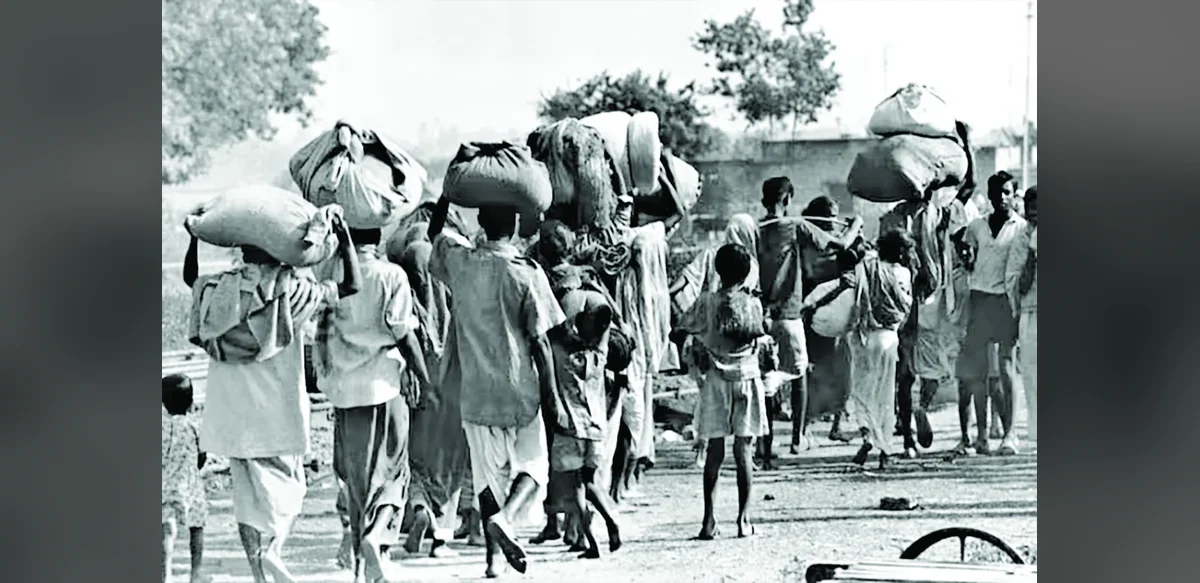
Stories of the 1947 Partition from Bengal and Punjab often appear in books, films, and education. Assam’s experience, equally significant, receives far less notice despite ongoing effects today.
The Partition remains one of India’s darkest periods. Millions of citizens suffered due to decisions by a few leaders and British colonial policies. Nearly eighty years later, the damage persists, with Assam bearing deep though often overlooked marks.
Discussions of the Partition usually focus on Bengal and Punjab. Yet Assam endured comparable losses in territory, economy, and political structure. Its geography was split, trade routes severed, and governance continues to reflect those changes.
Historian Subhajit Choudhury of IIT Guwahati noted the rushed nature of the process. Areas such as Rongpur shifted to East Pakistan without consultation. The Sylhet referendum created lasting economic harm by cutting access to the nearest port.
British authorities rushed the border process. Cyril Radcliffe, unfamiliar with India, drew the lines. Sylhet’s Muslim-majority areas joined East Bengal after a referendum, leaving Assam with only Karimganj. Mountbatten assigned the task to the Bengal commission to avoid delays. The August 17, 1947 award left Assam with limited Hindu-majority zones while most of Sylhet went to Pakistan, breaking key trade links.
Local leaders protested the arbitrary decision. One wrote to Sardar Patel criticizing the distant, uninformed ruling.
The Siliguri Corridor, or Chicken’s Neck, became Assam’s sole narrow connection to the rest of India, about 20 km wide. Pre-Partition routes through East Pakistan vanished overnight, dismantling transport and economic networks built over decades. The region’s government had warned of this risk beforehand.
Journalist Naba Thakuria observed that the loss extended beyond geography to cultural ties. Promises of compensation went unfulfilled, and later migration from Bangladesh added further strain.


