

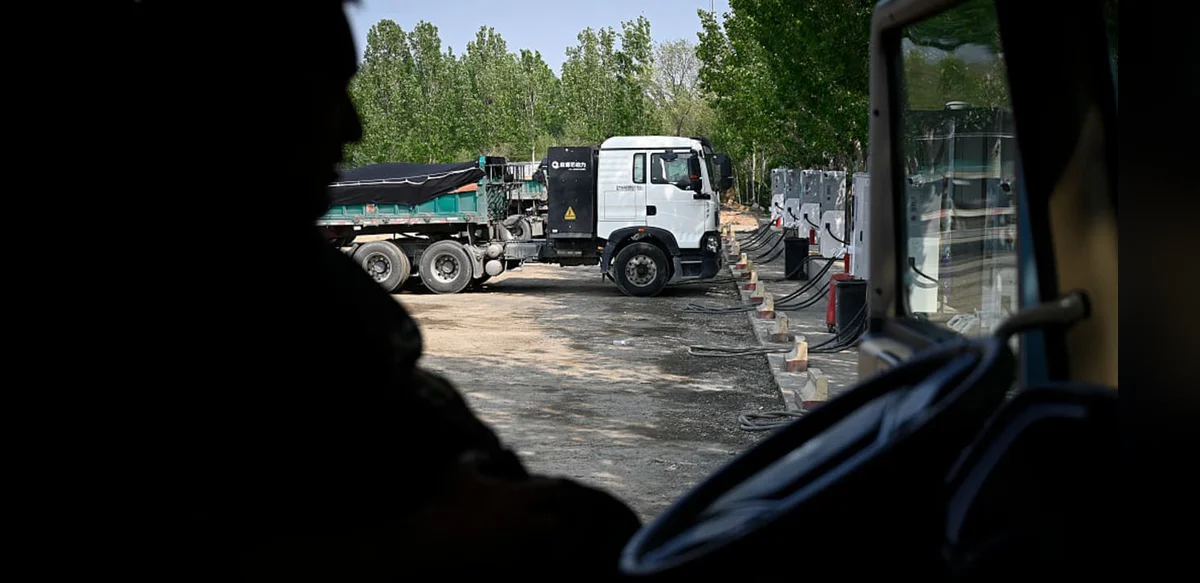
China has stepped up its shipments of electric trucks to international markets as tensions in the Middle East push oil prices higher. The move comes at a time when global energy markets face volatility due to the ongoing conflict involving Iran. Domestic manufacturers have accelerated production and export strategies for battery-powered heavy vehicles, ranging from smaller delivery units to large tractor-trailers designed for long-haul operations.
The world’s largest automotive sector has seen steady growth in electric commercial vehicles over recent years. This transition has helped limit exposure to fluctuating diesel and gasoline costs that typically affect traditional fleets. Industry observers note that widespread use of electric models within China has created a buffer against external shocks in fuel supply chains.
Export figures for these vehicles have risen noticeably in the past quarter. Buyers in regions sensitive to energy expenses have shown increased interest in zero-emission alternatives. Chinese producers cite improved battery technology, lower operating expenses, and government incentives as key factors driving overseas demand.
Analysts point out that the conflict has contributed to a sharp rise in crude oil benchmarks. This development has prompted logistics companies worldwide to reconsider their reliance on internal combustion engines. Electric trucks offer predictable energy costs and reduced maintenance needs, making them attractive during periods of price instability.
China’s manufacturing base benefits from an established supply network for batteries and electric drivetrains. This infrastructure supports rapid scaling of output to meet both domestic replacement needs and foreign orders. Several major assembly plants have reported higher utilization rates as export contracts are fulfilled.
Global trade data indicates that shipments to Europe, Southeast Asia, and parts of Latin America have grown. These markets face similar pressures from elevated fuel expenses and tightening emissions regulations. Electric models provide compliance advantages alongside cost savings over the vehicle lifecycle.
The broader economic context includes efforts by governments to diversify energy sources. Policymakers in multiple countries encourage adoption of low-emission transport to enhance energy security. China’s experience demonstrates how early investment in electrification can mitigate risks associated with geopolitical events affecting oil markets.
Challenges remain for wider international adoption. Infrastructure for charging heavy vehicles requires further development in many destinations. Battery range limitations on extended routes also influence purchasing decisions. Nevertheless, ongoing improvements in energy density and fast-charging systems continue to address these concerns.
Industry reports highlight that total cost of ownership for electric trucks has become competitive in high-utilization scenarios. Fleet operators calculate savings on fuel and servicing that offset higher initial purchase prices within a few years. This economic case strengthens when diesel prices remain elevated.
China’s position as both a major producer and consumer of electric commercial vehicles positions it to influence global standards. Technical specifications developed domestically often serve as reference points for emerging markets seeking reliable, affordable options.
Looking ahead, sustained conflict in the region could prolong elevated fuel costs, reinforcing the shift toward electrification. Exporters anticipate continued interest from buyers seeking alternatives to conventional trucks. Domestic adoption trends suggest that the protective effect against oil price swings will persist as more fleets transition.
Overall, the combination of technological readiness and market conditions has supported expanded overseas sales. This development reflects wider changes in commercial transport driven by both economic and environmental considerations.


