

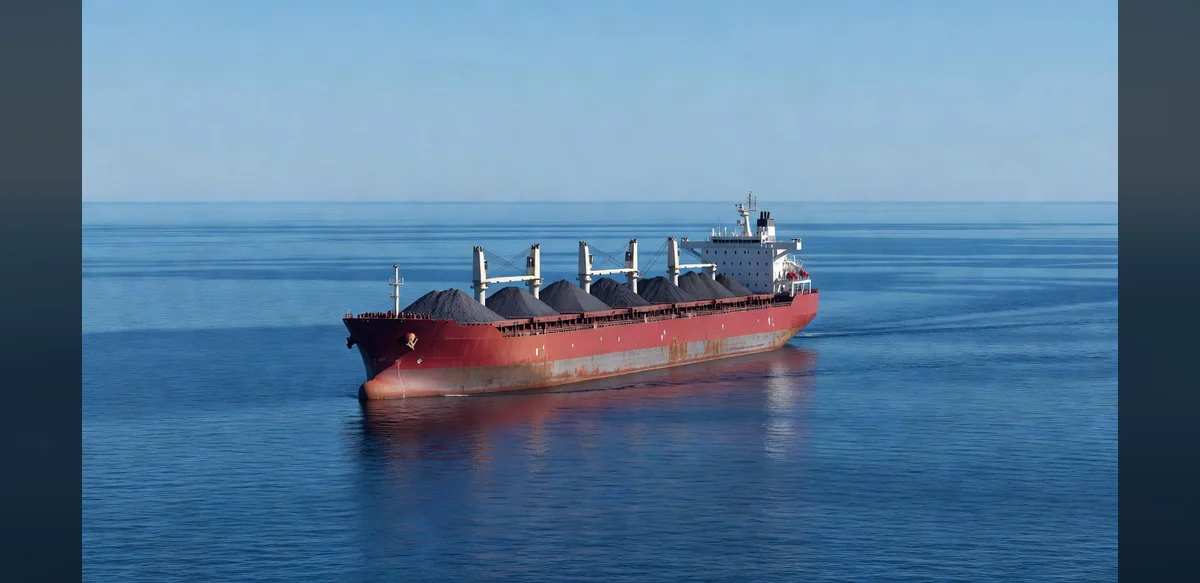
Market observers have noted continued strong demand for high-quality Japanese-built ships as one private owner completes the sale of a relatively young Capesize bulk carrier. The transaction, reported this week, involved a vessel approximately four years old that changed hands for 78 million dollars. The seller is identified as Doun Kisen, a company controlled by the Okochi family and regarded as one of the larger private providers of tonnage in Japan.
Industry sources indicate that the firm manages a fleet of roughly twenty vessels and has decided to reduce its holdings through this disposal. The buyer has not been publicly named, yet the price achieved underscores the premium international purchasers are willing to pay for modern tonnage constructed in Japanese yards. Recent sales data suggest that values for similar ships have been rising steadily amid limited supply of newbuildings and sustained interest from operators seeking reliable, fuel-efficient units.
Capesize vessels, typically employed in the transport of iron ore and coal, remain central to global dry-bulk trade flows. A four-year-old unit represents a relatively young asset with many years of service life ahead, making it attractive to both operators and investors. The reported price of 78 million dollars reflects current market conditions in which Japanese-built ships command a noticeable premium over comparable tonnage from other shipbuilding nations.
Doun Kisen has maintained a low public profile while steadily expanding and renewing its fleet over the past decade. The decision to sell one vessel does not appear to signal a broader strategic retreat from shipping; rather, it aligns with routine portfolio management practiced by many private owners. Proceeds from the transaction could support the acquisition of newer units or the funding of ongoing operational requirements.
Market analysts point out that appetite for Japanese tonnage has remained resilient even as global economic uncertainties persist. Buyers cite superior build quality, strong residual values, and favorable financing terms as key reasons for preferring these vessels. The current sale adds to a series of recent deals in which Japanese owners have realized significant returns on relatively modern ships.
No official comment has been issued by either the seller or the buyer regarding future fleet plans. Brokers involved in the transaction have described the process as straightforward, with the vessel passing inspection without notable issues. Delivery is expected to occur in the coming weeks, subject to standard closing procedures.
The broader dry-bulk sector continues to monitor second-hand prices closely, as they serve as an indicator of overall sentiment. While freight rates have fluctuated with seasonal demand patterns, asset values for quality tonnage have shown greater stability. This latest sale reinforces the perception that well-maintained Japanese ships retain strong market appeal.
Observers will watch whether additional vessels from the same owner or other Japanese fleets enter the market in the near term. Any further transactions could provide additional data points on pricing trends for modern Capesize units. For now, the reported 78-million-dollar figure stands as one of the higher values recorded for a vessel of this age and specification in recent months.
Shipping finance professionals note that such deals often involve a mix of equity and bank financing, with Japanese export credit agencies sometimes participating when the buyer is based outside Japan. The precise funding structure for this purchase remains undisclosed. Regardless of the financing details, the outcome demonstrates sustained international confidence in Japanese-built tonnage.
The transaction also highlights the role of private Japanese owners in supplying modern tonnage to the global fleet. Companies such as Doun Kisen have historically maintained conservative operating practices, focusing on long-term charters and careful vessel selection. The current sale fits within that framework of disciplined asset management.
Market participants expect continued interest in similar vessels as operators seek to balance fleet renewal with cost considerations. The 78-million-dollar price achieved this week may serve as a reference point for upcoming negotiations involving other four- to five-year-old Capesize ships. While individual deals vary according to specification, condition, and charter status, the overall direction of values appears upward for premium Japanese units.
No regulatory or legal complications have been reported in connection with the sale. Standard international maritime protocols will govern the change of ownership and registration. The vessel is expected to continue trading in the same segment of the dry-bulk market after the handover.
In summary, the reported transaction illustrates ongoing strength in the second-hand market for quality Japanese tonnage. At 78 million dollars, the four-year-old Capesize vessel represents a significant investment that reflects both current asset values and buyer confidence in the durability and performance of ships built in Japan. Further updates may emerge as additional details become available from industry sources.


