

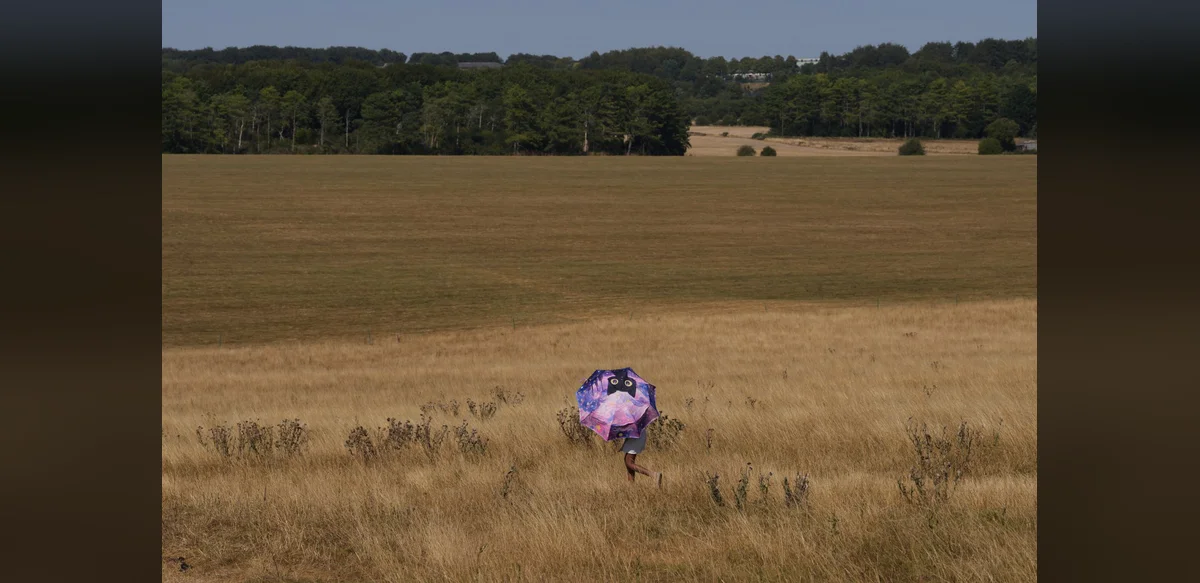
Firefighters in France and central England worked through the day to contain several outbreaks of wildfire. A fresh period of unusually high temperatures has affected large parts of the continent and left vegetation extremely dry.
Officials in Paris reported that crews responded to multiple incidents across several regions. The combination of heat and low moisture in the ground made control efforts more difficult than usual. Similar challenges were noted in parts of central England where teams battled separate fires.
Meteorological services across Europe have recorded temperatures well above seasonal averages in recent days. The prolonged dry spell has reduced water content in forests and fields, allowing flames to spread more rapidly once ignited.
Authorities have urged residents in affected areas to remain alert and follow local safety guidance. Evacuations were carried out in a number of locations as a precaution while ground and aerial resources were deployed.
The current heat episode follows earlier warm spells this season. Experts note that such conditions increase the likelihood of vegetation fires during summer months. Coordination between neighboring regions has been stepped up to share equipment and personnel where needed.
In France, national and local emergency services maintained round-the-clock operations. In England, fire services focused on containing the blazes before they could reach populated zones. Both countries emphasized the importance of public cooperation in reducing additional risks.
Weather forecasts indicate that elevated temperatures may persist for several more days. Monitoring stations continue to track humidity levels and wind patterns that could influence fire behavior.
Officials stressed that the situation remains fluid and that resources are being repositioned as incidents evolve. Updates will be provided through official channels as new information becomes available.
The broader European heat pattern has prompted similar preparedness measures in other countries. Cross-border information sharing is helping agencies anticipate where additional support might be required.
Residents are advised to avoid outdoor burning and to report any signs of smoke or flame immediately. Emergency hotlines remain active for those needing assistance or information.
While the immediate focus is on containment, longer-term discussions about land management and climate resilience are expected to continue among policymakers.
The events underscore the challenges posed by extended periods of high temperature and low rainfall during the summer season across western Europe.


