

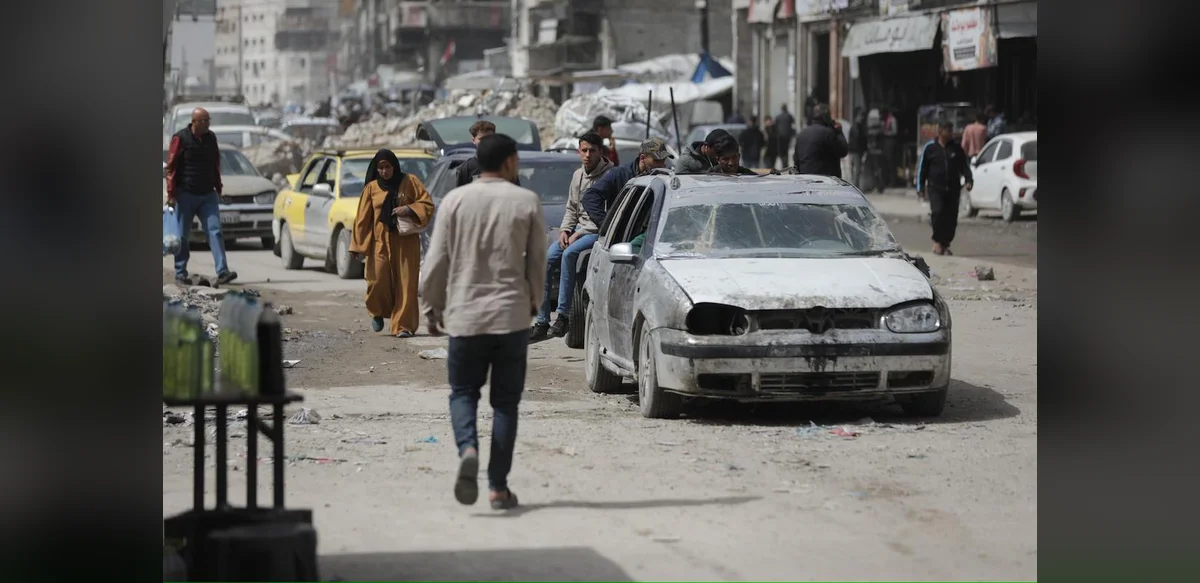
Médecins Sans Frontières has raised concerns that limits on the entry of engine oil and vehicle spare parts into Gaza are disrupting essential medical and humanitarian operations. The organization states that these restrictions are affecting the ability to maintain ambulances and other critical transport, which in turn impacts the delivery of care to those in need.
According to the group, many vehicles used for emergency response and patient transport have been grounded due to a lack of maintenance supplies. This situation has developed amid ongoing constraints on goods entering the territory, leading to reduced mobility for medical teams.
Staff members report that routine servicing of engines and replacement of worn components have become increasingly difficult. Without these materials, vehicles that once operated reliably now face frequent breakdowns, limiting responses to medical emergencies and the movement of supplies between facilities.
The restrictions are described as part of broader measures affecting a range of imported items. MSF notes that while some humanitarian goods are permitted, the specific categories of engine oil and spare parts have faced prolonged delays or outright blocks at entry points.
This has consequences for public health services, as hospitals and clinics rely on functioning transport to transfer patients, collect medical samples, and distribute medicines. Interruptions in these logistics chains can delay treatment and increase risks for vulnerable populations.
Local teams have adapted by prioritizing the most urgent cases and sharing limited resources among partners. However, these workarounds are viewed as temporary and insufficient for sustained operations over time.
MSF has called for clearer procedures and expanded access to allow the import of necessary maintenance items. The organization emphasizes that such supplies are not luxury goods but basic requirements for keeping essential services running.
Observers in the region note that similar challenges have affected other aid groups operating in the area. The cumulative effect is a gradual erosion of capacity to respond to both routine health needs and sudden surges in demand.
Background on the conflict shows that infrastructure supporting transport and logistics has been under strain for an extended period. Fuel availability, road conditions, and border procedures all play roles in determining what can be sustained.
Humanitarian agencies continue to document the specific items that are blocked and the resulting service gaps. These reports are shared with relevant authorities in hopes of facilitating adjustments to current policies.
In the absence of changes, MSF warns that further reductions in vehicle availability could lead to longer response times and fewer patients reached. The focus remains on maintaining neutrality and providing care based on need alone.
Discussions with international partners are ongoing to explore alternative sourcing or temporary solutions, though no immediate resolution has been confirmed. The situation underscores the interconnected nature of supply chains in conflict settings.
Residents in affected areas have expressed concern over the potential decline in emergency medical access. Ambulances that once arrived promptly are now less reliable, according to accounts from community members.
MSF reiterates its commitment to operating in the region while advocating for conditions that allow effective work. The group continues to monitor the impact of entry restrictions on all aspects of its programming.
Additional details from field assessments indicate that even small quantities of engine oil and basic parts could restore functionality to several vehicles. This would represent a meaningful improvement in operational reach.
The broader context includes efforts by multiple organizations to coordinate aid flows and reduce duplication. Yet the specialized nature of certain imports means that targeted exemptions or streamlined approvals may be required.
As the situation evolves, updates from MSF and similar entities will provide further insight into how restrictions are affecting daily life and service delivery. The emphasis stays on factual reporting and practical recommendations for improvement.


