

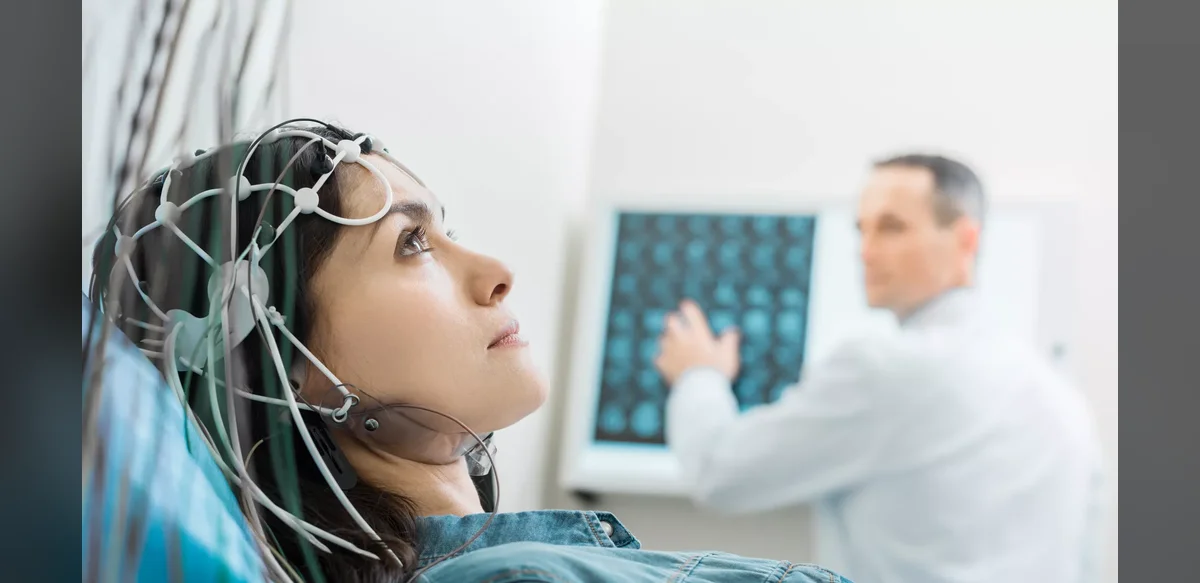
Stroke survivors frequently face ongoing challenges that affect movement, thinking, communication, and daily activities. Recent literature has examined how photobiomodulation, a non-invasive technique using specific wavelengths of light, might support rehabilitation efforts.
The approach involves applying low-level light to targeted areas of the body or head. Researchers suggest it may influence cellular energy production and reduce inflammation, potentially aiding neural repair processes. Multiple clinical investigations published in the past few years have tested its application across different post-stroke symptoms.
Motor function improvements appear in several reports. Participants receiving regular sessions showed gains in limb strength and coordination compared with control groups. Sessions typically lasted between 10 and 30 minutes and were administered over weeks or months. Safety profiles remained favorable, with minimal reported side effects.
Cognitive aspects also received attention. Some studies measured attention span, memory recall, and executive function. Results indicated modest benefits in certain cases, though larger trials are needed to confirm consistency. Speech and language recovery formed another focus area, with preliminary data pointing to possible enhancements when combined with conventional speech therapy.
The review highlights variations in treatment parameters across studies. Wavelengths ranged from red to near-infrared light, and dosage schedules differed. Standardization remains an ongoing discussion among clinicians and scientists. Patient selection criteria also varied, influencing how broadly findings can be applied.
Public health implications include potential cost savings if the method reduces long-term disability. Integration into existing rehabilitation programs would require training for therapists and equipment availability. Further research is examining optimal timing after stroke onset and combination with other interventions such as physical exercise or medication.
Limitations noted in the literature include small sample sizes and short follow-up periods. Blinding participants and evaluators presents practical difficulties. Future work aims to address these gaps through multicenter trials and objective outcome measures.
Overall, the body of evidence suggests photobiomodulation holds promise as an adjunct therapy. Continued investigation will clarify its role within comprehensive stroke care pathways. Healthcare providers are encouraged to monitor emerging publications for updated guidance on clinical use.


