

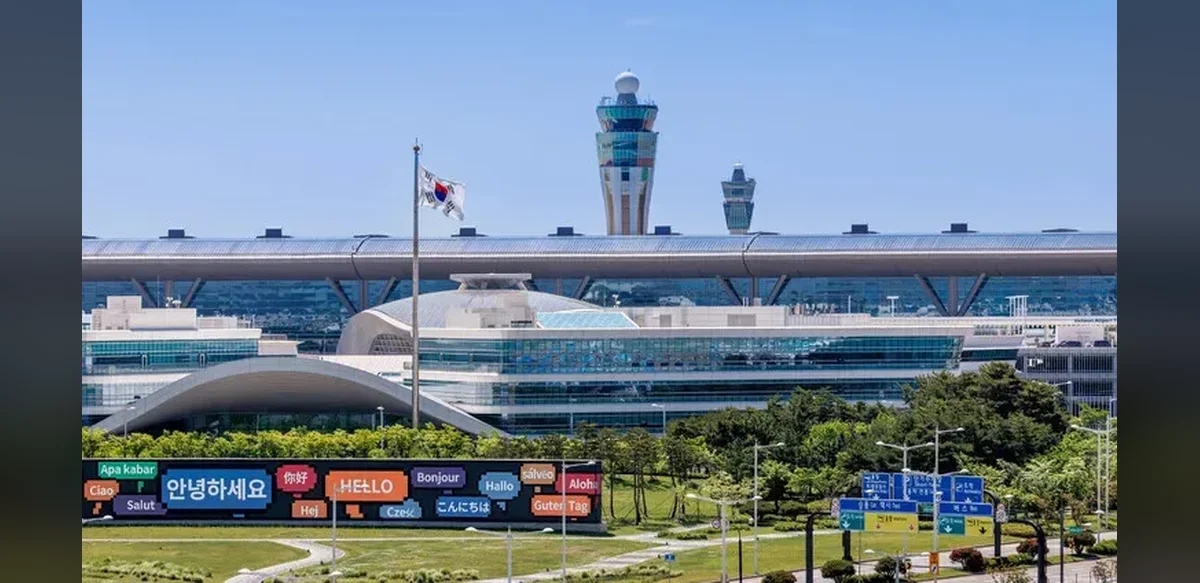
The global aviation sector has experienced shifts in passenger volumes during the first part of 2026. Incheon International Airport has reached the top position among international hubs according to available records for this period. This change results from lower traveler numbers at other major facilities including those located in Dubai and at Heathrow. The drop in activity at these sites stems from uncertainties affecting the Middle East region.
Observers note that such fluctuations can influence overall rankings when one location maintains steadier operations while others see declines. Incheon International Airport benefits from consistent international connections that support its current standing. The situation highlights how external regional factors may affect travel patterns across different continents.
Airports worldwide monitor these trends closely as they plan for future capacity and routes. The position of Incheon International Airport reflects its role in handling international traffic amid changing conditions elsewhere. Reduced volumes at Dubai and Heathrow have contributed directly to this outcome based on the reported data.
Further analysis of passenger statistics shows the impact of Middle East uncertainties on established hubs. Incheon International Airport has capitalized on this environment to secure its leading spot for the year so far. This development does not alter the underlying operations but adjusts comparative rankings among peers.
Industry reports emphasize the importance of stable regional conditions for maintaining high traffic levels. The current ranking for Incheon International Airport serves as an example of how such stability can lead to prominence in global lists. Continued monitoring will determine if this position holds through the remainder of 2026.
Travelers and airlines alike pay attention to these updates when selecting routes and destinations. The rise of Incheon International Airport underscores the interconnected nature of international aviation networks. Factors originating in one area can produce measurable effects on distant facilities through shifts in demand.
Data collection methods for these rankings focus on international passenger movements exclusively. Incheon International Airport meets the criteria through its extensive flight offerings and handling capacity. The attributed cause remains the passenger decreases observed at competing locations due to the specified regional issues.
This pattern may prompt discussions among aviation authorities regarding resilience strategies. Incheon International Airport demonstrates how consistent performance can elevate a facility in annual assessments. The neutral reporting of these facts avoids speculation on future outcomes.
Overall the aviation community views the current standings as a snapshot influenced by multiple variables. Incheon International Airport occupies the foremost place among international hubs for the period examined in 2026. Attribution points squarely to reduced activity at Dubai and Heathrow linked to Middle East uncertainties.
Additional context from similar past events suggests that temporary disruptions can reshape short term rankings without permanent structural changes. The focus remains on factual passenger data rather than broader economic interpretations. Incheon International Airport continues its operations as the leading international hub based on the latest available figures.


