

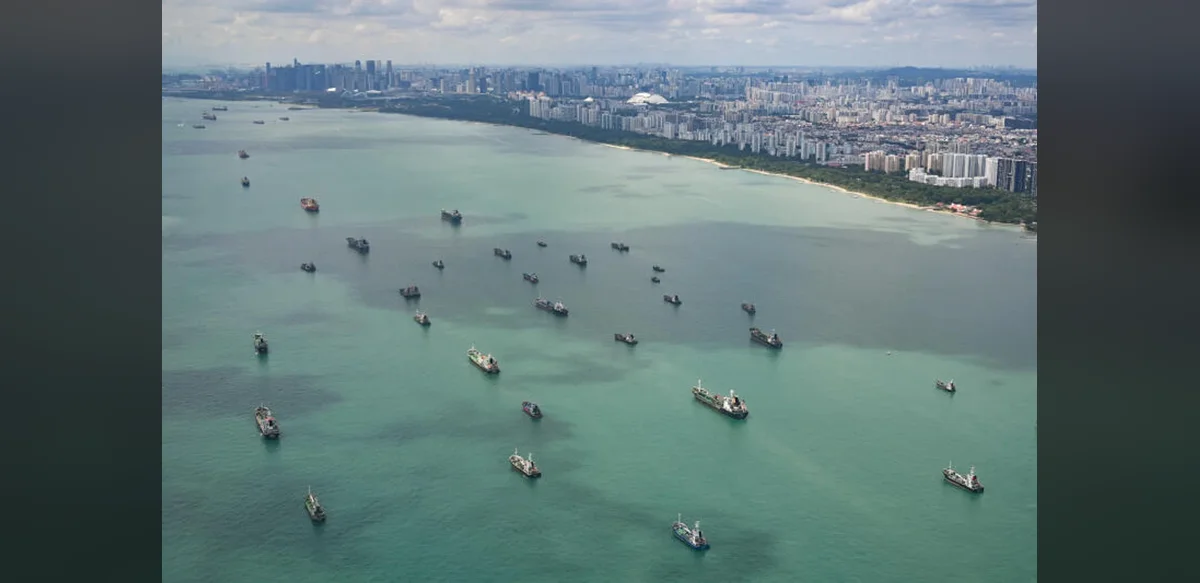
Singapore has recorded a modest uptick in marine fuel sales during July, a development that aligns with ongoing strength in regional shipping operations. The latest figures show sales rising by 1.3 percent compared with the previous month, reaching a total volume slightly above 4.5 million tonnes. This incremental growth underscores the continued importance of the city-state as a key refueling destination for vessels traversing major trade routes.
Marine fuel, commonly known as bunker fuel, plays a central role in supporting international maritime transport. Singapore maintains its position as one of the world’s leading bunkering hubs due to its strategic location along busy shipping lanes. The recent sales data reflects steady demand from commercial fleets that rely on the port for efficient refueling stops.
Industry observers note that even small percentage increases in monthly volumes can signal broader stability in global trade flows. With shipping activity remaining resilient, the port continues to handle substantial throughput of container ships, tankers, and bulk carriers. The 1.3 percent month-on-month rise to more than 4.5 million tonnes provides a snapshot of this sustained operational tempo.
Port authorities and fuel suppliers coordinate closely to ensure reliable delivery of marine fuels meeting international quality standards. Such coordination helps maintain Singapore’s reputation for dependable service. The July performance builds on this established framework without introducing dramatic shifts in volume.
Economic analysts view marine fuel sales as one indicator among many that together paint a picture of trade health. While the increase remains modest, it occurs against a backdrop of consistent vessel calls at the port. This consistency supports ancillary services including logistics, maintenance, and crew support.
The data release highlights how incremental changes can accumulate over time to reflect larger patterns in maritime commerce. Singapore’s ability to accommodate varying demand levels stems from extensive infrastructure investments made over previous decades. Facilities at the port are designed to manage high volumes efficiently.
Stakeholders in the shipping sector monitor these monthly statistics for signs of momentum or slowdown. The current reading of slightly more than 4.5 million tonnes suggests no immediate disruption to routine operations. Instead, it points to a measured continuation of established activity levels.
Environmental considerations also factor into discussions around marine fuel usage, with gradual transitions toward lower-emission options underway globally. Singapore participates in these broader conversations while continuing to supply conventional grades that meet current regulatory requirements. The July sales volume demonstrates ongoing relevance of traditional bunkering services.
Overall, the reported figures reinforce Singapore’s enduring role in facilitating international shipping. The 1.3 percent monthly gain, while not substantial, confirms that demand persists at a healthy baseline. Future updates will reveal whether this trend extends into subsequent periods.
Market participants remain attentive to external influences such as fuel price fluctuations and geopolitical developments that could affect volumes. For now, the July outcome stands as evidence of stable conditions supporting steady refueling activity at one of Asia’s premier maritime centers.


