


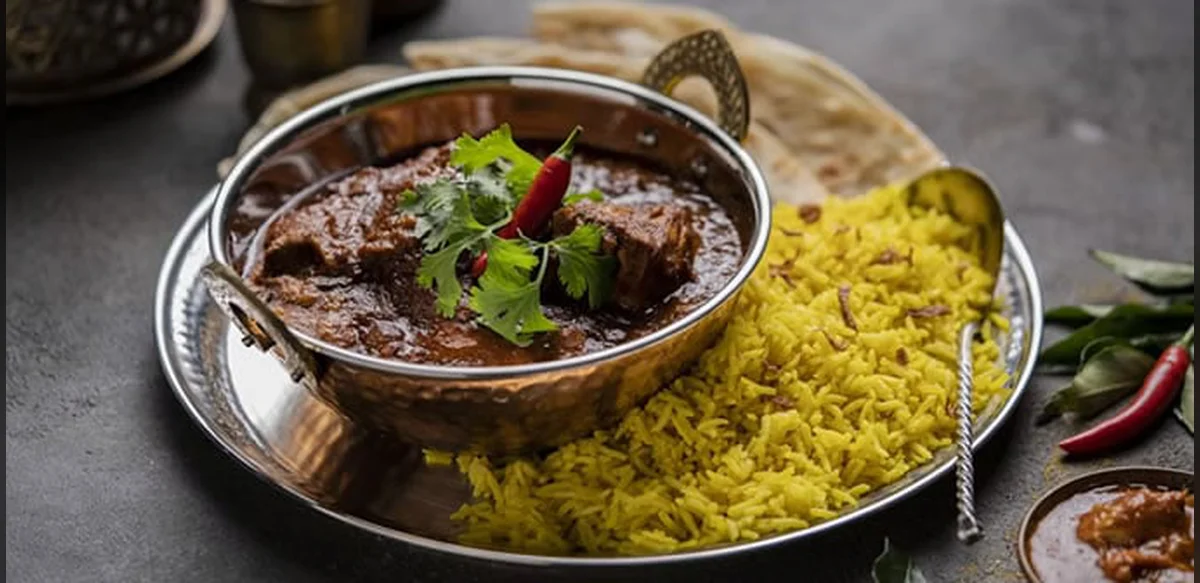
For many British South Asians, curry represents family, celebration, tradition and cultural identity. Yet discussions increasingly link South Asian cuisine to higher rates of type 2 diabetes, heart disease and fatty liver disease. The question arises whether generational eating habits contribute to these conditions. Evidence shows South Asian populations face elevated risks of type 2 diabetes and cardiovascular issues compared with White Europeans, often at younger ages and lower body mass index levels. This stems from complex factors including genetics, body composition, family history, lifestyle, physical activity, diet and broader social influences rather than any single food. Experts note that standard weight measures can mask internal metabolic changes. South Asians tend toward central fat storage around organs, raising insulin resistance risks. Health guidelines therefore apply lower BMI thresholds for assessment in these groups, starting at 23 for overweight. Waist measurements offer further insight, with recommendations below 90cm for men and 80cm for women. South Asian cuisine includes vegetables, pulses, spices and grains that align with balanced eating advice. Cultural sensitivity in dietary guidance allows traditional foods to remain part of healthy lifestyles without requiring abandonment of heritage.

