

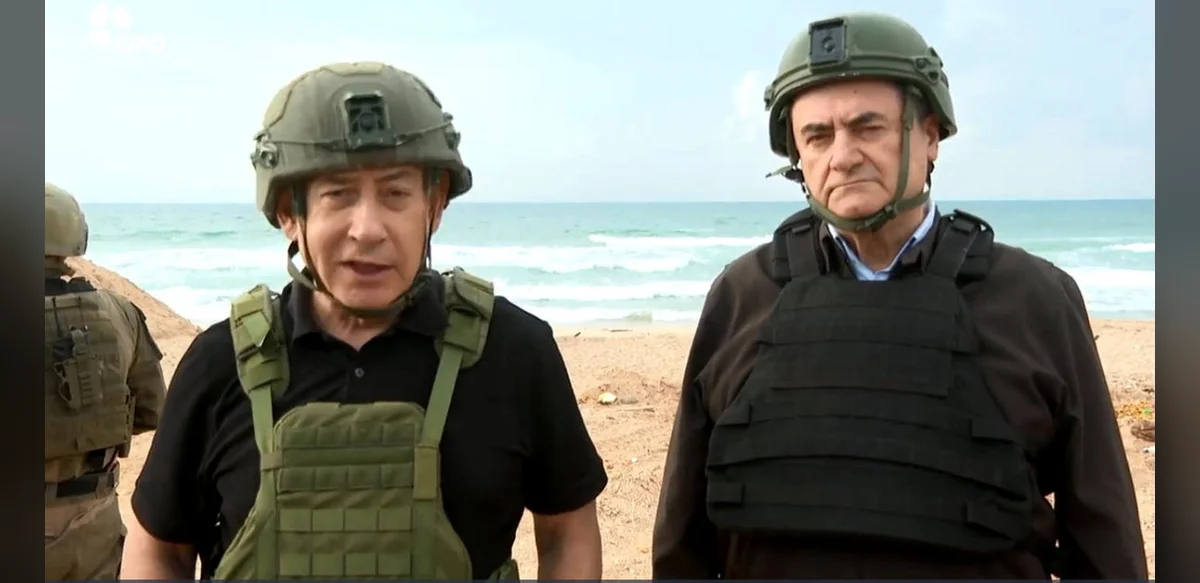
Recent developments in Israeli politics have placed renewed attention on the role of the defense minister and how party affiliations influence decision making. The individual in question, previously occupied with internal party matters, now has additional capacity to direct military resources toward enhancing the standing of the ruling party ahead of upcoming elections.
Observers note that this shift could lead to greater integration of political objectives into operational military planning. Such an approach raises questions about the separation between national security priorities and electoral strategies. Analysts suggest that resources allocated for defense might increasingly serve dual purposes, supporting both operational needs and public perception campaigns.
The broader context involves ongoing regional tensions that require consistent focus on security protocols. Any diversion toward partisan goals may affect readiness and public trust in institutions. Historical patterns in various democracies show that blending military functions with political campaigning can create challenges for accountability and transparency.
Experts in international relations emphasize the importance of maintaining clear boundaries. When defense leadership aligns closely with party agendas, it can influence procurement decisions, deployment strategies, and public communications. This alignment might streamline certain processes but risks undermining the perception of impartiality in critical institutions.
Public discourse on the matter highlights concerns from opposition figures and civil society groups. They argue that security policy should remain insulated from electoral cycles to ensure decisions reflect long term national interests rather than short term political gains. Supporters of the current approach counter that effective governance requires coordination across domains, including defense and political messaging.
Looking ahead, the implications for military morale and international partnerships warrant close monitoring. Allies often assess the stability and focus of defense leadership when evaluating cooperation agreements. Any perceived politicization could introduce uncertainties into these relationships.
In summary, the evolving responsibilities of the defense minister illustrate the complex interplay between politics and security in contemporary governance. Maintaining equilibrium between these spheres remains essential for institutional integrity and effective policy outcomes.


