

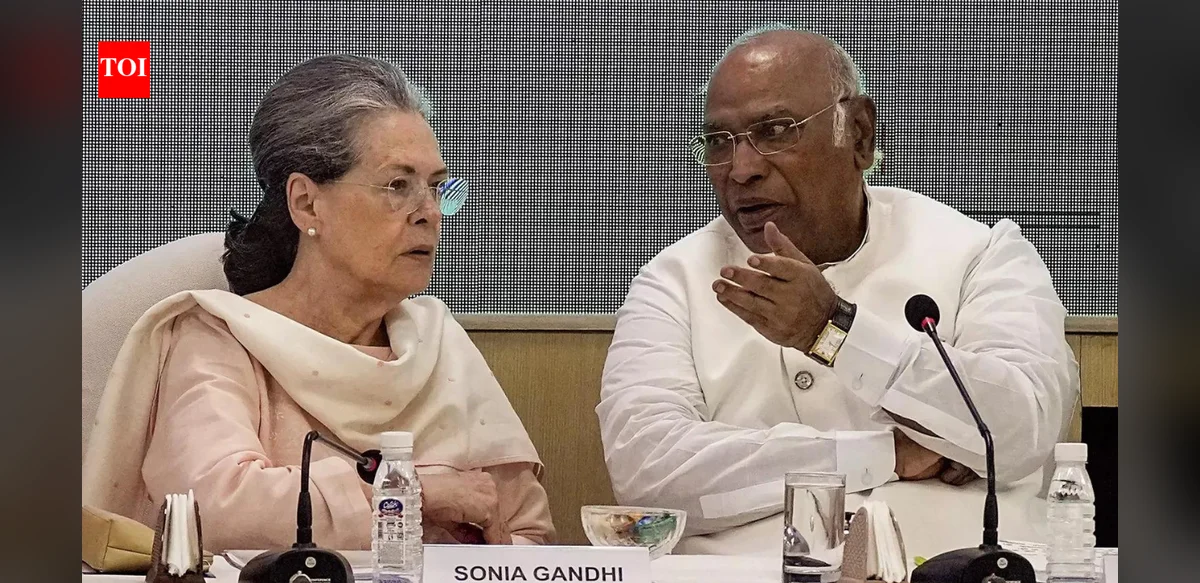
A political disagreement surfaced recently concerning the performance of the complete version of the national song during an event organized by the main opposition party to mark Independence Day. Reports indicate that the ruling party leveled accusations against a senior opposition leader for raising concerns about singing the full rendition. The opposition has firmly denied these claims and offered an alternative explanation for the discussion that took place.
The incident occurred in the national capital during preparations and proceedings related to the annual commemoration. According to statements from the ruling side, the former opposition president voiced reservations about including every stanza of the song in the program. This led to immediate rebuttals from the opposition camp, which maintained that the comments were not directed at the song itself but rather at logistical arrangements for another prominent figure within the party.
Observers note that such exchanges highlight ongoing tensions between the two major political formations ahead of upcoming electoral cycles. The ruling party has used the episode to question the opposition’s commitment to national symbols, while the opposition insists the narrative is being twisted for partisan advantage. Both sides have issued detailed clarifications through official channels and media interactions.
The national song holds significant historical importance and is traditionally performed at official functions across the country. Its rendition at political events often carries symbolic weight, making any perceived deviation a potential flashpoint. In this case, the full version reportedly includes additional verses beyond the commonly sung opening lines, which some participants felt required clarification on protocol.
The opposition countered by stating that the senior leader was primarily focused on ensuring proper seating and recognition for the current party president during the proceedings. This explanation frames the exchange as a routine organizational matter rather than any ideological stance on the song. Party spokespersons emphasized that respect for national heritage remains a core principle for all involved.
Political analysts suggest the row may serve as an early indicator of campaign rhetoric in the months ahead. Both formations have a history of leveraging cultural and nationalistic themes to mobilize support. The current episode adds to a series of verbal sparring matches that have characterized recent parliamentary sessions and public statements.
No formal complaints or official inquiries have been initiated regarding the matter, and it appears confined to media statements and social media commentary. Participants at the event have largely avoided further escalation, focusing instead on their respective organizational priorities. The episode underscores how even minor procedural discussions can quickly become politicized in the current climate.
Public reaction has been mixed, with supporters of each side defending their leaders’ positions through online platforms and local gatherings. Neutral voices have called for greater focus on substantive policy issues rather than symbolic disputes. The event itself proceeded without disruption, and the song was performed according to the final program schedule.
In summary, the disagreement centers on differing interpretations of a brief exchange during event planning. The ruling party maintains its initial accusation, while the opposition provides context aimed at clarifying intent. Both continue to present their versions to the public as the discussion remains active in political circles.


