

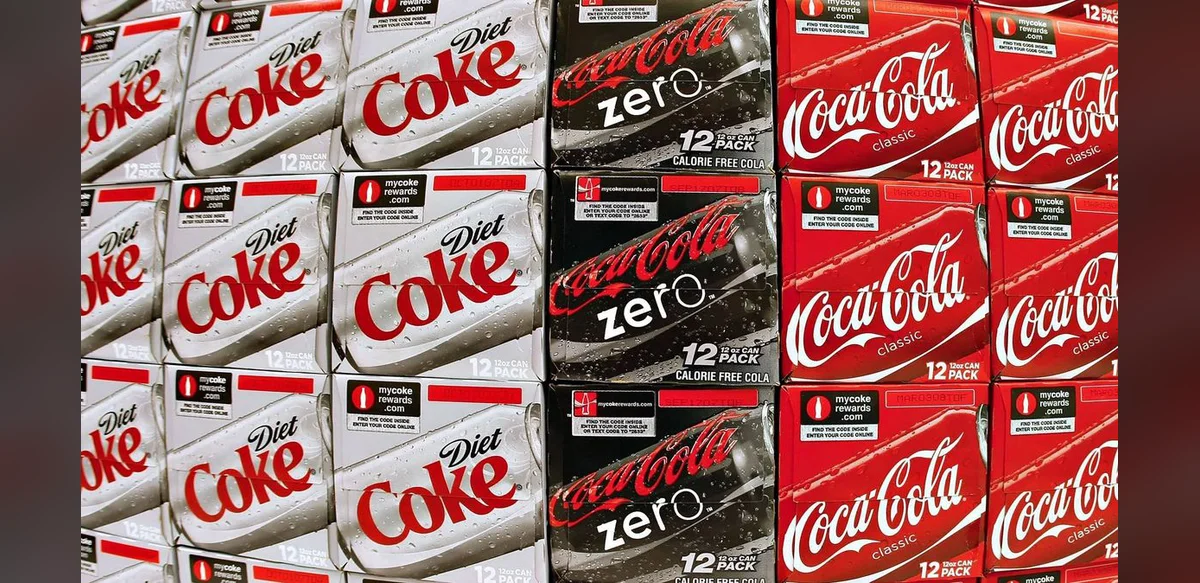
Diet Coke and Coke Zero represent two prominent options in the category of sugar-free carbonated beverages that have gained widespread popularity globally. Although both products are marketed as alternatives to traditional sugary sodas, they differ in several key aspects including formulation, flavor profile, and consumer positioning.
The beverages share a common goal of delivering a cola taste without the calories associated with sugar. However, their recipes have been developed separately over time to appeal to distinct preferences among consumers seeking low-calorie refreshment options. This distinction arises from variations in the sweeteners and flavor compounds used during production.
Ingredients play a central role in setting the two apart. Both rely on artificial sweeteners to achieve their sugar-free status, yet the specific combinations and additional components create subtle differences in mouthfeel and aftertaste. These elements are adjusted through extensive testing to meet targeted sensory expectations.
Taste comparisons often highlight that one version tends to align more closely with the profile of the original cola drink, while the other offers a lighter or distinct note. Such variations stem from ongoing refinements in how the products are blended and carbonated, influencing the overall drinking experience.
From a health perspective, both fall under the umbrella of beverages designed for those monitoring calorie intake or managing weight. They contain no sugar, which aligns with guidelines from nutrition experts recommending reduced consumption of added sugars for general wellness. Public health discussions frequently reference these options when addressing broader topics like obesity prevention and balanced dietary choices.
Market availability extends across numerous regions, reflecting their status as globally recognized brands. Availability in different packaging formats allows consumers flexibility based on convenience and portion control needs. This widespread distribution supports their role in everyday beverage selections.
Consumer research indicates varying loyalty patterns, with some individuals preferring one over the other due to personal taste sensitivities or brand familiarity developed over years. These preferences can evolve as formulations receive periodic updates to incorporate new sweetener technologies or address feedback.
Regulatory standards in various countries require clear labeling of ingredients and nutritional information, enabling informed decisions. This transparency helps users understand the composition and make selections aligned with their dietary requirements or restrictions.
In summary, while Diet Coke and Coke Zero both serve as sugar-free cola alternatives, their unique developments result in noticeable differences that cater to diverse consumer needs. Continued innovation in the beverage sector may lead to further adjustments, maintaining their relevance in discussions around nutrition and public health strategies worldwide.
Additional context on the history of these products shows they emerged during periods when demand for reduced-calorie options increased significantly. Manufacturers responded by creating dedicated lines that avoided traditional sugar while preserving the familiar cola essence through alternative means.
Ongoing studies in medical research examine the effects of artificial sweeteners on metabolism and long-term health markers. Findings contribute to evolving recommendations from health authorities regarding moderate consumption as part of varied diets.
Environmental considerations also enter conversations about production and packaging, with efforts focused on sustainable materials and reduced resource use. These aspects complement the core focus on product differentiation and consumer health alignment.
Overall, the comparison underscores how small formulation changes can influence perception and utility in daily routines. Individuals interested in these beverages are encouraged to review current labels for the most accurate details on ingredients and nutritional values.


