

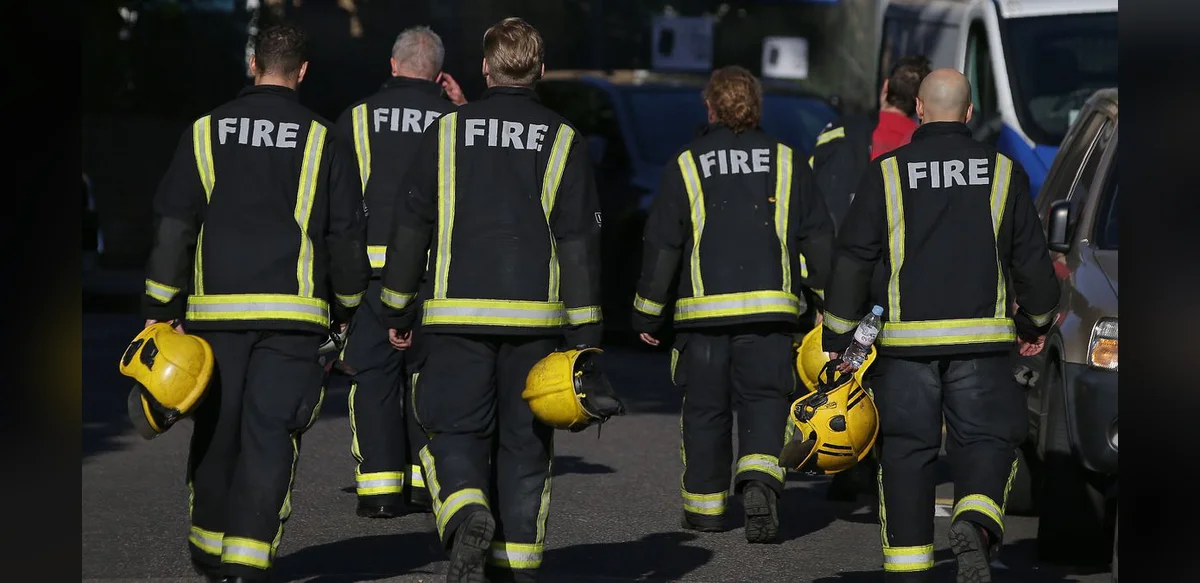
New data has emerged regarding the lasting effects of a major high-rise fire that occurred in 2017. Information released through official channels indicates that thirty members of the London Fire Brigade have received diagnoses of post-traumatic stress disorder connected to their involvement in the response efforts.
Of those affected, twenty-seven are frontline firefighters while the remaining three work as emergency call handlers. These figures come from records obtained via public information requests and highlight the psychological toll on emergency service workers.
The incident in question involved a residential tower in west London where a fire spread rapidly through the structure. Responders faced intense conditions over an extended period, leading to significant challenges both during and after the event.
Mental health support for emergency personnel has become an increasing focus in recent years. Organizations responsible for public safety now recognize that exposure to traumatic scenes can result in long-term conditions requiring professional intervention.
Post-traumatic stress disorder is a recognized medical condition that can develop following exposure to severe stress or danger. Symptoms may include flashbacks, anxiety, sleep disturbances, and difficulty concentrating, all of which can impact an individual’s ability to perform daily tasks or continue in their professional role.
The London Fire Brigade has implemented various programs aimed at assisting staff who experience such issues. These include counseling services, peer support networks, and training to help identify early signs of distress among colleagues.
Public information laws allow citizens to request details from government bodies, promoting transparency in how institutions handle crises and their aftermath. In this instance, the data provides insight into the scale of mental health impacts within one specific emergency service.
Experts in occupational health stress the importance of ongoing monitoring for those who respond to large-scale disasters. Early detection and treatment can improve outcomes and help maintain the operational readiness of essential services.
The 2017 event remains a significant reference point in discussions about building safety standards and emergency preparedness. While physical recovery efforts have progressed, the psychological consequences continue to affect individuals years later.
Support systems for firefighters and control room staff are evolving to address these needs more effectively. Regular assessments and access to specialized care form part of broader strategies to safeguard workforce well-being.
This situation underscores the human element behind emergency responses. Beyond the immediate dangers faced on the ground, the enduring mental health effects represent a critical area requiring sustained attention from authorities and support organizations alike.
Further details on individual cases remain confidential to protect privacy. Aggregate statistics such as these offer a measured view of the overall impact without disclosing personal information.
Continued research into trauma responses among first responders may lead to improved protocols in the future. Lessons drawn from past incidents can inform training and resource allocation to better prepare teams for similar challenges.
The figures released serve as a reminder of the comprehensive demands placed on fire and rescue services. Addressing both physical and mental aspects of the job is essential for sustaining effective public protection over time.


