

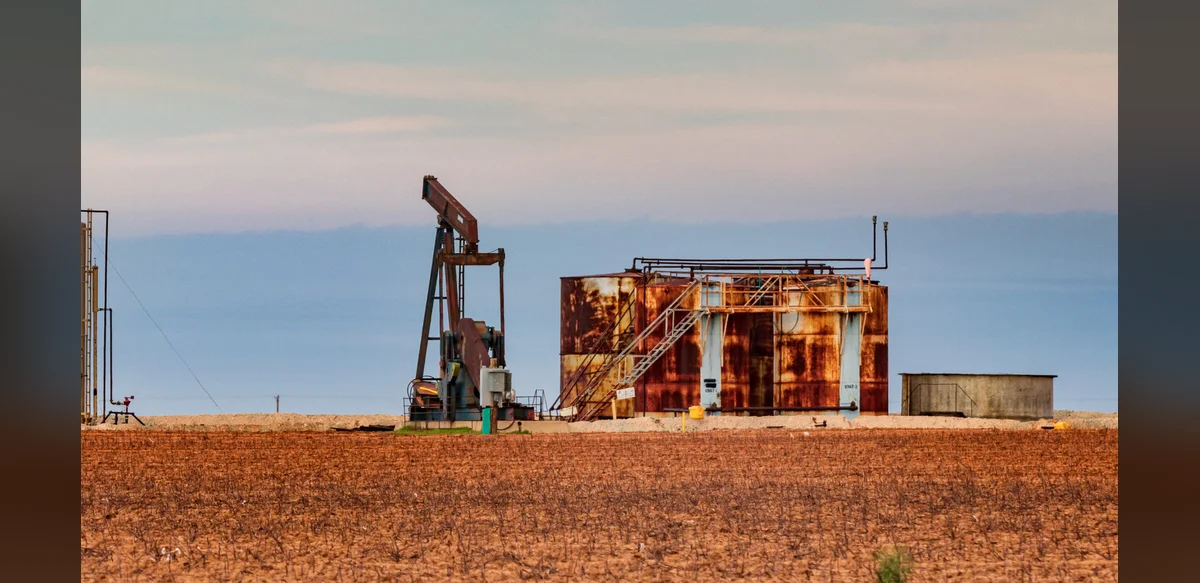
Recent reports have drawn attention to challenges in managing environmental impacts from oil drilling operations. One executive named Tom Ragsdale has connections to a firm linked with a minimum of sixteen leakage incidents at various sites. The same individual and associated business have not settled required royalty payments or rental fees due to state authorities.
This situation illustrates broader questions about accountability in the energy extraction sector. Legal structures sometimes allow operators to shift the burden of remediation for contaminated locations onto public resources. Details indicate that multiple spill events occurred under the oversight of the mentioned company without full resolution of financial obligations.
Authorities continue to examine such cases to determine appropriate steps for site restoration. The unpaid amounts represent additional layers of fiscal responsibility that remain outstanding. Observers note that these patterns may affect how future drilling permits are evaluated and enforced.
Public interest in these matters stems from concerns over long-term environmental effects and taxpayer involvement in cleanup processes. The specific incidents tied to the executive’s operations underscore the need for clearer guidelines on liability transfer. State records show the royalties and fees have accumulated without payment over time.
Further review of drilling site management practices reveals that responsibility for leaks can involve complex corporate arrangements. In this instance, at least sixteen documented spills have been attributed to the company in question. Efforts to recover costs from the responsible parties have not yet yielded complete results.
The overall framework governing oil operations includes provisions that can limit direct executive exposure in certain scenarios. This allows some costs associated with environmental repairs to fall under governmental purview. The case of the unpaid royalties adds to the list of unresolved matters connected to the same entity.
Stakeholders in regulatory bodies are assessing whether adjustments to existing rules could improve oversight. The leaks from the drilling locations highlight potential gaps in enforcement mechanisms. Tom Ragsdale’s firm stands as an example in discussions about how such responsibilities are allocated.
Additional context from available documentation confirms the minimum count of sixteen spills without indicating further details on each event. The absence of royalty and rental fee payments compounds the financial aspects of the situation. Neutral analysis of these elements focuses on factual records rather than speculation about intent or outcomes.
Industry practices in handling post-operation site conditions often involve legal reviews to establish who bears final costs. Here, the transfer of cleanup duties appears facilitated by current statutes. The state continues to pursue collection of the owed amounts alongside addressing the spill sites.
This example contributes to ongoing conversations about balancing operational freedoms with environmental protections. The executive’s involvement with the company provides a concrete reference point for examining these dynamics. All information remains limited to the reported spills and payment shortfalls without extension to unrelated matters.


