

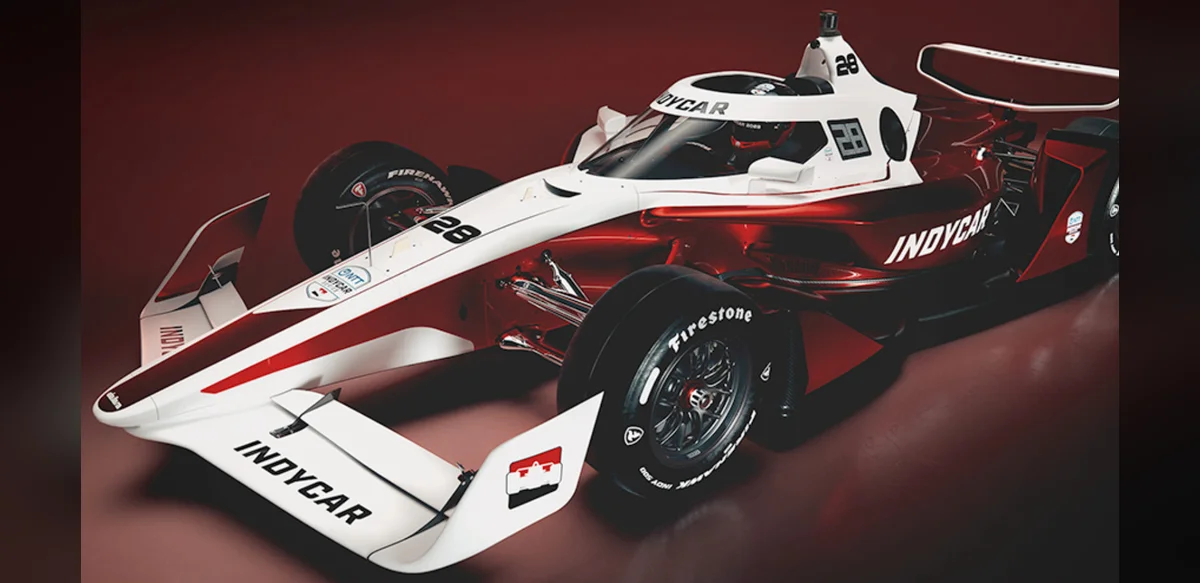
The question of how IndyCar might gain ground against Formula One raises several points about competition in motorsport. Observers often point to differences in tracks, vehicle design, media presentation, and overall fan engagement as key areas. This discussion remains hypothetical, focusing on structural and strategic elements rather than specific events.
Tracks play a central role in any racing series. Formula One benefits from a global calendar that includes historic circuits and purpose-built facilities in major cities. IndyCar has a mix of oval tracks, road courses, and street circuits primarily in North America. Expanding the schedule to include more international venues could broaden appeal, though logistical and regulatory hurdles would need careful navigation. Venue variety might attract new audiences while maintaining the series’ traditional strengths.
Vehicle specifications also influence viewer interest. IndyCar cars emphasize close racing and durability on varied surfaces. Formula One vehicles feature advanced aerodynamics and hybrid power units that deliver high performance. Adjustments to IndyCar rules could emphasize technological innovation without compromising safety or cost control. Such changes might involve partnerships with manufacturers to develop more efficient engines or improved chassis designs that highlight driver skill.
Broadcast quality affects how races reach audiences. Formula One productions often include multiple camera angles, data overlays, and expert commentary that enhance the viewing experience. IndyCar broadcasts have improved in recent years but could further integrate real-time statistics and behind-the-scenes segments. Enhanced digital platforms might allow fans to customize their viewing, increasing engagement across different demographics.
Fan experience extends beyond the track itself. Merchandise, interactive apps, and community events contribute to loyalty. IndyCar could develop targeted marketing that emphasizes accessibility and regional pride. Collaborations with automotive brands for promotional activities might raise visibility without altering core competition rules.
Cost management remains important for long-term sustainability. Both series face pressures from rising expenses in technology and travel. IndyCar’s emphasis on controlled budgets has helped smaller teams compete. Maintaining this balance while introducing selective advancements could strengthen the series’ competitive edge.
Driver development pathways influence talent pools. IndyCar draws from open-wheel traditions and feeder series in the Americas. Formula One recruits globally through junior programs. Strengthening ties with karting and regional championships could ensure a steady supply of skilled competitors.
Regulatory frameworks shape how series evolve. Safety standards, technical regulations, and environmental considerations require ongoing attention. IndyCar might explore sustainable fuels or electric components in line with broader industry trends, aligning with public interest in cleaner transportation.
Overall, any strategy would require coordinated efforts among organizers, teams, sponsors, and venues. Incremental improvements across multiple areas could gradually increase IndyCar’s profile. The discussion highlights opportunities for growth while respecting the distinct identities of each championship.


