

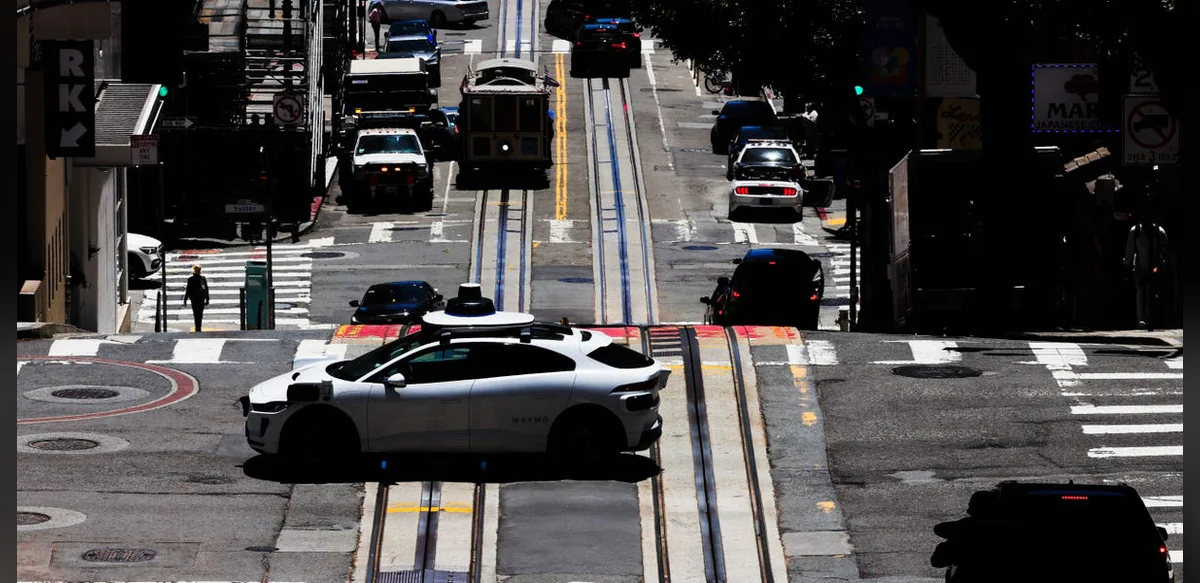
Recent data indicates that one leading autonomous vehicle service has captured a share of gross bookings in the high teens across three major metropolitan areas. The figures cover San Francisco, Los Angeles, and Phoenix, reflecting growing adoption of the technology in those locations. Analysts note that this level of market presence marks a meaningful step for the operator, though broader implications continue to draw attention from industry observers.
The reported performance comes amid ongoing expansion of driverless ride options in urban environments. Riders in the mentioned cities have shown increasing willingness to use the service for daily commutes and other trips. This trend aligns with gradual improvements in vehicle reliability and route coverage over recent periods. Market watchers emphasize that the high teens percentage represents a solid foothold without yet dominating overall activity in the regions.
Experts have pointed out that the consequences for human drivers operating conventional ride services stay difficult to assess at this stage. Several variables contribute to the uncertainty, including local regulations, rider preferences, and the pace of technology rollout. Some drivers may shift to different roles or areas, while others could see limited immediate change depending on demand patterns.
Industry reports suggest that total ride volumes in these cities have not declined sharply despite the presence of automated options. Instead, the data points to a mixed environment where both human-operated and automated services coexist. This situation allows for continued operation by traditional drivers even as automated fleets grow.
Further analysis highlights that booking shares can fluctuate based on time of day, weather conditions, and special events. The high teens range appears consistent across the three cities, though exact percentages vary slightly by location. Observers caution against drawing firm conclusions about long-term employment shifts without additional longitudinal studies.
Local transportation authorities continue to monitor developments closely. Their focus includes safety records, traffic flow impacts, and accessibility for all users. Public feedback gathered so far shows a range of opinions, with some residents appreciating the convenience of automated rides and others preferring interactions with human drivers.
The current market snapshot does not yet include nationwide figures or projections for additional cities. Expansion plans remain subject to regulatory approvals and infrastructure readiness in new areas. Companies involved stress the importance of measured growth to maintain service quality.
Overall, the situation reflects an evolving transportation landscape where data collection plays a central role. Continued observation will help clarify how automated services integrate with existing driver networks over time. Stakeholders from various sectors agree that transparency in reporting remains essential for informed discussions.
Additional context from economic studies indicates that ride-hailing markets in these cities have expanded in recent years. The introduction of automated vehicles adds another layer to this growth without immediately displacing all human participation. This balanced view supports ongoing dialogue among policymakers, operators, and workers.
In summary, the high teens share achieved by the autonomous service underscores its rising profile in targeted markets. At the same time, the absence of clear signals regarding effects on human drivers leaves room for further research and observation. Future updates are expected as more information becomes available through ongoing data gathering efforts.


