

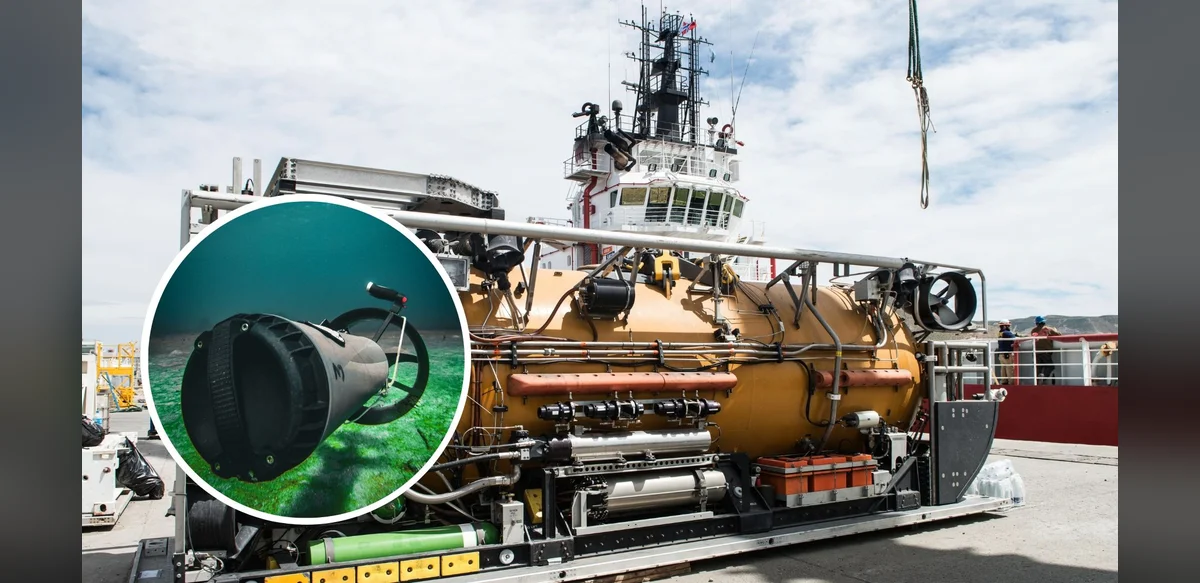
Allied forces from Australia and the United States have completed successful evaluations of advanced undersea and seabed systems as part of a large scale international maritime drill. The assessments focused on capabilities associated with the second pillar of the AUKUS security partnership and took place amid the world’s largest gathering of its kind.
The exercise provided a platform for practical demonstrations of subsea technologies designed to enhance situational awareness and operational effectiveness in maritime environments. Officials noted that the trials proceeded without incident and yielded valuable data on system performance under real world conditions.
Participants emphasized the collaborative nature of the effort, highlighting how joint activities strengthen interoperability between partner nations. The tests involved a range of equipment intended for operations beneath the ocean surface, including sensors and related platforms.
Such drills occur regularly to maintain readiness and refine techniques for seabed and subsea domains. The current round of evaluations built on prior work and allowed teams to observe how integrated systems function during extended periods at sea.
Observers from multiple countries attended portions of the event, underscoring the broad interest in maritime security developments. Results from the tests will inform future planning and refinement of technical approaches.
The overall exercise spans several weeks and encompasses numerous activities across air, surface, and subsurface domains. The subsea component represented one element within this wider program of activities.
Authorities stressed that all operations complied with international regulations and safety standards. Environmental considerations were incorporated into planning to minimize any potential impact on marine ecosystems.
Further details on specific equipment or outcomes remain limited due to the sensitive nature of the subject matter. Public statements focused on the successful completion of the scheduled evaluations rather than technical specifications.
This type of cooperation reflects ongoing efforts to address evolving challenges in the maritime sphere through shared resources and expertise. The partnership continues to explore avenues for advancing collective capabilities in undersea environments.
Additional phases of the exercise are expected to continue in the coming days, with more opportunities for allied forces to practice coordinated responses. The focus remains on building proficiency and ensuring that systems operate reliably when deployed.
In summary, the recent tests mark a step forward in validating subsea and seabed warfare tools within a multinational setting. The outcomes contribute to a growing body of knowledge that supports future maritime operations.
The scale of the drill allows for comprehensive assessment across varied scenarios, providing insights that individual national exercises might not capture as effectively. Coordination between the two nations has been described as seamless throughout the process.
Looking ahead, similar evaluations are anticipated as part of routine training cycles. These activities help maintain a high level of preparedness for any contingencies that may arise in the undersea domain.
Overall, the event demonstrated the practical application of partnership agreements in real operational contexts. Continued collaboration is expected to yield further advancements in relevant technologies and procedures.


