

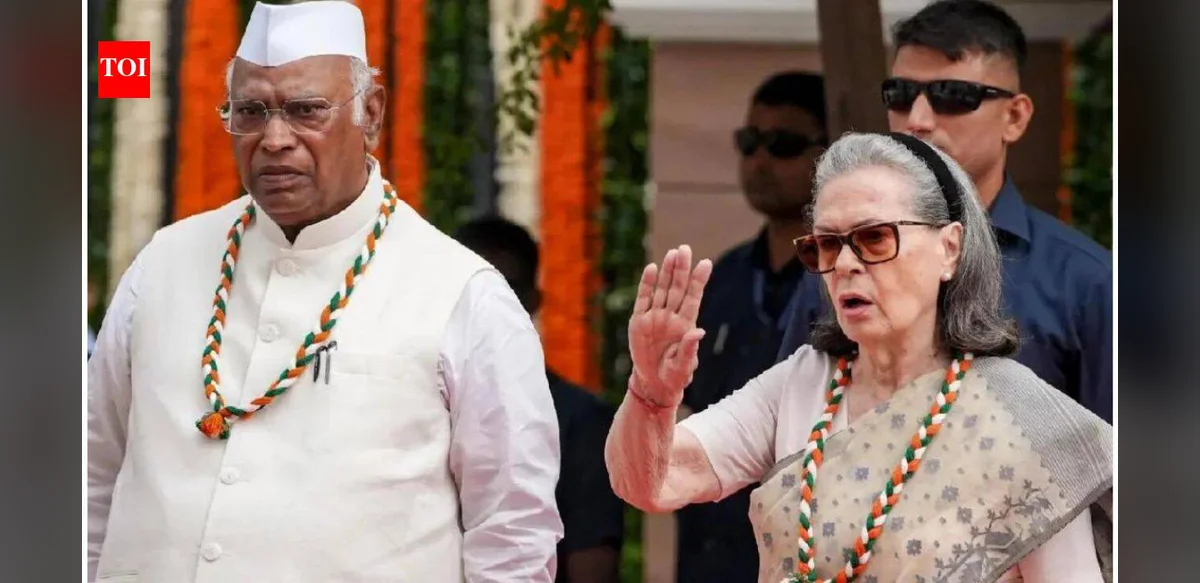
New Delhi: A political disagreement regarding the complete performance of the national song Vande Mataram during an event at the Congress party office on Independence Day has drawn attention through a family link to its creator. Sumitro Chatterjee, a legislator from the Bharatiya Janata Party representing Naihati, who is a direct descendant of Bankim Chandra Chattopadhyay, sent a letter to Sonia Gandhi on Saturday. In the communication, he called for an unqualified apology over remarks made in connection with the song.
The incident has highlighted ongoing discussions about the presentation of national symbols at political gatherings. According to the letter, the full version of the composition should be respected in its entirety when performed at official functions. Chatterjee emphasized the historical significance of the work and its role in the country’s cultural heritage.
Observers note that such exchanges reflect broader conversations about protocol and tradition during national celebrations. The Congress party has not issued an immediate public response to the request. Party representatives have previously stated that the song holds an important place in Indian history and is performed with due regard at appropriate occasions.
The correspondence comes at a time when political parties often reference historical and cultural elements in their public activities. Vande Mataram, originally written in the late nineteenth century, later became associated with the independence movement. Its verses have been the subject of periodic debate regarding length and context of use.
Chatterjee’s letter reportedly outlines specific concerns about the manner in which the song was referenced during the event. He requested that future observances adhere to established practices that honor the complete text. The legislator also suggested that an apology would help address any perceived slight to the legacy of the composition’s author.
Political analysts suggest that the exchange may remain limited to written correspondence unless further statements are released by either side. Both major parties have historically expressed respect for national symbols while differing on specific applications in contemporary settings.
The matter has prompted renewed attention to the origins of Vande Mataram and its place in public life. Educational and cultural institutions continue to study the work for its literary and historical value. Descendants of Chattopadhyay have occasionally participated in discussions about appropriate ways to present the song.
No additional details regarding the exact wording of the letter have been made public beyond the main request for an apology. The episode illustrates how cultural references can intersect with political activities during commemorative events. Officials from both parties are expected to continue their regular schedules without further immediate comment on the issue.
In the coming days, the focus may shift back to routine political matters unless new developments arise. The letter itself serves as a formal record of the descendant’s position on the matter. Public records show that similar requests regarding cultural symbols have been made in the past by various individuals and groups.
The overall tone of the communication is described as measured and focused on historical respect rather than partisan confrontation. Chatterjee has maintained that the request stems from a desire to preserve the integrity of the national song. Party colleagues have not yet commented extensively on the development.
This situation underscores the sensitivity surrounding national symbols in India’s diverse political landscape. Events marking Independence Day often include performances of patriotic songs, and variations in presentation can lead to differing interpretations. The current exchange remains contained within the framework of written correspondence between the involved parties.


