

Recent developments in Wisconsin have drawn attention from political observers across the country. A closely contested primary for governor featured a narrow win that highlighted both the competitiveness within the Democratic field and the level of participation among party supporters. Analysts note that the outcome reflects broader voter priorities centered on economic concerns such as household costs and a desire for shifts in leadership.
The primary contest took place amid ongoing national discussions about the upcoming midterm elections. Observers pointed to higher than typical engagement from Democratic voters as a signal of renewed focus on key issues. Turnout figures suggested that participants were motivated by topics including affordability of daily necessities and expectations for policy adjustments at the state level.
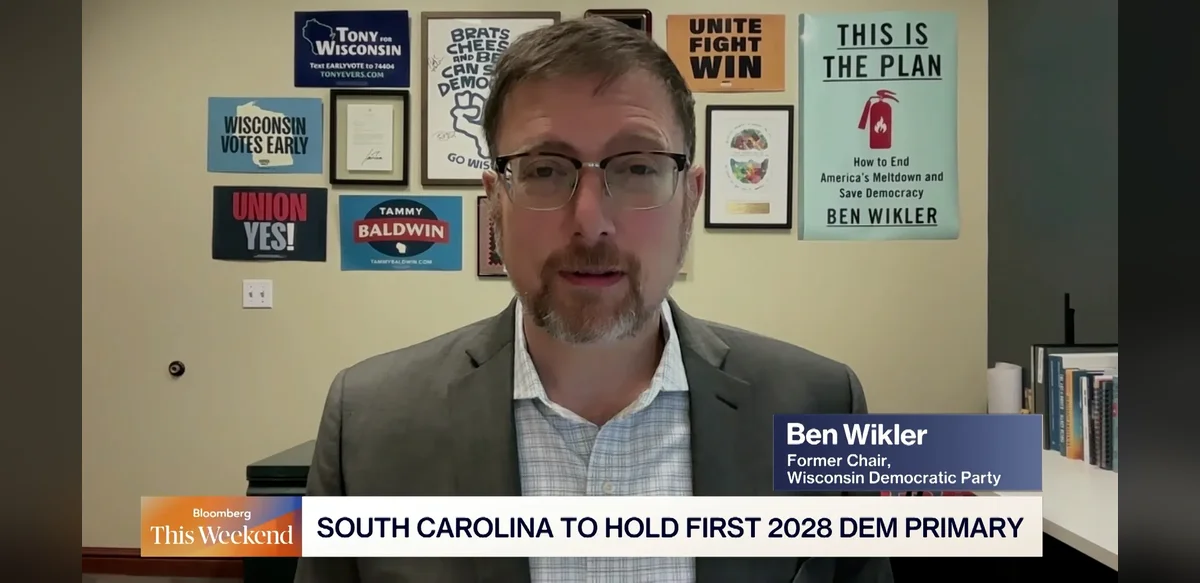
Former state party leadership described the results as indicative of a wider trend. Comments emphasized that voters appeared attentive to economic pressures and open to alternatives in governance. This perspective aligns with patterns seen in other states where similar concerns have influenced primary participation rates.
The narrow margin in the gubernatorial race underscored the intensity of the contest. Despite the close finish, the overall level of Democratic involvement stood out as stronger than in previous cycles. Such participation levels are being examined for what they might imply about general election dynamics later this year.
Statewide data showed that several counties reported increased ballot activity compared with recent primaries. This uptick occurred even as candidates focused their messages on practical matters like wages, housing expenses, and local services. The emphasis on these areas appears to have resonated with segments of the electorate seeking tangible improvements.
Political strategists are now assessing how the Wisconsin results might translate to other battleground areas. While each state presents unique circumstances, the combination of competitive primaries and elevated turnout offers one data point in a larger national picture. Midterm cycles often hinge on such localized indicators of voter sentiment.
Discussions around the primary also touched on the role of organized party efforts in mobilizing supporters. Coordinated outreach and messaging on economic themes contributed to the observed participation. These activities are viewed as part of standard preparations for the general election period.
Looking ahead, attention will turn to how the victorious primary candidate positions the campaign for the fall contest. The focus on affordability and change is expected to remain central. Observers will monitor whether similar themes gain traction in neighboring states or nationally.
Overall, the Wisconsin primary has provided an early window into voter priorities ahead of the midterms. The combination of a decisive yet narrow outcome and robust turnout offers material for ongoing analysis of electoral trends. As campaigns continue, further details on voter motivations and regional variations will likely emerge.


