

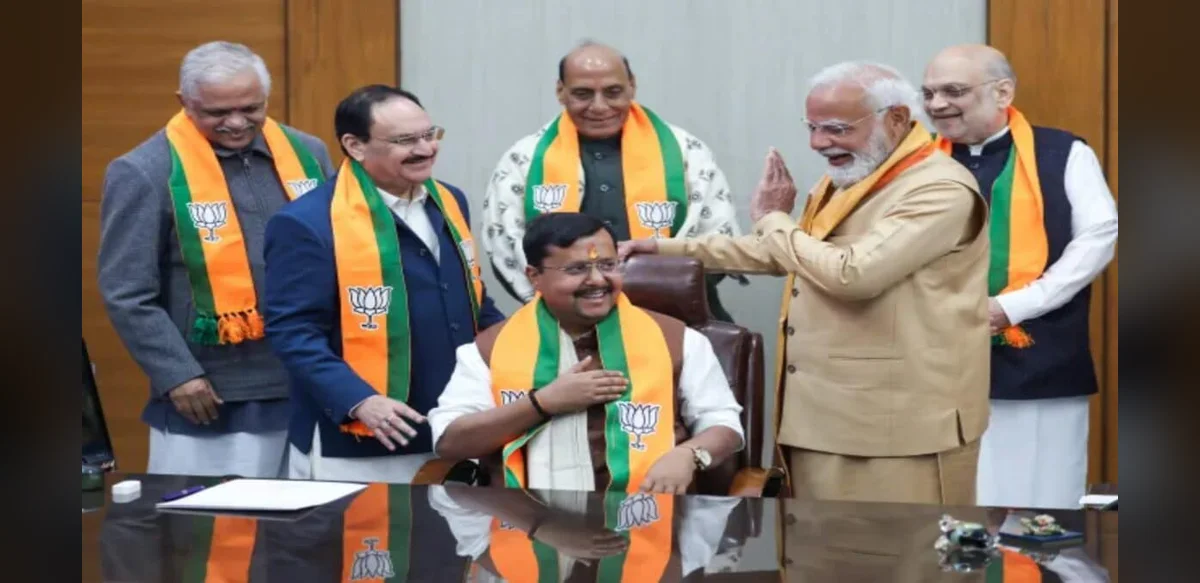
The Bharatiya Janata Party has seen a notable shift in its organisational structure with the emergence of a new team led by Nitin Nabin. This development marks a departure from the previous setup associated with JP Nadda and introduces several younger individuals along with fresh faces in key positions. The changes reflect an effort to bring renewed energy and broader representation within the party’s national framework.
Observers note that the incoming team places emphasis on youth and diversity. Multiple roles have been reassigned or newly created to accommodate these leaders. Such adjustments are viewed as part of ongoing efforts to strengthen the party’s internal operations and outreach mechanisms. The transition appears deliberate and structured, aiming to align the organisation with evolving political dynamics.
Under the earlier leadership period, the party maintained a particular set of office bearers and functional divisions. The current modifications suggest a move toward greater inclusion of varied backgrounds and age groups. This approach could facilitate improved coordination across different regions and demographic segments. Party insiders have described the process as methodical, with selections based on performance and potential contributions.
The introduction of new faces is expected to influence decision making processes at various levels. Younger leaders often bring different perspectives on communication strategies and grassroots engagement. These elements are considered essential for maintaining organisational relevance in a competitive political environment. The overall composition of the team indicates a focus on adaptability and forward looking planning.
Diversity within the new team extends to professional experiences and regional affiliations. This mix is intended to enhance the party’s ability to address a wide range of issues effectively. By incorporating individuals from varied walks of life, the structure seeks to mirror the broader society it aims to represent. Such representation can support more inclusive policy discussions and implementation strategies.
The shift from the previous era involves both continuity and change. While core ideological commitments remain consistent, operational methods are being updated. This balance allows the party to retain its foundational principles while responding to contemporary challenges. The leadership transition is presented as a natural progression rather than a complete overhaul.
Analysts suggest that these organisational adjustments may have implications for future electoral preparations. A team with younger members could streamline campaign coordination and volunteer management. Fresh roles assigned to emerging leaders provide opportunities for skill development and increased responsibility. This can contribute to long term stability within the party structure.
The emphasis on new faces also signals openness to internal talent. Individuals who have demonstrated commitment at state or local levels are being elevated. This merit based progression encourages active participation across the organisation. It fosters a sense of ownership among members who see pathways for advancement.
Overall, the developments within the Bharatiya Janata Party highlight a strategic focus on renewal. The combination of youth, diversity and redefined responsibilities aims to strengthen the party’s operational capacity. As the team settles into its roles, further details on specific assignments and priorities are anticipated. The process underscores the importance of adaptive leadership in sustaining political relevance over time.


