

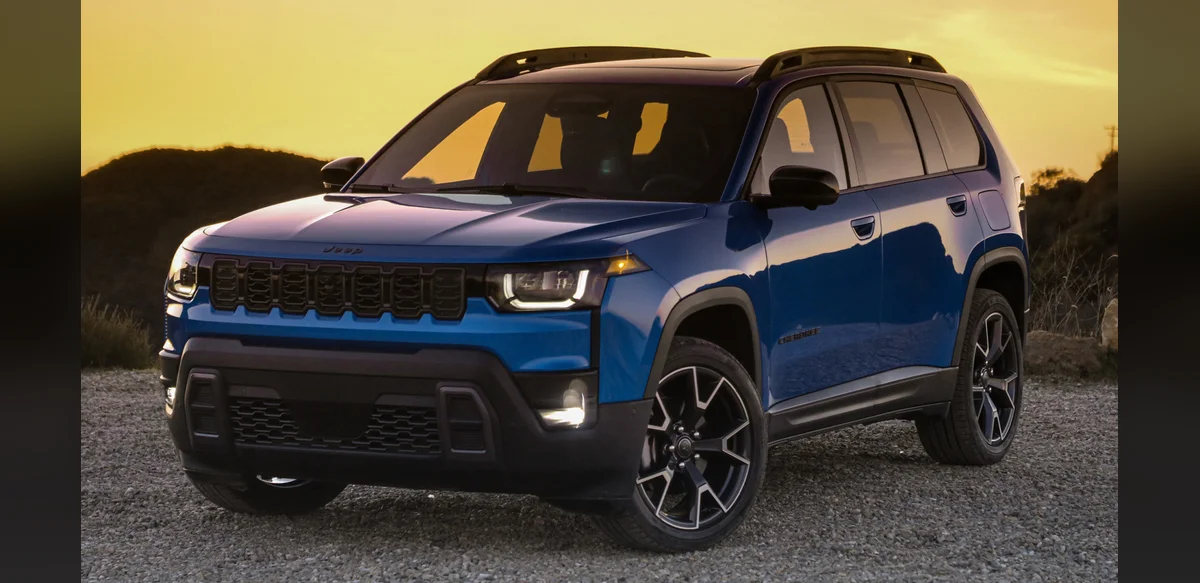
Industry observers have expressed surprise at the rapid development of a new version of the Jeep Cherokee following its most recent introduction. The vehicle maker appears to be advancing plans for an updated model sooner than many anticipated, prompting questions about the pace of product cycles in the competitive sport utility segment.
The Cherokee nameplate carries a long history within the brand lineup, having undergone multiple redesigns over the decades to meet evolving consumer preferences and regulatory standards. Each iteration has aimed to balance off-road capability with on-road comfort, a combination that has helped maintain its position in a crowded marketplace.
Recent launches typically involve extensive engineering updates, including revised powertrains, improved interior materials, and enhanced safety features. When a new generation arrives, it often incorporates feedback from prior models along with advancements in manufacturing techniques. The announcement of another version arriving so quickly has led some analysts to consider whether external factors such as shifting emissions requirements or competitive pressures are influencing the timeline.
Automakers frequently monitor rival offerings and adjust their strategies accordingly. In the case of mid-size sport utility vehicles, demand remains strong, yet buyers increasingly seek options that deliver better fuel efficiency or advanced driver assistance systems. A refreshed Cherokee could address these areas while preserving the distinctive styling and capability that define the model.
Production planning for new vehicles involves coordination across supply chains, design teams, and testing facilities. Accelerating such a program requires significant resources and careful management to ensure quality standards are upheld. Observers note that the brand has demonstrated flexibility in the past when responding to market signals.
Public reaction online has included expressions of curiosity mixed with skepticism about the necessity of another update so soon. Some enthusiasts appreciate the prospect of additional choices, while others wonder how substantial the changes will be compared with the current offering. Official details remain limited at this stage, leaving room for speculation about specific features or powertrain options.
Broader trends in the automotive sector show manufacturers shortening development cycles to incorporate new technologies more rapidly. Electric and hybrid systems, connectivity enhancements, and autonomous driving aids are becoming standard considerations. Whether the upcoming Cherokee emphasizes these elements or focuses on refinements to existing components will become clearer as more information emerges.
Dealership networks and fleet operators will likely watch developments closely, as inventory planning depends on accurate forecasts of model availability. A compressed timeline could affect ordering patterns and marketing campaigns in the near term. The brand continues to emphasize durability and versatility across its range, attributes that have contributed to customer loyalty over many years.
Regulatory environments in major markets also play a role in product timing. Updates to fuel economy targets or safety mandates can prompt earlier than expected revisions. Manufacturers must balance compliance with the desire to deliver appealing products that stand out from competitors.
As the situation develops, further announcements are expected to provide clarity on specifications, pricing, and availability. For now, the news underscores the dynamic nature of vehicle development, where plans can evolve quickly in response to internal goals and external conditions. The Cherokee remains an important part of the portfolio, and its continued evolution reflects ongoing efforts to meet diverse customer needs.


